
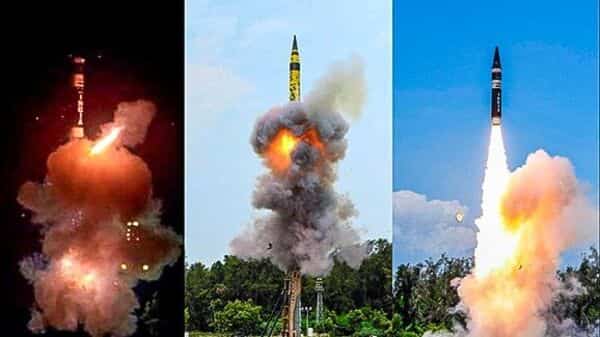
The world’s nuclear tensions are once again under the spotlight as a new report by the Stockholm International Peace Research Institute (SIPRI) reveals that nine nations collectively hold 12,241 nuclear weapons in 2025. Of these, an alarming 3,912 warheads are deployed on missiles and aircraft, while 2,100 are on high operational alert — ready for immediate launch within minutes.
Nine Nations, One Shared Threat
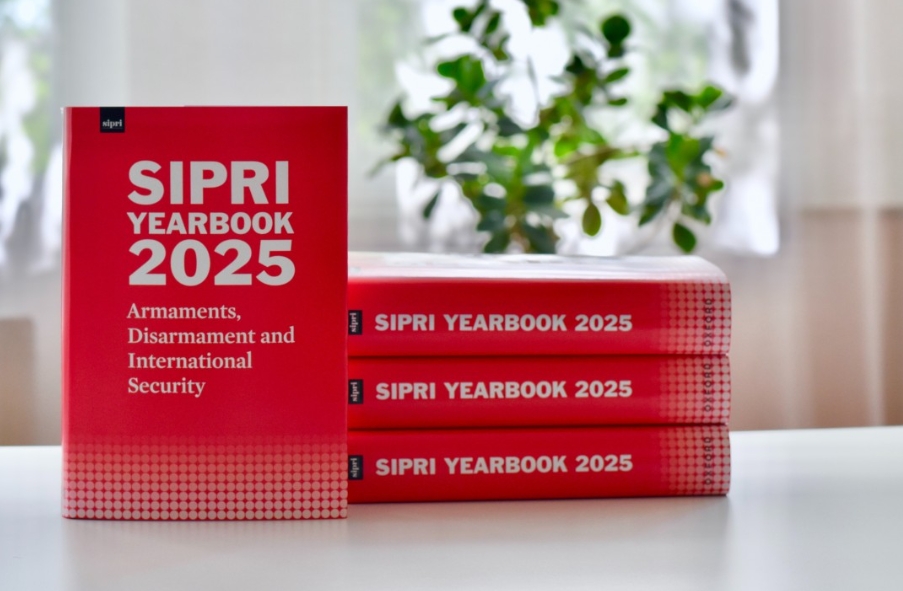
According to the SIPRI Yearbook 2025, nuclear capabilities remain concentrated among nine countries: the United States, Russia, China, France, the United Kingdom, India, Pakistan, Israel, and North Korea. Together, the U.S. and Russia still account for nearly 90 percent of the global nuclear stockpile, a legacy of decades of military competition.
Country Estimated Nuclear Weapons (2025)
Russia 5,459
United States 5,177
China 600
France 290
United Kingdom 225
India 180
Pakistan 170
Israel 90
North Korea 50
Race to Reinvent the Arsenal
The SIPRI report highlights that all nine nuclear-armed states are now modernizing their arsenals — replacing old systems, upgrading missile delivery platforms, and developing advanced nuclear technologies.
While the total number of nuclear weapons has slightly decreased due to the dismantling of retired warheads, new and more powerful weapons are being developed almost at the same rate, nullifying progress toward disarmament.
“Instead of reducing their reliance on nuclear weapons, nations are moving in the opposite direction — investing billions to make them faster, more accurate, and more destructive,” said Dan Smith, Director of SIPRI.
South Asia: A Growing Flashpoint
SIPRI’s findings are particularly concerning for South Asia, where India (180 warheads) and Pakistan (170 warheads) are expanding their missile ranges and modernizing command structures. The institute warns that this regional buildup could “seriously undermine strategic stability” and increase the risk of escalation in times of crisis.
A World Sliding Backward
Analysts say the world is entering a “new Cold War” era, where major powers are pursuing deterrence through modernization rather than diplomacy. SIPRI emphasizes that technological upgrades — including hypersonic delivery systems, AI-based targeting, and submarine-launched missiles — are making nuclear weapons even more lethal and unpredictable.
The Warning
SIPRI’s 2025 assessment concludes that the global nuclear order is at a crossroads. Despite public commitments to non-proliferation, modernization efforts are outpacing disarmament talks, raising fears of a destabilized world where nuclear deterrence may once again dominate global politics.
“The danger today is not just how many weapons exist — but how ready and advanced they’ve become,” SIPRI cautions.