
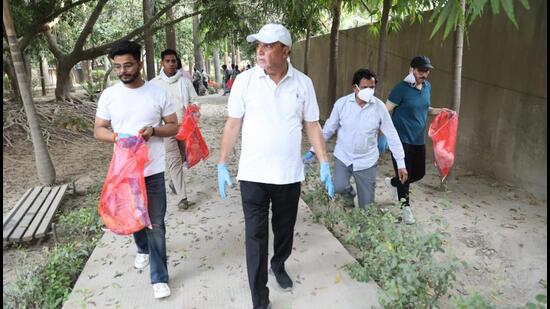
A major cleanliness drive in Greater Noida saw enthusiastic participation from residents and officials, who came together for a three-hour plogging exercise, collecting nearly 500 kg of waste.
Officials said the collected waste was segregated and sent for processing, marking a strong start to the campaign focused on improving urban cleanliness and waste management.
Focus on Infrastructure and Awareness
The initiative goes beyond a one-day activity, with authorities planning several long-term measures, including:
Installation of bottle collection units across the city
Expansion of Material Recovery Facilities (MRFs)
Deployment of e-rickshaws for public awareness campaigns
These steps aim to strengthen waste segregation systems and encourage responsible disposal habits among citizens.
“Consistency Is the Real Challenge”
Residents highlighted that while awareness exists, maintaining daily habits remains a challenge.
A resident from Beta II, AK Singh, said:
“People are aware, but consistency is the problem. Segregation doesn’t happen every day at home, and that’s where things need to change.”
Health of Sanitation Workers in Focus
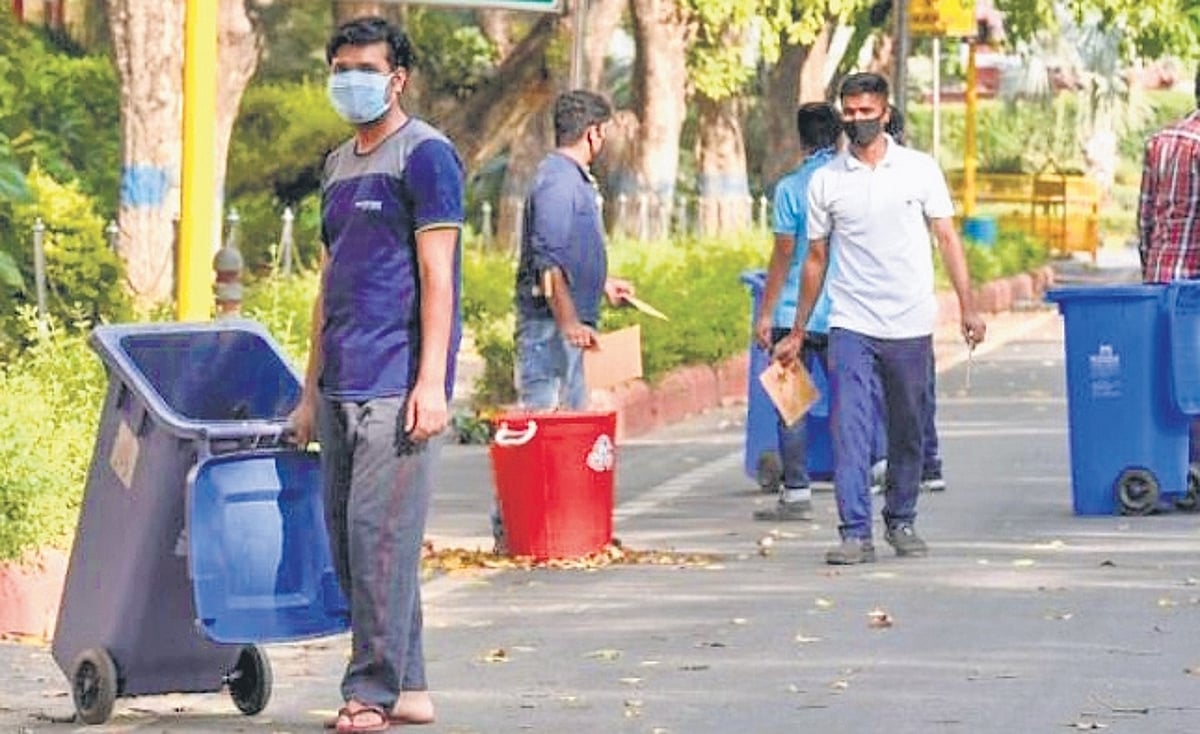
A key highlight of the campaign is the inclusion of health screenings for sanitation workers, recognising the risks they face due to constant exposure to waste.
Officials noted that sanitation staff are vulnerable to:
●Infections
●Occupational hazards
●Long-term health issues
Regular health check-ups have been made an essential part of the initiative.
Public Participation Key to Success
Emphasising community involvement, Gaurav Baghel said:
“Urban cleanliness cannot be sustained without public participation. It is not the responsibility of a single group. Citizen involvement is essential not only for cleanliness but also to reduce the health risks associated with improper waste handling.”
Growing Waste Challenge in the City
With a population of around 1.2 million, Greater Noida generates nearly 500 tonnes of solid waste daily, much of which ends up at the dumpsite in Lakhnawali village.
This highlights the urgent need for:
●Better waste segregation
●Reduced landfill dependency
●Sustainable waste management practices
CSR Support and Long-Term Vision
The campaign is being supported under corporate social responsibility (CSR) initiatives, with a broader goal to:
●Improve segregation rates
●Reduce pressure on landfills
●Promote long-term behavioural change among residents
Officials believe that consistent public participation will be key to making the city cleaner and healthier.