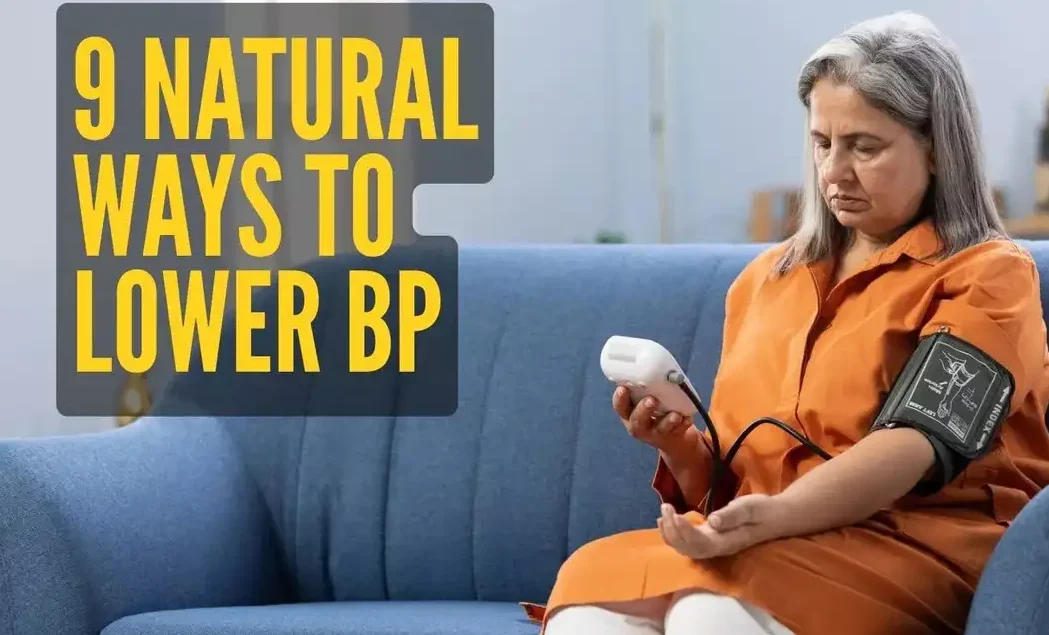
High blood pressure, or hypertension, is often called a silent killer. It usually shows no early signs, yet slowly damages the heart, kidneys and brain. Over time, it increases the risk of heart attack, stroke, and chronic kidney disease. Millions of Indians live with high BP without realizing it—until complications develop.
However, according to Dr. Evan Levine, a senior board-certified cardiologist with decades of experience, many people can reduce mild to moderate blood pressure without starting lifelong medication. He outlines a practical 9-step lifestyle formula that can naturally bring BP numbers down.
1. Reduce Salt Intake
Dr. Levine says cutting down salt is the most powerful and immediate change. Processed snacks, pickles, packaged meals, and restaurant foods are the biggest culprits. He recommends keeping daily sodium below 2,300 mg, and 1,500 mg for those already diagnosed.
2. Follow the DASH Diet
The DASH (Dietary Approaches to Stop Hypertension) plan focuses on fruits, vegetables, whole grains, nuts, lean proteins, and low-fat dairy. This diet has been shown to reduce BP by up to 11 mm Hg.
3. Increase Potassium & Magnesium
Foods like bananas, oranges, spinach, coconut water, nuts and seeds help relax blood vessels and counter salt.
4. Limit Alcohol
Excess alcohol spikes blood pressure. The advised limit: 2 drinks/week for men and 1 drink/week for women.
5. Exercise Regularly
Just 30 minutes of brisk walking daily can lower BP by 5–8 mm Hg, improve heart strength, and reduce stress.

6. Maintain Healthy Weight
Even losing 5–10% of body weight can significantly reduce BP load.
7. Quit Smoking
Smoking narrows blood vessels and accelerates heart damage. Quitting helps BP stabilize.
8. Improve Sleep Quality
Adults need 7–9 hours of restful sleep. Poor sleep keeps BP high.
9. Manage Stress Effectively
Yoga, meditation, deep breathing, spending time with nature, or talking to loved ones can calm the body’s stress response system.
Heart specialists agree: Small daily habits matter more than sudden big changes. These 9 steps are simple, affordable, and scientifically proven. For many people, they can delay—or even avoid—the need for lifelong medication.