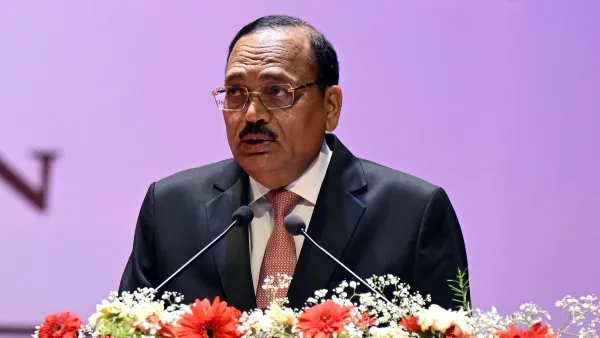
India is set to witness a major judicial milestone today as Justice Surya Kant prepares to take oath as the 53rd Chief Justice of India (CJI). The swearing-in ceremony will take place at Rashtrapati Bhavan, where President Droupadi Murmu will administer the oath, officially beginning his 14-month tenure at the top of the Indian judiciary.
Justice Surya Kant will succeed Justice BR Gavai, who demitted office on Sunday upon turning 65. His elevation follows the constitutional convention of appointing the senior-most Supreme Court judge as CJI.
A Judge Known for Impactful Judgments
Throughout his Supreme Court career, Justice Surya Kant has been part of several nationally significant matters, including:
●Article 370-related hearings
●Pegasus spyware case
●Bihar electoral roll revisions
He is widely respected for his balanced, reform-focused, and citizen-oriented judicial approach.
From Hisar to India’s Highest Judicial Office
Born: February 10, 1962, Haryana
Started Legal Practice: Hisar, 1984
Youngest Advocate General of Haryana: 2000
Judge, Punjab & Haryana High Court: 2004
Chief Justice, Himachal Pradesh High Court: 2018
Judge, Supreme Court: Since May 2019
Chairman, Supreme Court Legal Services Committee: Past 1 year
His journey from a small-town lawyer to the country’s top judge stands as a story of grit, merit, and unwavering integrity.
His Roadmap as Incoming CJI
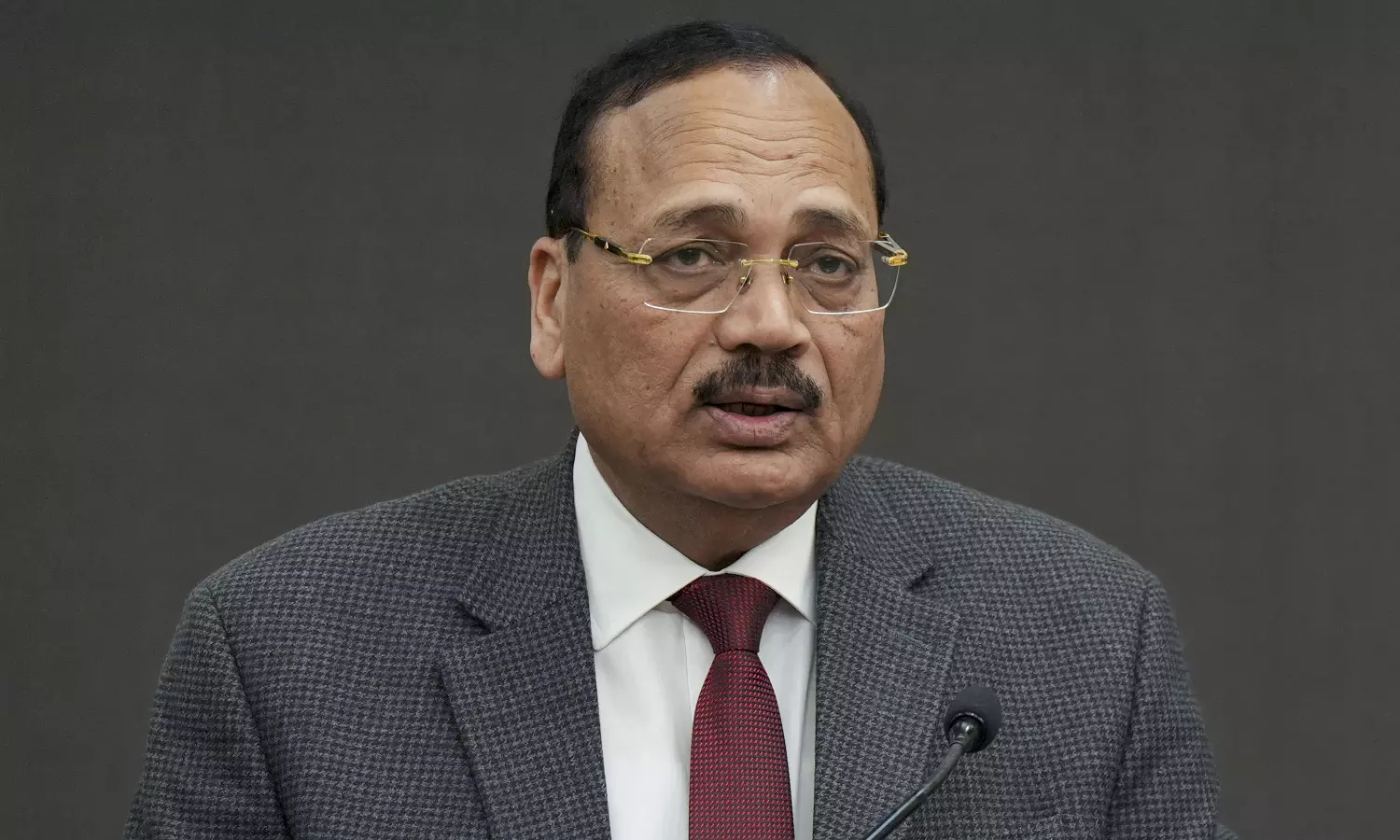
Justice Surya Kant has outlined a strong reform agenda:
●Fast-Tracking Pending Cases
Clearing India’s massive backlog—running into lakhs—will be his “top mission.”
●Fixing Ground-Level Challenges
He plans regular engagement with High Courts to identify systemic delays in lower courts.
●Setting Up Constitution Benches
Dedicated 5-, 7-, and 9-judge benches will be constituted for long-pending constitutional questions.
●Boosting Community Mediation
To reduce litigation pressure, especially in civil and Centre-state disputes.
Why This Tenure is Crucial
Justice Surya Kant steps in at a defining moment when:
●Court pendency is at a historic high
●Several landmark constitutional questions await decisions
●Judicial reforms and transparency are national priorities
His leadership over the next 14 months could reshape India’s justice delivery system, making it faster, efficient, and more accessible.