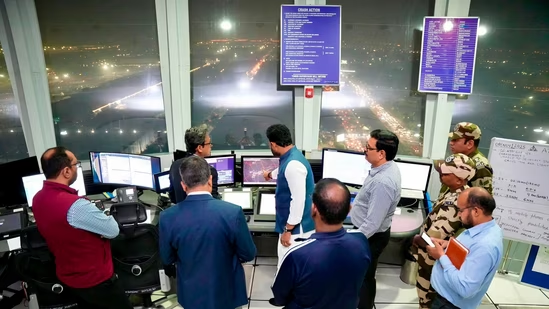
India’s aviation security is facing one of its most serious modern threats — GPS spoofing attacks targeting aircraft navigation systems. The Union Government has officially confirmed multiple cases of manipulated satellite signals, including one alarming incident near Delhi’s Indira Gandhi International Airport (IGIA), forcing a nationwide emergency response.
Civil Aviation Minister Kinjarapu Rammohan Naidu, speaking in Parliament, revealed that an aircraft experienced “spoofed GPS signals” during satellite-based landing procedures on Runway 10 at IGI Airport.
The good news? Flight operations remained safe due to traditional ground-based navigation systems that kicked in instantly.
The bad news? The threat is real, spreading, and growing more sophisticated—nationwide.
What Exactly Happened?
A commercial aircraft attempting a satellite-assisted landing suddenly picked up fake GPS signals, potentially diverting it from its correct path.
This form of cyberattack—known as GPS spoofing—injects false satellite data to mislead aircraft instruments.
Minister Naidu confirmed that:
● The incident was real
● The source is unknown
● This is not the only airport affected
Not Just Delhi — GPS Spoofing Detected Across India
Since late 2023, India has recorded GNSS interference from major airports:
Kolkata
Amritsar
Mumbai
Hyderabad
Bengaluru
Chennai
This makes it a systemic, nationwide threat, not an isolated glitch.
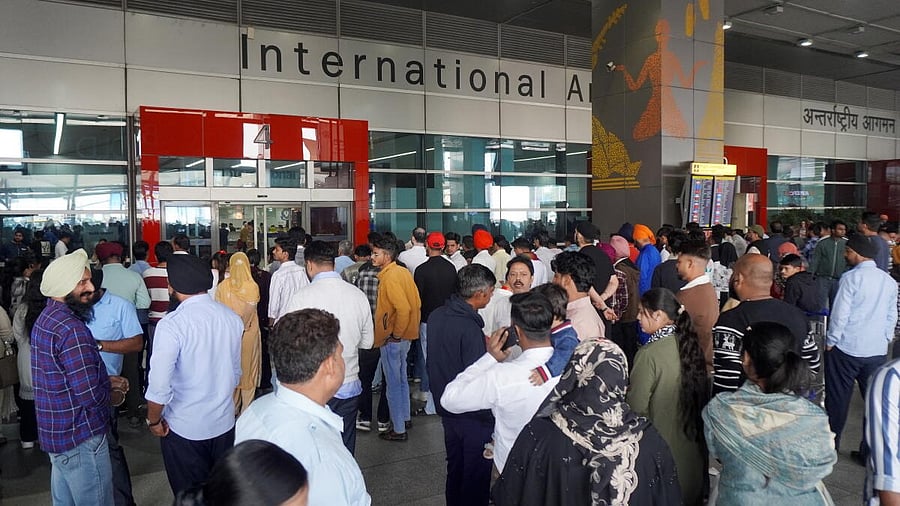
India Activates Multi-Agency Defence System
The aviation ministry, DGCA, AAI, and Wireless Monitoring Organisation have launched a full-scale technical hunt to trace, triangulate, and eliminate the spoofing sources.
Key Actions Taken:
1- New GPS Spoofing SOP (November 10, 2025)
DGCA has issued a first-of-its-kind real-time reporting system to detect GNSS interference around airports.
2- WMO On Ground
The Wireless Monitoring Organisation has deployed advanced signal-tracking teams to:
●Identify rogue transmitters
●Analyse interference patterns
●Provide real-time intelligence
3- MON Backup Activated
India is operating on a Minimum Operating Network ― a safety layer of ground-based navigation systems designed to work even when satellites fail.
This ensures planes can still navigate safely even if GPS is compromised.
Cybersecurity Threat Growing Worldwide
Minister Naidu also highlighted that airports globally are now prime cyber targets:
●Ransomware
●Malware
●Signal interference
●Network intrusion attempts
The AAI is rolling out:
● Advanced firewalls
● AI-based threat detection
● CERT-In and NCIIPC level cyber protocols
India Joins Global Frontline in Satellite Security
India is actively working with:
●ICAO
●International aviation cybersecurity groups
●GNSS interference monitoring networks
to develop modern defence systems against spoofing—an attack technique now used across conflict regions and high-risk zones.

Why It Matters
GPS spoofing is silent, invisible, and extremely dangerous.
Just one manipulated signal can:
◆ Mislead pilots during landing
◆ Distort aircraft position
◆ Trigger false cockpit alarms
◆ Compromise flight paths
India’s quick response, strong backups, and advanced monitoring systems have so far prevented disaster — but the threat remains active.
India’s Message: “Our Skies Will Remain Safe”
With multilayered cyber defences, global collaboration, and rapid monitoring upgrades, India is aggressively fortifying its aviation network.
The message from the Civil Aviation Ministry is clear:
“We will stay ahead of GPS spoofing—and ensure every aircraft in Indian skies remains safe.”