In what is being hailed as one of the biggest cultural decisions of the decade, the Uttar Pradesh Cabinet has officially approved Tata Sons to develop and operate a world-class, 52-acre Ram Mandir Museum in Ayodhya. The landmark project is set to elevate Ayodhya’s global spiritual stature by creating one of India’s largest cultural institutions—built with immersive technology, heritage research, and modern architecture.
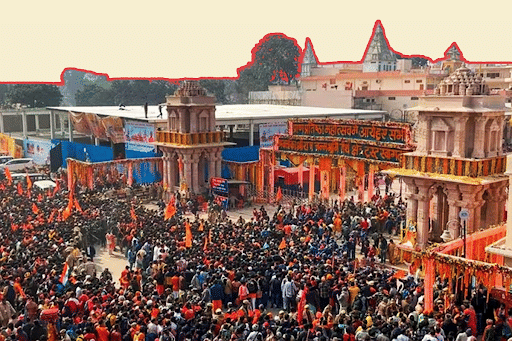
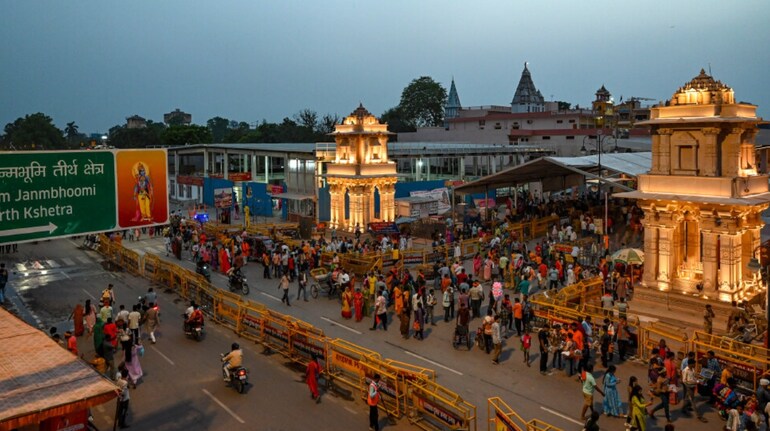
This transformative decision comes as Ayodhya continues to witness record footfall following the Pran Pratishtha ceremony, drawing nearly 2–4 lakh pilgrims daily.
From 25 Acres to 52 Acres: A Grand Expansion
The project was originally planned on 25 acres in Manjha Jamthara, but Tata Sons’ expansive vision required a much larger footprint. The Cabinet has now approved an additional 27.102 acres, bringing the total area to 52 acres—enough to build a cultural ecosystem matching global standards.
This expansion follows a tripartite MoU signed in 2034 by the Union Government, UP Government, and Tata Sons.
Tata Sons to Build & Operate the Museum Under Section 8 SPV
Parliamentary Affairs Minister Suresh Kumar Khanna announced that Tata Sons will:
●Construct the museum
●Operate it under a not-for-profit SPV (Section 8 Company)
●Work alongside representatives of the Centre and UP Government
This structure ensures transparency, long-term governance, and world-class execution. Tata Sons’ CSR expertise in design, technology, and cultural infrastructure strengthens the project’s promise.
What the Ram Mandir Museum Will Feature
Planned as one of India’s most advanced cultural institutions, the museum will showcase Ayodhya’s civilizational, spiritual, and architectural legacy through:
Curated Galleries
●Mandir architecture & temple-building traditions
●Archaeological discoveries from Ayodhya
●Ram Katha traditions and textual histories
●Evolution of Ayodhya as the spiritual heart of India
Immersive Digital Experiences
●Multimedia theatres
●Augmented and virtual-reality installations
●Interactive storytelling spaces
Cultural Infrastructure
●Sculpture gardens
●Thematic pavilions
●Open-air cultural performance zones
●Research & documentation centers
●Landscaped walkways and serene visitor areas
The complex is designed to become the cultural companion to the Ram Mandir, ensuring that visitors spend more time exploring Ayodhya’s rich heritage.
Boost to Tourism & City Infrastructure
With Ayodhya witnessing unprecedented tourist numbers, the new museum will:
1. Disperse crowd pressure around the temple
2. Extend pilgrim engagement beyond the Mandir complex
3. Support tourism infrastructure like hotels, roads, and public services
4. Strengthen Ayodhya’s status as a world heritage-ready destination
The museum aligns with the state’s broader upgrades—airport expansion, road redevelopment, riverfront beautification, and hospitality growth.
Other Key Cabinet Decisions
Alongside the museum approval, the UP Cabinet also cleared:
●Major water supply upgrades in Bareilly and Kanpur
●New policies offering leave and support to athletes representing India globally
●Establishment of Disability Rehabilitation Centres in every administrative division
These decisions highlight the state’s balanced approach—advancing both cultural development and social welfare.
A New Era for Ayodhya and India’s Cultural Renaissance
With the Tata-led Ram Mandir Museum now entering the implementation phase, Ayodhya is poised to become one of the world’s most significant spiritual and cultural destinations. Once completed, the museum will preserve, narrate, and celebrate Ayodhya’s layered heritage for generations to come.
This is not just a museum—it is a milestone in India’s cultural renaissance and a defining chapter in Ayodhya’s modern history.