In an era where smartphones blur the line between office and home, India is finally confronting a question millions of workers silently struggle with — Do employees deserve the legal right to switch off?
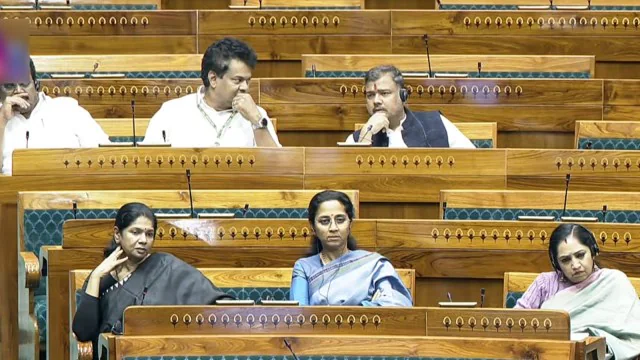
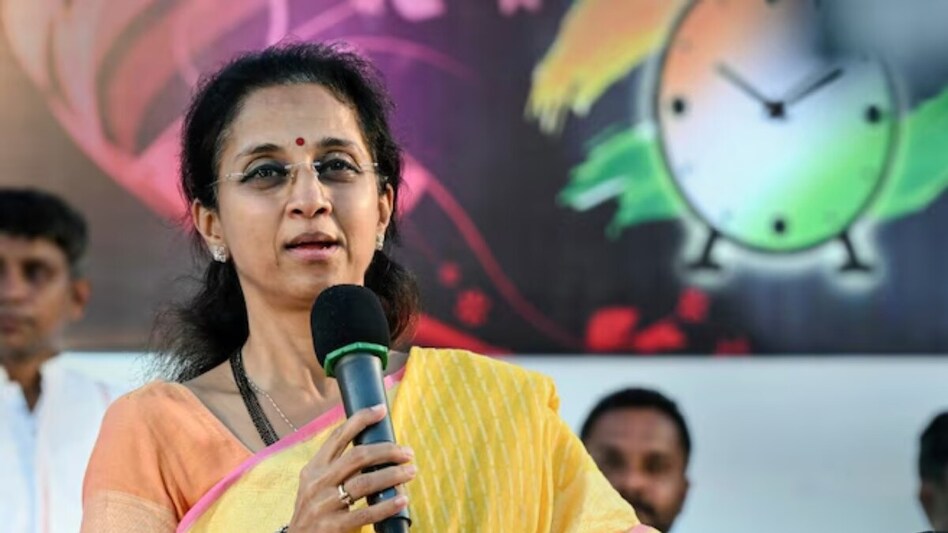
On Friday, NCP (Sharad Pawar) MP Supriya Sule reintroduced the ‘Right to Disconnect Bill, 2025’ in the Lok Sabha, pushing for a historic law that would protect workers from being forced to answer calls, emails, or messages after office hours.
If passed, India could join the ranks of France, Portugal, and the Philippines — and become the first Asian nation to recognise ‘the right to rest’ in the digital age.
“Technology made work easier… and also endless.”
Taking the floor, Sule delivered a powerful message:
“We must free employees from the silent compulsion of being available 24×7.”
Her argument resonates deeply in today’s work culture. With hybrid and remote setups post-Covid, the office has quietly moved into people’s homes — and even their bedrooms.
A recent survey shows 68% of Indian employees regularly respond to work messages long after logging out, often to avoid displeasing managers.
Mental health experts link this culture to burnout, anxiety, insomnia, and family stress.
What the Bill Proposes
At its core, the Bill seeks to:
●Give workers the legal right to ignore work communication after working hours
●Prevent employers from penalising employees for not responding
●Establish clear boundaries between personal time and professional duty
●Promote healthier work habits in India’s booming digital economy
Sule’s argument is simple yet profound:
“India still measures dedication in hours worked — not in well-being or productivity.”
Why the Bill Matters Now
Covid-19 didn’t just reshape workplaces — it erased boundaries.
Workers across IT, finance, hospitality, and services have reported being “always on call,” even during dinner, family time, or vacations.
A corporate psychologist noted:
“Human brains need downtime. The right to disconnect is not a luxury — it is essential for mental recovery.”
Countries like France already require employers to define after-hours communication rules. Portugal even bans bosses from contacting employees outside work hours.
If India follows suit, the impact could be massive — reducing attrition, improving morale, and giving dignity back to personal time.
Corporate India Reacts: Cautious Optimism
The Bill has divided opinions in boardrooms.
Some HR experts call it a revolutionary step toward employee welfare, while others question its practicality in global sectors operating across time zones.
A senior IT executive said:
“Total disconnection may be unrealistic, but respecting personal time must become policy.”
Industries plagued by long work hours — IT, BPO, consulting, banking — are watching closely.
Political Momentum Building
Despite being a Private Member’s Bill, the proposal has sparked rare bipartisan interest.
Government officials from the Labour Ministry confirm they are studying global models and exploring similar reforms.
Analysts believe even if the Bill doesn’t pass right away, it could lay the foundation for future digital labour laws in India.
“Humans Are Not Machines” — Sule’s Final Word
Closing her speech, Supriya Sule said:
“Every employee deserves time for family, rest, and self. Work is important, but humans are not machines.”
Her words echo a rising sentiment across the country — that in the race for productivity, India must not sacrifice the well-being of its people.
Because a nation’s workforce needs not just the right to work, but the right to switch off.