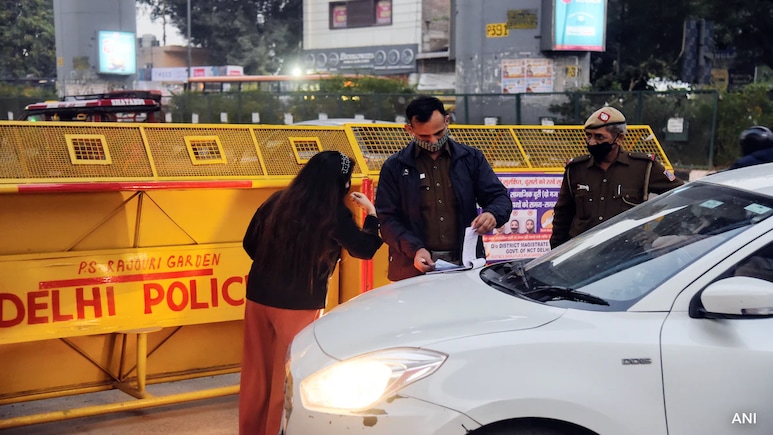
Delhi’s long-awaited traffic challan amnesty scheme, expected to bring major relief to lakhs of motorists, has been pushed into uncertainty after the Delhi government flagged serious legal hurdles. The proposal, which aimed to waive or reduce old pending traffic fines, has now been sent back for detailed legal scrutiny, delaying its rollout.
Extended Cabinet Meeting Sends Proposal Back for Vetting
Sources said the proposal faced multiple questions of legal validity during a prolonged cabinet discussion. Ministers were informed that several challans are currently involved in ongoing court cases, making it legally impossible to waive them without explicit judicial approval.
To avoid any violation of court orders, the cabinet has directed the Law Department to review the matter thoroughly and prepare a revised and legally sound draft.
A senior official said the government still wants to “provide genuine relief to citizens” but must ensure the scheme withstands legal challenges.
Old Violations, Sub Judice Cases at the Heart of the Problem
The original plan drafted by the Transport Department in October proposed waiving penalties for older or minor traffic violations. But officials clarified that:
●Challans under judicial review cannot be waived,
●Blanket amnesty may not hold up in court, and
●Administrative penalties must comply with existing legal frameworks.
The Law Department has now been tasked with exploring selective relief options — such as waiving only those fines not involved in litigation.
Delhi Sitting on a Mountain of Unpaid Challans
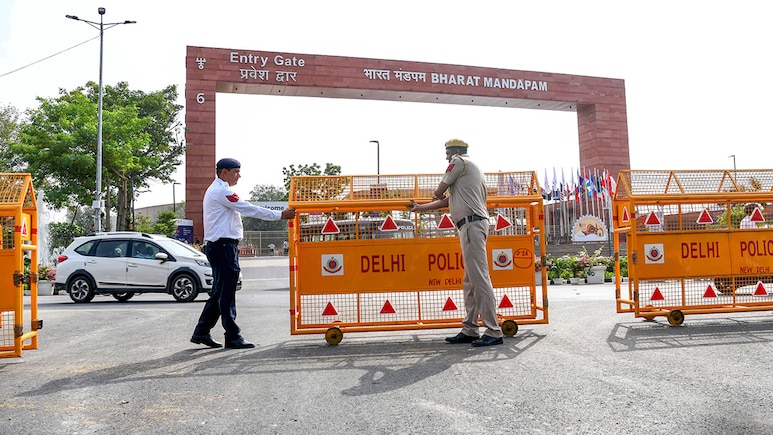
Delhi currently has over 2.46 crore unpaid traffic challans, some pending for years. Between January 1 and July 31, 2025:
22.4 lakh challans were issued
Only 2% were paid
The amnesty scheme was intended to clear this massive backlog and allow motorists to regularise past violations with minimal penalty.
What Happens Next?
The revised proposal will be drafted after coordinated consultations between the Transport, Law, and Home Departments. Officials say the upcoming plan must strike a balance between:
● Legal compliance
● Relief for citizens
● Administrative feasibility
If cleared, the scheme could finally offer long-awaited respite to lakhs of vehicle owners across the national capital.