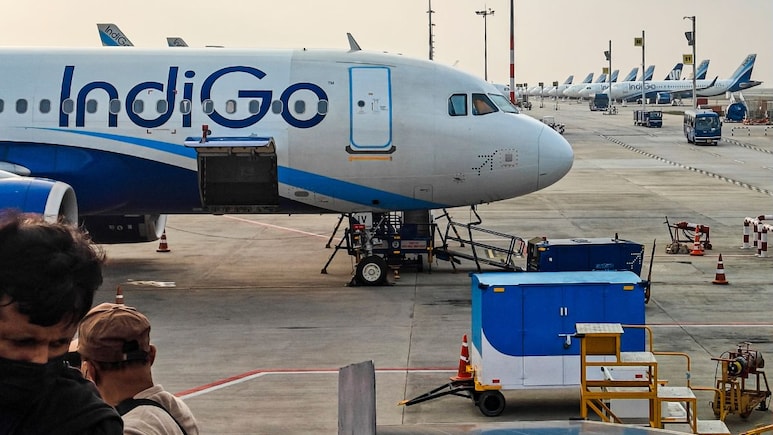
India’s aviation sector is witnessing one of its worst operational meltdowns in recent years, with IndiGo — the country’s largest airline — cancelling over 4,500 flights within a week. Stranded passengers across major airports have drawn comparisons with Europe’s infamous Ryanair crisis of 2017, which triggered sweeping reforms in airline accountability.
As frustration grows, aviation experts say the incident has exposed the glaring gaps in India’s passenger protection laws, especially when stacked against Europe’s stringent Regulation EC 261/2004.
Ryanair Paid Rs 188 Crore Compensation After 2,000 Flight Cancellations
The Ryanair case — now resurfacing amid the IndiGo chaos — remains one of Europe’s most defining aviation moments.
In 2017, Ryanair abruptly cancelled 2,000 flights due to pilot rostering failures.
●Nearly 400,000 passengers were affected.
●Under EU’s air passenger rights law, the airline paid €25 million (₹188 crore) in mandatory compensation.
●The crisis dented its reputation, forcing regulators to tighten oversight and enforce stricter transparency rules.
This incident has become the benchmark for discussions on airline accountability worldwide — including today in India.
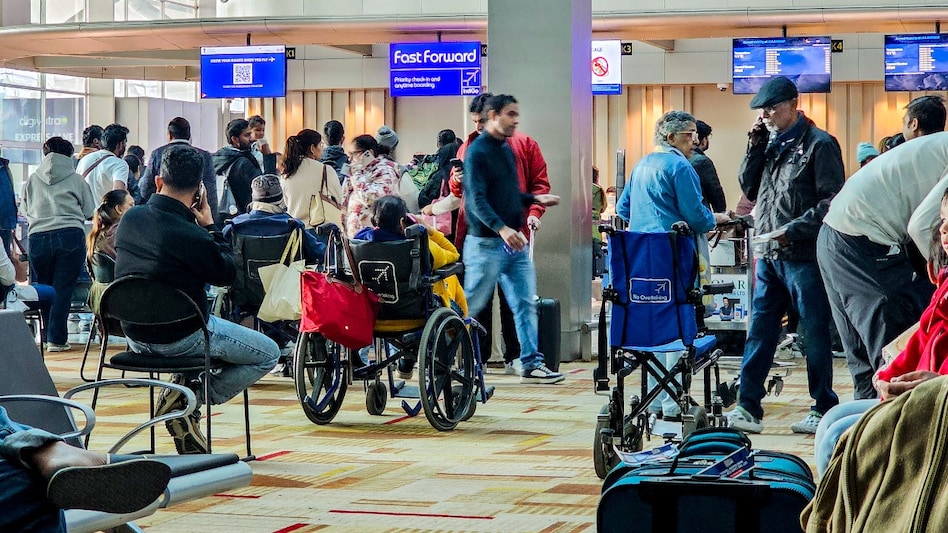
Similar Roots: Pilot Shortages, Crew Scheduling Failures
While Ryanair’s 2017 collapse stemmed from mismanaged pilot leave and scheduling disputes, IndiGo’s crisis too has emerged from:
●Crew shortages
●Confusion over new safety norms
●Operational fatigue and rostering issues
With IndiGo controlling 63% of India’s aviation market, the ripple effects have been massive.
The Civil Aviation Ministry has issued a show-cause notice demanding how India’s largest carrier allowed such an unprecedented breakdown. The response deadline ended on Monday evening.
What Makes Europe Different? Regulation EC 261/2004
Europe’s strong aviation framework is widely seen as the gold standard for passenger rights.
Under EU Regulation 261/2004, travellers are entitled to:
● €250 to €600 compensation for cancellations and long delays
● Meals, refreshments, and hotel stays
● Alternate flight arrangements at no additional cost
● Strict enforcement and penalties on airlines
The regulation, active since 2005, has built high accountability and reliable consumer protection across European skies.
Growing Demand for EU-Style Passenger Protection in India
India’s DGCA currently mandates only:
●Full refunds
Free rescheduling
…with no mandatory compensation for mass disruptions caused by airline mismanagement.
Experts now argue that:
●India’s aviation market is too large to operate without a structured compensation law
●Stronger rules would improve fairness, reduce arbitrariness, and push airlines to maintain higher service standards
●Passenger trust will erode without serious reforms
Consumer bodies, aviation analysts, and even legal experts are urging the government to model India’s laws on EU261, ensuring airlines are held accountable for operational failures.