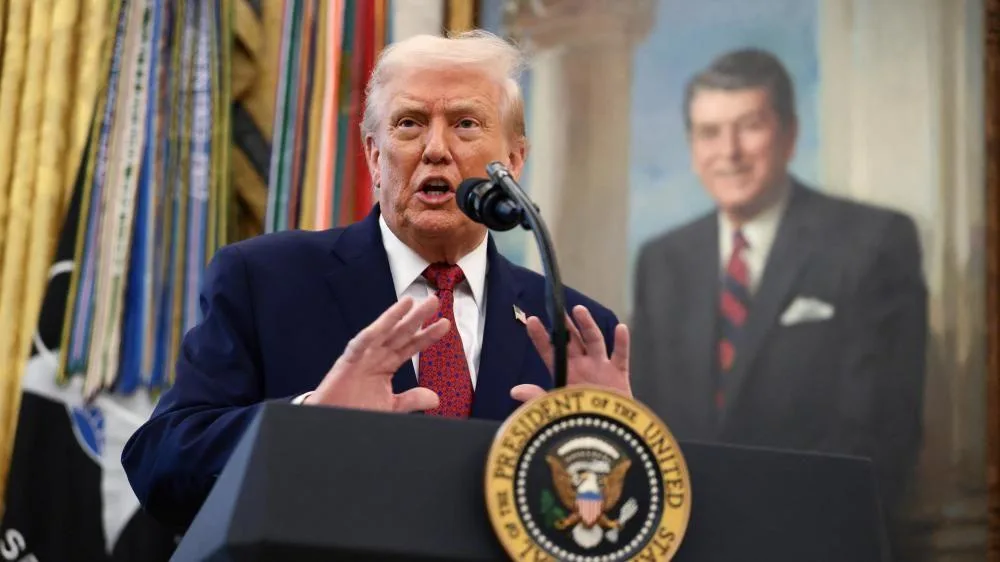
In a major tightening of America’s immigration policy, the Trump administration has announced a significant expansion of the US travel ban, barring nationals from five additional countries and suspending entry for travellers holding Palestinian Authority–issued or endorsed documents. The new restrictions are set to take effect from January 1, the White House confirmed.
The latest executive action places Burkina Faso, Mali, Niger, South Sudan, and Syria under full entry suspension, effectively prohibiting their citizens from travelling to the United States. In a further escalation, Laos and Sierra Leone, previously under partial restrictions, have now been shifted to the full ban list.
With this move, the number of countries facing complete entry suspension has grown substantially. The list already includes Afghanistan, Iran, Somalia, Yemen, Libya, Sudan, Haiti, and Eritrea, among others. Additionally, individuals travelling on Palestinian Authority–issued or endorsed travel documents will now face a total ban on entry into the US.
Alongside the full bans, the administration has imposed partial travel restrictions on 15 countries, including Nigeria, Tanzania, Zimbabwe, Cuba, Venezuela, Zambia, Senegal, Angola, and Côte d’Ivoire. For these nations, certain visa categories have been restricted, while enhanced screening and vetting measures will apply.
A special exception has been outlined for Turkmenistan, where immigrant visa restrictions will remain in place, but non-immigrant visas will continue to be issued.
Security Concerns Cited
Defending the decision, President Donald Trump said the expansion was necessary to “protect the national security of the United States.” Senior officials cited deficiencies in identity verification systems, unreliable civil records, high visa overstay rates, corruption, terrorist activity, and poor cooperation in accepting deported nationals as key concerns.
The White House also referenced a recent Thanksgiving weekend incident involving an Afghan national accused of shooting two National Guard troops, describing it as an example of gaps in overseas vetting procedures.
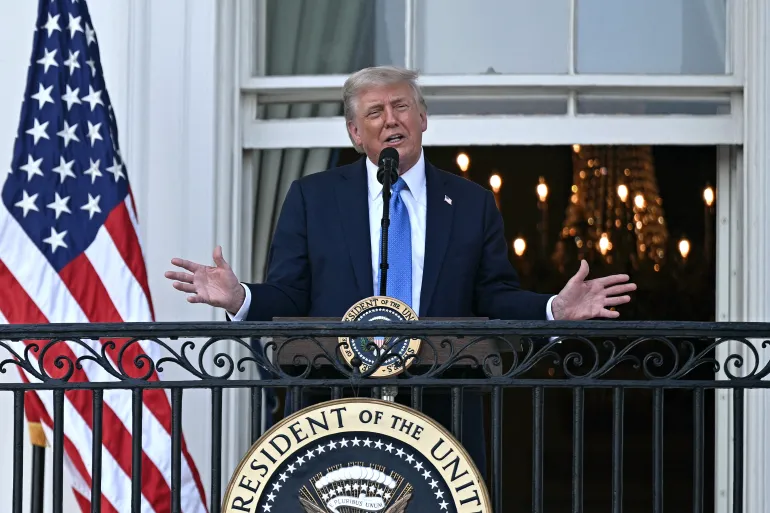
Third Major Travel Ban Under Trump
This marks the third major iteration of the travel ban under President Trump. A similar policy introduced in 2017 sparked widespread protests and legal challenges but was eventually upheld by the US Supreme Court after revisions.
The administration clarified that the restrictions will remain until affected countries demonstrate credible improvements in identity management, information-sharing, and cooperation with US immigration authorities.
Exemptions and Waivers
The ban does not apply to lawful permanent residents (green card holders), diplomats, many existing visa holders, or athletes participating in major international sporting events. Officials also said waivers may be granted on a case-by-case basis for humanitarian, strategic, or national interest reasons.
Global Reaction Expected
The expanded travel ban is expected to reignite global debate, with human rights groups likely to criticise it as discriminatory. Supporters of the administration, however, argue that the move reinforces border security and reflects Trump’s hardline stance on immigration as a cornerstone of his second-term agenda.