
As millions of Indians prepare to welcome New Year 2026 with celebrations, travel plans and digital greetings, cyber criminals are quietly preparing for what experts describe as their most profitable season of the year.
Cyber fraud cases spike sharply during the festive period, and this year is no exception. Renowned cyber crime expert and former IPS officer Prof. Triveni Singh has issued a strong warning, cautioning people against clicking on New Year greetings, e-cards and surprise links circulating on social media and messaging platforms.
“A single careless click is enough to hand over complete control of your smartphone to cyber criminals,” Prof. Singh warned.
How New Year Greetings Are Turning Into Cyber Traps
According to Prof. Triveni Singh, cyber criminals exploit the surge of digital messages during New Year celebrations. Platforms like WhatsApp, Facebook, Instagram, Telegram and email get flooded with greetings, making it easy for fraudulent messages to blend in unnoticed.
Common bait messages include:
◆“Happy New Year 2026 – Special Gift for You”
◆“Click to Open Your Digital Greeting Card”
◆“New Year Surprise Waiting”
“These messages look harmless and festive, but the links or attachments often contain malware,” he explained.
Once clicked, malicious software installs silently in the background, giving criminals access to personal data, banking apps and OTPs.
APK Files: The Most Dangerous Digital Weapon
Prof. Singh identified APK files as the most lethal tool used in New Year cyber fraud.
“APK files allow criminals to see your screen, read messages, capture OTPs and control your phone remotely,” he said.
“The phone stays in your hand, but the control moves to the criminal.”
This is why many victims cannot understand how money vanished from their accounts without any obvious action.
Fake Friendships, Real Losses
Cyber fraud is no longer just link-based—it is increasingly relationship-driven.
Prof. Singh revealed that criminals now build trust first:
●Fake profiles are created on social media
●Conversations are continued for days or weeks
●Trust is established
●The malicious link is sent on a special occasion like New Year
“When a message comes from someone you think you know, your guard drops—and that’s exactly what criminals want,” he explained.
Festive Excitement: Cyber Criminals’ Biggest Advantage
“Festivals and celebrations create emotional excitement, and that weakens digital caution,” Prof. Singh said.
“This emotional moment is the biggest weapon in a cyber criminal’s hands.”
He issued a clear reminder:
No bank, government department or genuine company will ever ask you to click a link, download an app or share an OTP. If a message asks you to do so—it is a scam.
Essential Cyber Safety Rules for New Year 2026
Prof. Triveni Singh urged people to follow these safety measures strictly:
●Never click on links or APK files from unknown numbers
●Do not download apps sent via WhatsApp or social media
●Avoid digital gifts, prize links or surprise offers
●Strengthen privacy settings on social media
●Never share OTPs, PINs, CVVs or banking details
●Verify bank-related messages through official channels only
“One moment of caution can protect a lifetime of savings,” he stressed.
What to Do If You Suspect Fraud
Speed is critical in cyber fraud cases. Prof. Singh advised immediate action:
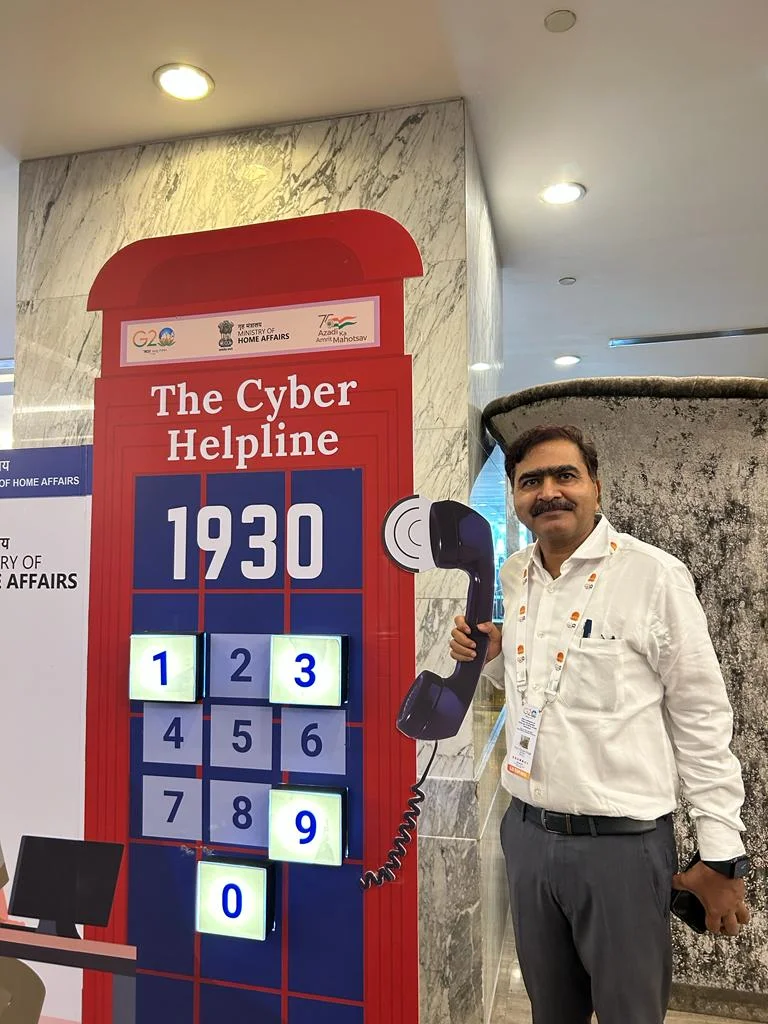
Call 1930 Cyber Helpline without delay
File a complaint on the National Cyber Crime Reporting Portal
Inform your bank immediately
“The first 24 hours decide whether money can be blocked or recovered,” he said.
Awareness Is the Best Cyber Defence
As cyber criminals grow smarter, awareness remains the strongest shield.
“You don’t need technical knowledge to stay safe—just skepticism,” Prof. Triveni Singh concluded.
As New Year celebrations begin, greetings should bring joy—not financial distress.
Accept wishes, but think before you click.