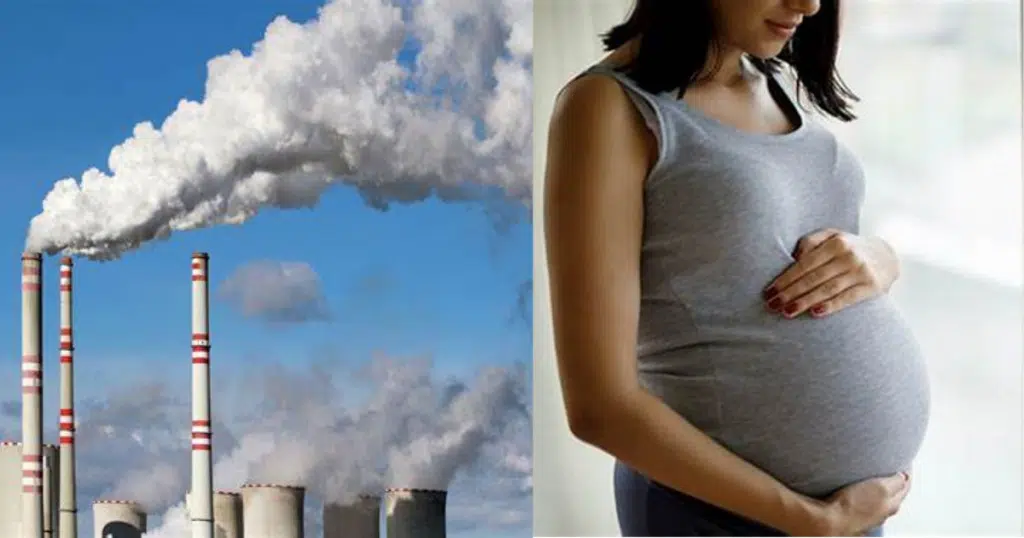
Air pollution has emerged as a silent but severe public health crisis, with its most devastating impact falling on pregnant women, newborns, and couples planning a family. From life-threatening pregnancy complications to long-term developmental risks for infants, polluted air is now being linked to alarming maternal and neonatal outcomes, experts warn.
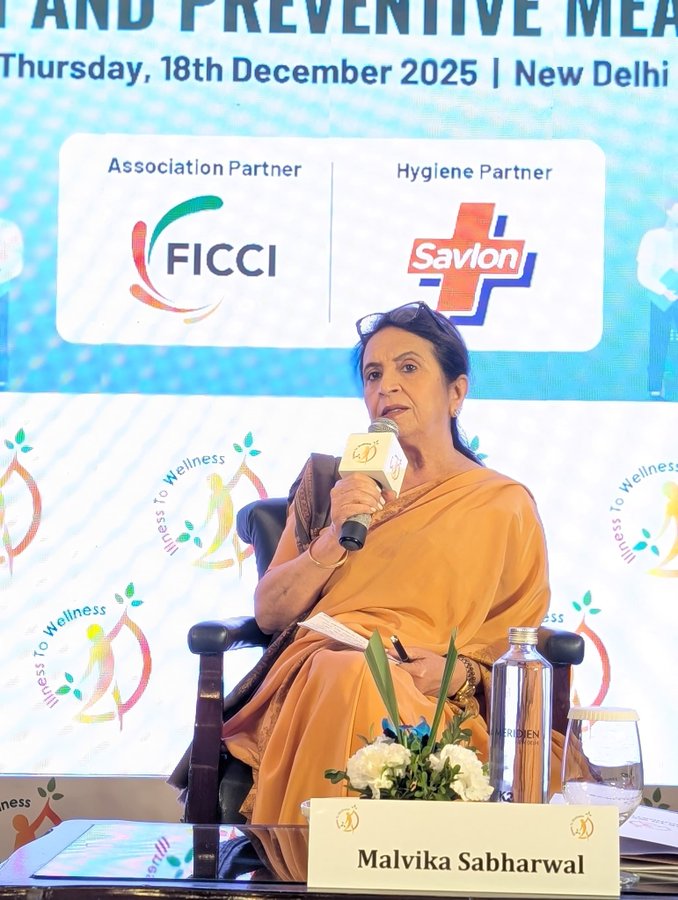
Speaking at the Conference on the Impact of Air Pollution on Health and Preventive Measures, Padma Shri awardee Dr. Malvika Sabharwal, Chief Gynaecologist and Obstetrician at Jeewan Mala Hospital, highlighted how prolonged exposure to polluted air can push pregnancies into high-risk territory. The event was organised by the Illness to Wellness Foundation in collaboration with FICCI.
Rising Pregnancy Complications in Polluted Environments
According to Dr. Sabharwal, pregnant women exposed to high pollution levels face a significantly increased risk of hypertension, pre-eclampsia, and placental abruption—conditions that can escalate rapidly into medical emergencies.
“Pre-eclampsia restricts blood flow to the baby, damages maternal organs, and in many cases forces early delivery to save lives,” she explained. Placental abruption, another pollution-linked complication, can cause sudden and severe bleeding, often leading to pregnancy loss.
The danger does not end after childbirth. Research increasingly shows that mothers in polluted regions are more vulnerable to postpartum depression and long-term cardiovascular stress, adding to the hidden burden of air pollution on women’s health.
Threat to Fetal Growth and Child Development
The developing fetus is particularly vulnerable. Polluted air interferes with oxygen delivery, impairing brain development, lung maturation, and overall growth. This significantly raises the risk of preterm birth, low birth weight, and long-lasting developmental and respiratory disorders.
“Children exposed in the womb often carry these health challenges well beyond infancy,” Dr. Sabharwal noted, underscoring the lifelong consequences of poor air quality.
Air Pollution Also Hits Fertility Rates
Beyond pregnancy, air pollution is quietly eroding reproductive health. Dr. Sabharwal pointed out that couples living in highly polluted areas often experience delayed conception. Even fertility treatments are affected.
“Assisted reproductive technologies like IVF show reduced success rates in polluted environments,” she said. “The time to achieve pregnancy increases, making the journey emotionally and medically more difficult for couples.”
What Can Be Done: Prevention and Protection
While systemic action to reduce emissions remains crucial, Dr. Sabharwal emphasised immediate steps individuals can take—especially women planning to conceive or already pregnant.
She strongly advised regular monitoring of the Air Quality Index (AQI) before outdoor activities and limiting exposure during high-pollution periods. Importantly, she highlighted the role of air purifiers in protecting indoor environments.
“When used correctly—with high-quality HEPA filters, regular maintenance, and closed indoor spaces—air purifiers can significantly reduce exposure to harmful particles,” she said. “For pregnant women, a controlled indoor environment is not a luxury, but a necessity.”
A Call for Collective Responsibility
Dr. Sabharwal concluded with a powerful message: combating air pollution requires collective effort. “Small, consistent actions by individuals, combined with policy-level interventions, can create meaningful change. Protecting mothers and newborns today is an investment in the nation’s future health.”