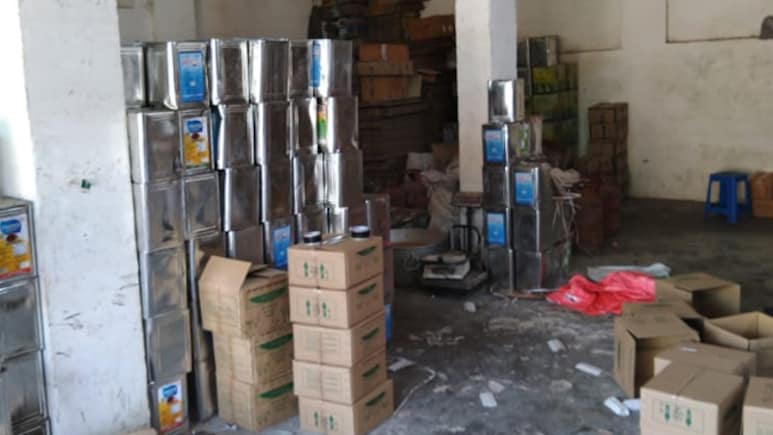
In a shocking revelation that raises serious questions about food safety enforcement in India, authorities have seized 7,500 litres of fake ghee from a covert manufacturing unit operating under the guise of a hotel in Rajasthan’s Churu district. The adulterated ghee was allegedly being prepared for large-scale distribution during the New Year season, when household consumption traditionally peaks.
Officials say the illegal operation had been running without any license, FSSAI registration, or basic quality standards, effectively functioning as a full-fledged factory camouflaged as a roadside hospitality business. The bust has triggered outrage and concern: how many homes would this toxic product have reached if the tip-off had not come in time?
Systemic Failure Under the Spotlight
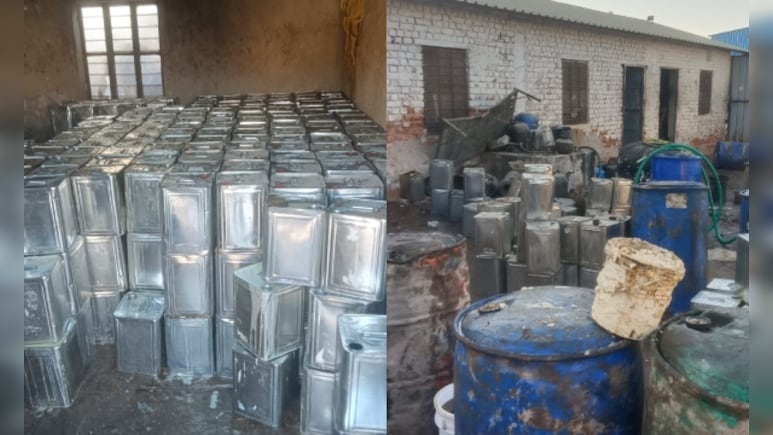
The location of the unit has further deepened suspicions. Situated openly along National Highway-58, the site reportedly stored chemical drums and hundreds of tins—materials that should have immediately raised red flags. Yet, questions remain unanswered:
Did local administration, police, or the food safety department ever inspect the premises?
Were there no routine checks, sampling drives, or surprise inspections?
How did such large volumes of raw chemicals move through transport and supply chains without detection?
Disturbingly, the main accused had already been caught in a fake ghee case back in 2022, yet was allegedly operating freely again. This has led to uncomfortable questions about official negligence, possible collusion, or systemic apathy.
Seasonal Crackdowns, Permanent Problem
Food safety experts argue that India’s enforcement model relies too heavily on seasonal raids around festivals, while adulteration networks operate year-round. “Every year during festivals, we hear of seizures. But how does the poison reach markets in the first place?” asked a local activist.
Although samples from the seized ghee have now been sent to laboratories, there is growing fear that the larger network may vanish before reports arrive, leaving behind no trail of accountability.
Success or Exposure of a Broken System?
While agencies involved in the raid have termed it a success, critics disagree. “Catching fake ghee is not a victory. The real failure is that it was allowed to be manufactured at this scale,” said a former food safety officer.
Many are now asking the most uncomfortable question of all:
Was this bust a sign of strong enforcement—or an exposure of a fake system that works only when alerted?
Had the tip-off not reached the Anti-Gang Task Force (AGTF), would authorities still be claiming that “everything is under control”?