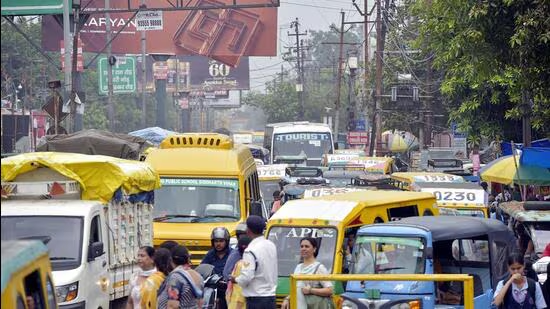
In a decisive move to ease traffic congestion and restore pedestrian safety, the Ghaziabad administration has launched a renewed crackdown on illegal encroachment by street vendors across key markets and busy road corridors in the city.
Civic authorities have observed that unchecked roadside vending has significantly narrowed roads, obstructed footpaths, and increased the risk of accidents, especially during peak hours. Acting on repeated complaints from residents and commuters, the district administration and municipal corporation have begun identifying unauthorised vendors operating beyond designated zones.
Clear Footpaths, Smoother Traffic
Officials said the drive aims to reclaim public spaces while ensuring smoother traffic flow in crowded areas such as main market roads, metro station exits, hospitals, and school zones. Enforcement teams have been instructed to remove illegal stalls, carts, and temporary structures that violate municipal norms.
At the same time, authorities stressed that the action is not meant to target livelihoods indiscriminately. Vendors registered under the Street Vendors Act will be relocated to notified vending zones, ensuring they can continue earning without disrupting public movement.
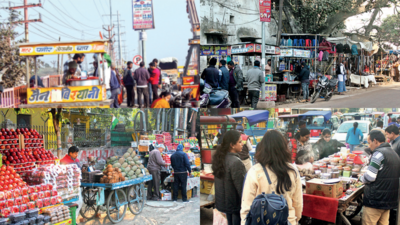
Balancing Order and Livelihoods
Municipal officials said notices are being issued first, followed by eviction only in cases of repeated violations. The administration is also planning awareness campaigns to educate vendors about legal vending areas and compliance requirements.
Residents have welcomed the move, saying illegal
encroachments have made daily commuting difficult for years. “Footpaths were no longer usable for pedestrians. This action was long overdue,” said a local shopkeeper.
More Drives Planned
Authorities confirmed that the anti-encroachment drive will continue in phases across Ghaziabad, with strict monitoring to prevent re-encroachment. The administration has warned that repeat offenders may face fines and seizure of goods.
The initiative reflects the city’s broader push toward better urban planning, safer roads, and more organised markets, while attempting to strike a balance between regulation and livelihood protection.