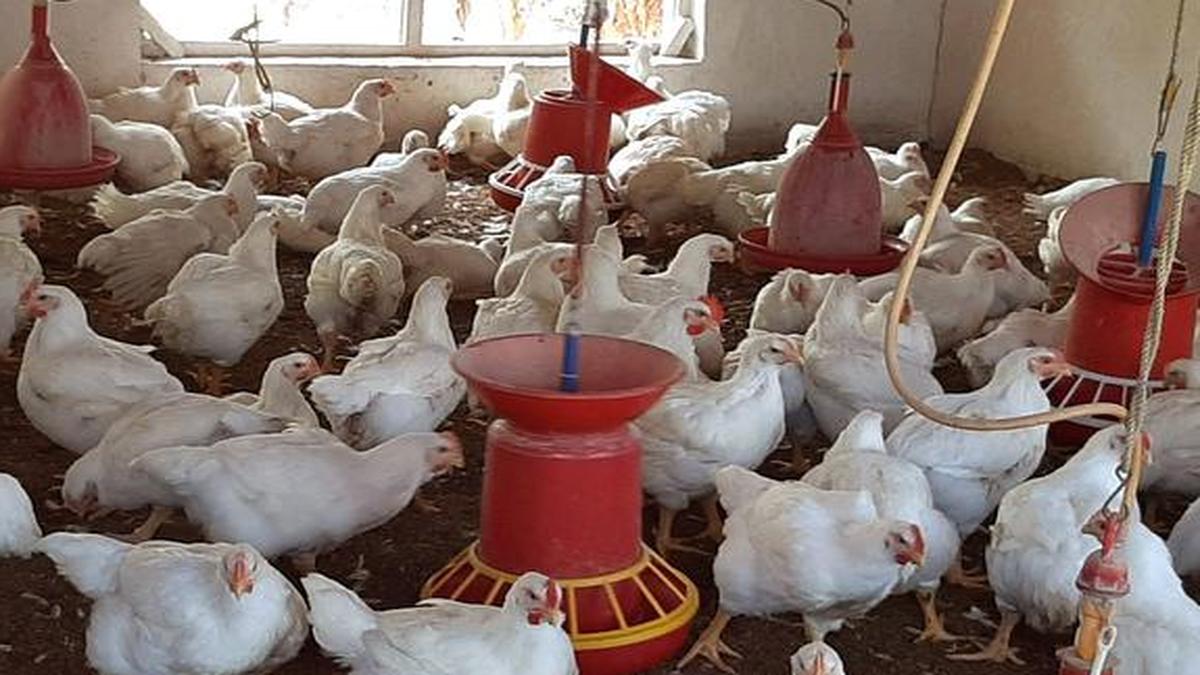
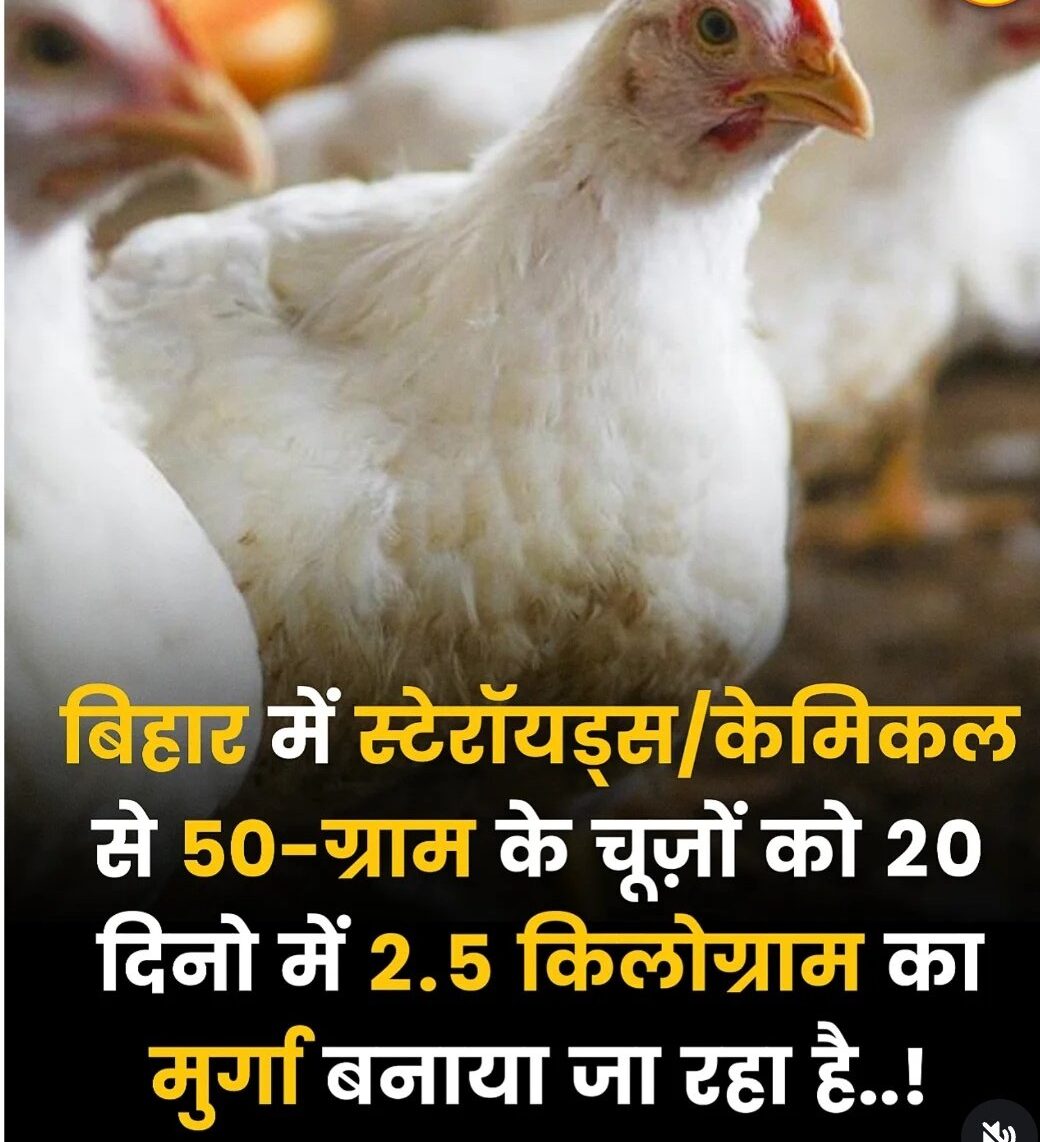
Serious concerns over food safety and public health have surfaced in Bihar following viral claims that broiler chickens are allegedly being grown using steroids and chemical substances to drastically increase their weight within an unusually short span of time. According to social media posts shared by health advocacy handles, chicks weighing barely 50 grams are reportedly being turned into 2.5-kilogram chickens within just 20 days — a practice experts warn could pose grave risks to human health if proven true.
The issue has sparked widespread outrage among consumers, doctors, and public health activists, who are demanding immediate investigation and strict action. Health advocates argue that such artificial growth methods, if unchecked, could expose people to hormone residues, antibiotics, and chemical compounds, potentially increasing the risk of lifestyle diseases, hormonal disorders, early puberty in children, and even cancer.
While poultry farming has evolved rapidly with scientific feeding methods to meet growing protein demand, medical experts caution that excessive or illegal use of growth promoters, steroids, or antibiotics is strictly prohibited under Indian food safety laws. The Food Safety and Standards Authority of India (FSSAI) allows only approved feed supplements under regulated limits, and any deviation is considered a serious violation.
Public health activists have also questioned the lack of routine inspections and enforcement at poultry farms, particularly in rural and semi-urban areas. They allege that weak monitoring has allowed unethical practices to flourish, putting millions of consumers at risk. Calls are growing louder for random sampling of poultry meat, laboratory testing, and transparent reporting of findings.
Doctors emphasize that long-term consumption of chemically contaminated meat may weaken immunity, disrupt hormonal balance, and contribute to chronic illnesses. “Food is medicine or poison — it depends on how it is produced,” said a senior physician from Patna, stressing the need for immediate regulatory intervention.
So far, there has been no official confirmation from state authorities regarding these allegations. However, consumer groups are urging the Bihar government and FSSAI to conduct urgent statewide audits of poultry farms and supply chains.
As chicken remains one of the most affordable protein sources for millions of Indians, ensuring its safety is not just a regulatory responsibility but a public health priority. The unfolding debate has once again highlighted the urgent need for stronger food safety enforcement, scientific transparency, and consumer awareness.