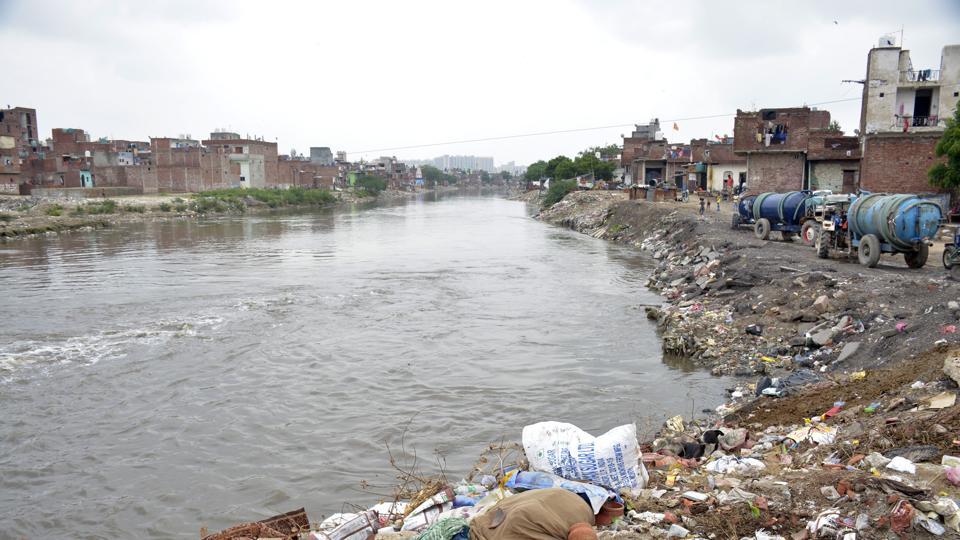
Residents of Ghaziabad’s Trans-Hindon region are grappling with a severe public health concern as contaminated drinking water continues to flow through household taps. From Indirapuram to Brij Vihar, decades-old and damaged pipelines are allowing sewage to mix with potable water, exposing thousands of families to infections and waterborne diseases.
Despite repeated complaints and long-standing demands for pipeline replacement, civic authorities have relied on temporary repairs instead of permanent solutions, leaving residents frustrated and vulnerable. Foul-smelling water, high Total Dissolved Solids (TDS), and visible contamination have become routine complaints across the region.
Aging Pipelines, Growing Health Risks
In Indirapuram, the drinking water pipelines date back to the time when the Ghaziabad Development Authority (GDA) first developed the area. Over the years, these pipelines have deteriorated, while sewer lines run dangerously close to water supply lines. In several locations, both systems are damaged, allowing sewage waste to seep into drinking water pipelines.
As a result, residents report frequent cases of stomach infections, skin problems, and viral illnesses, forcing many families to rely on expensive bottled water for daily consumption.
Leakages Visible on Roads, Action Still Missing
In the Sahibabad Industrial Area, leaking pipelines have caused waterlogging along roadsides. Rusted iron pipes, clearly visible above ground, reflect the poor condition of the water infrastructure. Locals allege that despite visible evidence of leakage and contamination, authorities have failed to take concrete corrective measures.
Brij Vihar: Drain Turns Drinking Water Toxic
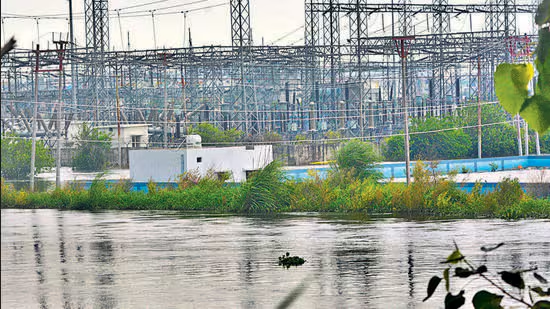
The situation in Brij Vihar is even more alarming. Here, the drinking water pipeline passes directly through an open drain. During a ground report, active leakages were found where sewage water was visibly mixing with the potable supply.
Local resident Aditya Bhardwaj said the problem stems from 20-year-old pipelines that have corroded over time. “Most of the pipes are damaged. Dirty water enters our homes daily. Complaints are made, but nothing changes,” he said.
Residents Demand Immediate Intervention
Citizens are now demanding complete replacement of old pipelines, separation of sewer and drinking water lines, and strict quality monitoring. Public health experts warn that if corrective action is delayed further, the region could face a major health emergency.