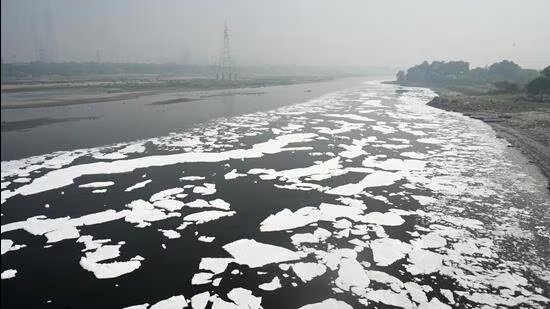
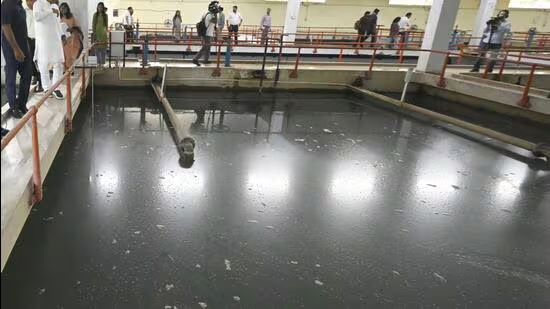
Delhi is once again facing a serious water crisis as a sudden spike in ammonia levels in the Yamuna River has forced authorities to reduce water supply by 25 to 50 per cent across several parts of the capital. The alarming situation has impacted two major water treatment facilities — Wazirabad and Chandrawal Water Treatment Plants — which together cater to a large portion of North, Central and Old Delhi.
According to the Delhi Jal Board (DJB), ammonia levels in raw water near Wazirabad crossed 3 parts per million (PPM) on Wednesday morning, far exceeding the safe treatment limit of 1 PPM. Officials said that treating water with higher ammonia concentrations could lead to the formation of toxic chemicals, posing serious health risks. As a precautionary measure, plant capacities were reduced significantly.
Large Sections of Delhi Hit
The Wazirabad plant, which supplies around 131 million gallons per day (MGD) to nearly 123 square kilometres, has been forced to operate at reduced capacity. This has affected water supply in 11 assembly constituencies, including key areas such as Defence Colony, Majnu Ka Tila, ITO, NDMC zones, LNJP Hospital, Rajghat, Punjabi Bagh, Model Town, Azadpur, Shalimar Bagh, Wazirpur and Lawrence Road.
Similarly, the Chandrawal plant, supplying about 95 MGD to nine assembly constituencies, has also reduced output. Residents of Karol Bagh, Jhandewalan, Civil Lines, Patel Nagar, Rajendra Nagar and Shadipur are receiving water at extremely low pressure or experiencing complete disruption.
In South Delhi, localities such as Moolchand, South Extension, Greater Kailash and parts of the Cantonment area are also facing shortages.
Water Board Issues Advisory
The Delhi Jal Board has urged residents to use water judiciously until the situation stabilises. “Supply will remain low in many areas until ammonia levels return to normal,” an official said. The board has also activated emergency tanker services and asked residents to contact the 1916 helpline in case of acute shortages.
Pollution at the Root of the Problem
Environmental experts and resident groups have blamed industrial pollution upstream for the crisis. According to United Residents Joint Action of Delhi president Atul Goyal, untreated industrial effluents from Haryana’s industrial clusters — particularly dye factories in Panipat and drains from Sonipat — are major contributors to ammonia contamination in the Yamuna.
While the Haryana government has denied these allegations in the past, similar spikes in ammonia have repeatedly disrupted Delhi’s water supply in recent years, exposing the fragile nature of the capital’s water security.
A Recurring Warning Sign
This episode once again highlights Delhi’s heavy dependence on the Yamuna and the urgent need for stronger pollution control mechanisms and inter-state coordination. Experts warn that unless industrial discharge is strictly regulated and river health is restored, such water emergencies could become more frequent.
For now, lakhs of Delhi residents will have to manage with reduced water supply, hoping for ammonia levels to drop and normalcy to return soon.