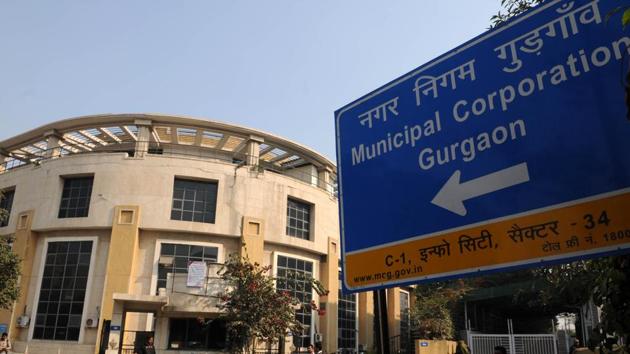
After a prolonged delay, the Municipal Corporation of Gurugram (MCG) has approved the formation of ward committees, nearly 11 months after the civic elections held in March 2025 and more than two years since such panels last functioned. The move is being projected as a step toward improving citizen participation in local governance, but residents’ welfare associations (RWAs) remain sceptical about how effective the decision will be on the ground.
The approval was granted during a special House meeting chaired by Mayor Rajrani Malhotra, with senior officials and councillors in attendance. According to officials, the ward committees will serve as local platforms to identify civic issues, monitor development works, and enhance coordination between citizens and the municipal administration.
What Ward Committees Are Expected to Do
As per the municipal corporation, the ward committees will focus on prioritising local development projects, monitoring sanitation arrangements, and flagging issues related to street lighting, road conditions, water supply, sewerage, and other basic civic services. Each committee will also have its own bank account, a move aimed at enabling smoother fund utilisation and ward-level monitoring.
The concept of ward committees is not new. It is mandated under the Haryana Municipal Citizens’ Participation Act, 2008, which was introduced to institutionalise public participation in urban governance through decentralised decision-making. The law envisages citizens playing an active role in identifying problems and suggesting solutions at the neighbourhood level.
RWAs Question Intent and Implementation
Despite the announcement, several RWAs have expressed doubts over whether the committees will genuinely empower residents or remain symbolic bodies. Many point out that ward committees were either inactive or ineffective in the past, with meetings rarely held and recommendations often ignored by officials.
RWA representatives argue that without clear guidelines, fixed timelines, transparency in fund usage, and accountability mechanisms, the new panels may fail to deliver meaningful change. Some also fear political interference could dilute the original intent of citizen-led governance.
Long Delay Raises Questions
The absence of ward committees since late 2022 has already resulted in a gap between residents and the civic body, RWAs say. Issues like poor sanitation, broken roads, water shortages, and faulty streetlights have often gone unresolved due to lack of a structured local forum.
While civic officials claim the revival of ward committees will bridge this gap, residents insist that implementation will determine success, not announcements.
Road Ahead
Urban governance experts believe ward committees can become powerful tools for grassroots democracy if backed by authority, transparency, and regular monitoring. For now, Gurgaon residents are watching closely to see whether the MCG’s latest move translates into real participation and faster civic solutions, or remains another well-intended policy struggling at the execution stage.