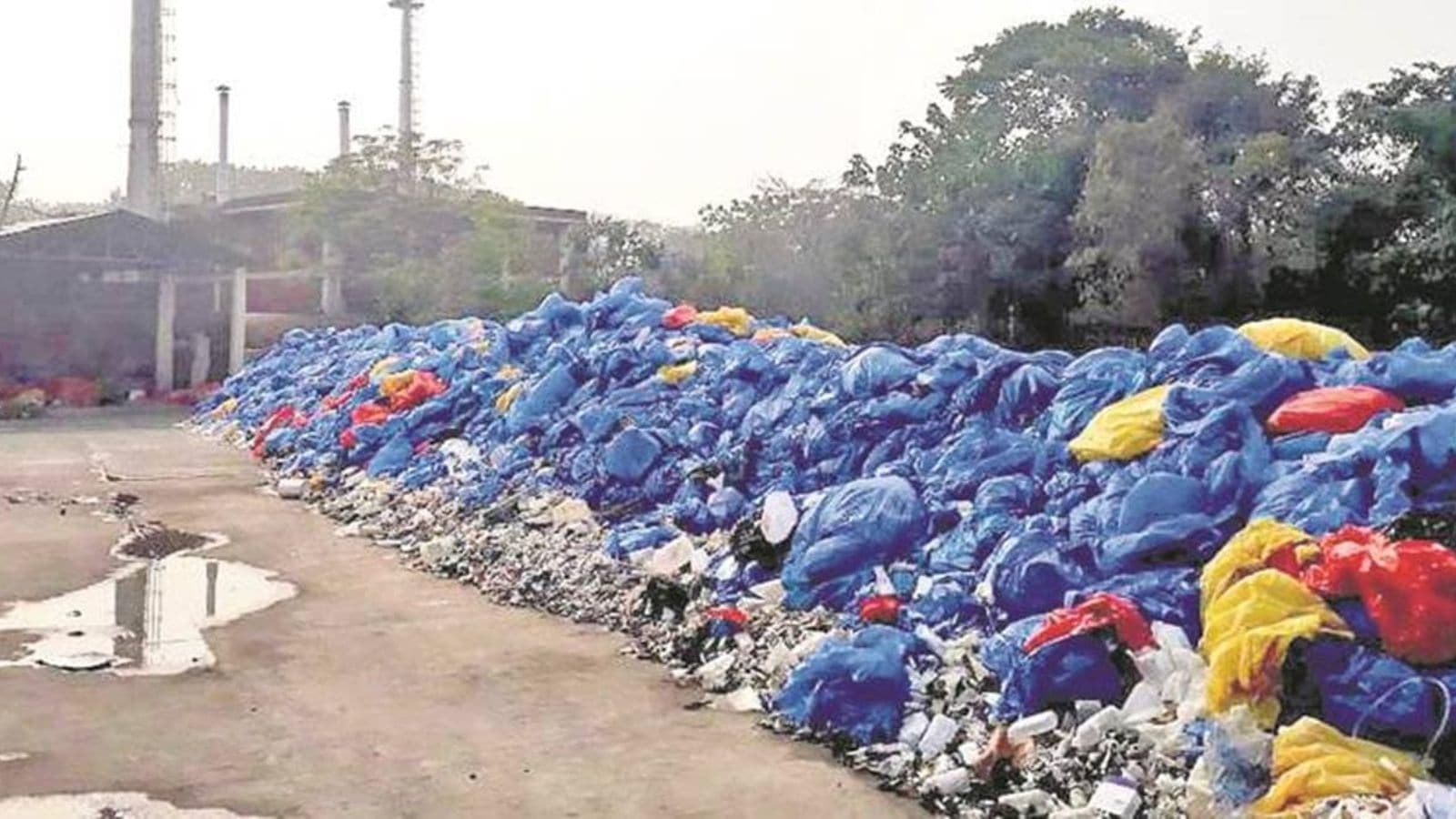
Delhi is set to significantly strengthen its biomedical waste handling capacity with the establishment of new Common Bio-Medical Waste Treatment Facilities (CBWTFs). Environment Minister Manjinder Singh Sirsa announced the initiative after reviewing a comprehensive infrastructure expansion plan with key agencies.
The move aims to ensure safer disposal of medical waste generated by hospitals, clinics, laboratories, and healthcare centres across the Capital.
Rising Waste Output Triggers Urgent Action
Officials informed the Minister that Delhi currently generates nearly 40 tonnes of biomedical waste every day — a figure projected to increase sharply by 2031 due to expanding healthcare services and population growth.
To cope with this surge, the proposed facilities are designed to process up to 46 tonnes of waste per day, ensuring adequate capacity for future demand.
Advanced Facilities with High Processing Capacity
Each treatment plant will be built on a minimum area of 0.5 acres and equipped with modern technology for safe disposal. The facilities will be capable of processing around 2,300 kilograms of waste per hour and will operate for approximately 20 hours daily.
Treatment methods will include autoclaving, shredding, and secure landfilling — processes designed to neutralise infectious material and reduce environmental risks.
Region-Wise Coverage for Efficient Management
Earlier, two facilities served the entire city. Under the new plan, multiple units will be developed to ensure decentralised and efficient waste handling. Each facility will cater to three districts, covering major zones including east, northeast, Shahdara, west, southwest, and central Delhi.
Officials believe this approach will reduce transportation risks, improve response time, and ensure better monitoring of waste disposal practices.
Focus on Public Health and Environmental Safety
Sirsa emphasised that improper disposal of biomedical waste poses serious health threats to citizens and sanitation workers. The government plans to invite technology-driven partners that comply with strict environmental standards.
He stated that waste management is a critical component of Delhi’s broader anti-pollution strategy and a key step toward protecting public health.
Monitoring Systems to Ensure Accountability
To maintain transparency, authorities will introduce daily monitoring dashboards once the facilities become operational. These systems will track waste collection, processing efficiency, and compliance with safety norms.
With healthcare activity continuing to grow, the expansion of CBWTF infrastructure is expected to play a crucial role in keeping Delhi safe, clean, and environmentally secure in the years ahead.