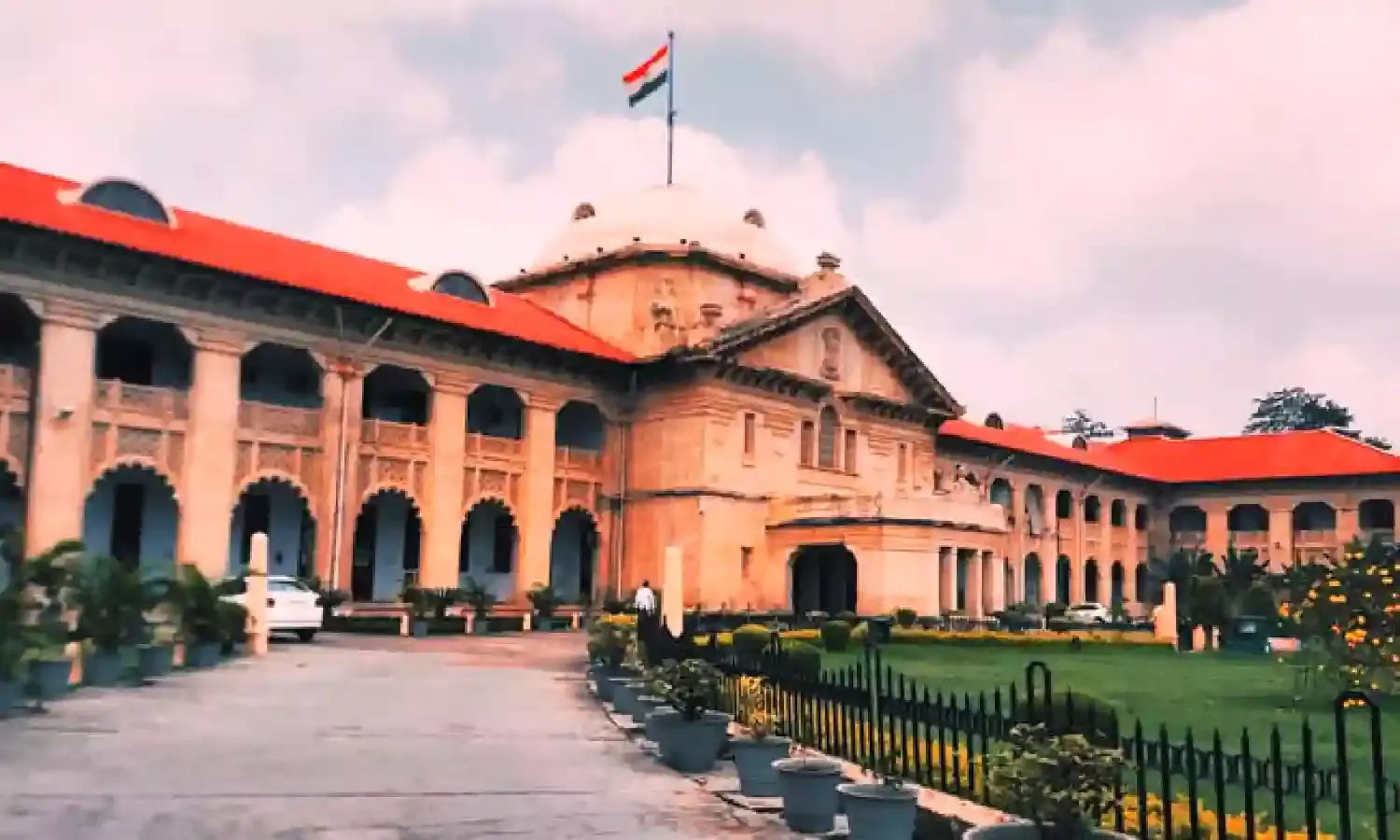
In a development that has sparked intense debate over land use and public space, residents of a Noida locality have approached the Allahabad High Court to challenge a proposal to construct a temple on a park that has existed for nearly four decades.
According to residents, the park has long served as a vital green space for the community — used for morning walks, children’s play, social gatherings, and recreational activities. They argue that converting it into a religious structure would deprive hundreds of families of their only accessible open area.
Concern Over Loss of Public Space
Petitioners claim the park was originally designated for public use in the area’s development plan and should not be repurposed without due process or community consent. They fear that once construction begins, the neighbourhood will permanently lose a critical environmental and social asset.
Residents also expressed concern that shrinking green cover in rapidly urbanising cities like Noida has already reduced breathing spaces, making existing parks even more valuable for health and well-being.
Legal Challenge Over Land-Use Change
The plea reportedly questions the legality of converting land reserved for recreational purposes into a religious site. Petitioners have asked the court to halt any construction activity until the matter is examined thoroughly.
Legal experts note that courts in India have previously emphasised the importance of preserving public parks, especially in densely populated urban areas where such spaces are limited.
Community Divided
While many residents oppose the proposal, some local voices reportedly support the temple, arguing it would serve spiritual needs and community bonding. This divergence of opinion has turned the issue into a sensitive civic dispute.
Authorities are expected to present their position before the court regarding approvals, land ownership, and compliance with planning norms.
A Test Case for Urban Planning
Urban planners say the case could become significant beyond a single neighbourhood. With cities facing competing demands for land — housing, infrastructure, religious structures, and green spaces — the outcome may influence future decisions on land-use changes across the region.
For now, residents hope the judicial intervention will preserve the decades-old park, maintaining it as a shared public resource rather than allowing irreversible transformation.