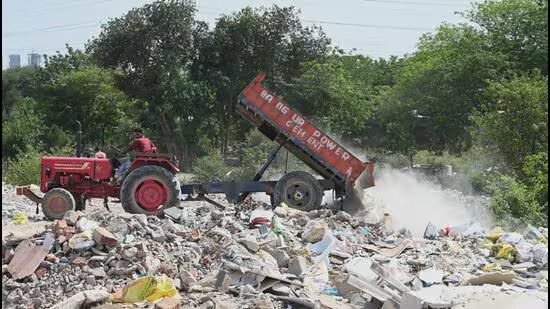
In a sweeping move to curb illegal dumping and rising dust pollution, Gurugram is set to introduce strict new rules that will make construction and demolition waste fully traceable — from the building site to its final disposal point.
Starting April 1, anyone undertaking construction, renovation, or demolition on plots of 200 square metres or more will have to prove where every kilogram of debris goes. The new framework, issued by the Commission for Air Quality Management (CAQM), is expected to fundamentally change how construction activity is monitored across the city.
Proof of Disposal Required Twice
Under the new system, debris management will be verified at two critical stages — before construction begins and again before a building is allowed to be occupied.
Project owners must estimate the volume of waste likely to be generated and submit a disposal plan at the approval stage. If demolition is involved, the waste must be transported to authorised collection or processing facilities, and official receipts will be mandatory.
Without documented proof of proper disposal, authorities can withhold completion and occupancy certificates, effectively preventing the building from being legally used.
Ending the Era of Illegal Dumping
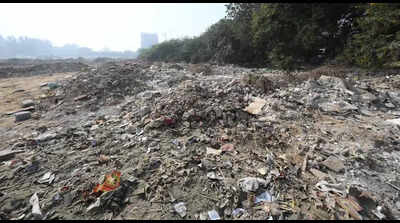
For years, construction debris has been routinely dumped on roadsides, vacant plots, drains, and even near the Aravalli hills, contributing heavily to air pollution and urban clutter. Officials say the new rules aim to close these loopholes permanently.
To support compliance, civic agencies must ensure at least one authorised construction and demolition waste collection point within every 5 km × 5 km grid across the city. This network is intended to eliminate excuses for illegal dumping.
Digital Tracking to Monitor Every Load
A key feature of the new system will be digital oversight. Authorities plan to introduce geo-tagged collection points and GPS tracking of vehicles transporting debris. Each trip will create a digital trail — from the originating site to the final processing facility — allowing officials to detect route deviations or missing loads in real time.
The Haryana State Pollution Control Board will lead enforcement, with powers to issue notices, levy environmental penalties, and inspect processing plants for compliance with pollution norms.
Major Step Toward Cleaner Air
Construction dust is a year-round contributor to particulate pollution in NCR cities. Environmental experts believe linking waste disposal to building approvals will finally create accountability across the entire chain — from builders to transporters to civic agencies.
If implemented effectively, the new rules could significantly reduce illegal dumping, improve urban cleanliness, and help tackle one of the region’s most persistent sources of air pollution.
For a rapidly expanding city like Gurugram, the policy signals a shift toward more responsible urban development — where building progress can no longer come at the cost of environmental damage.