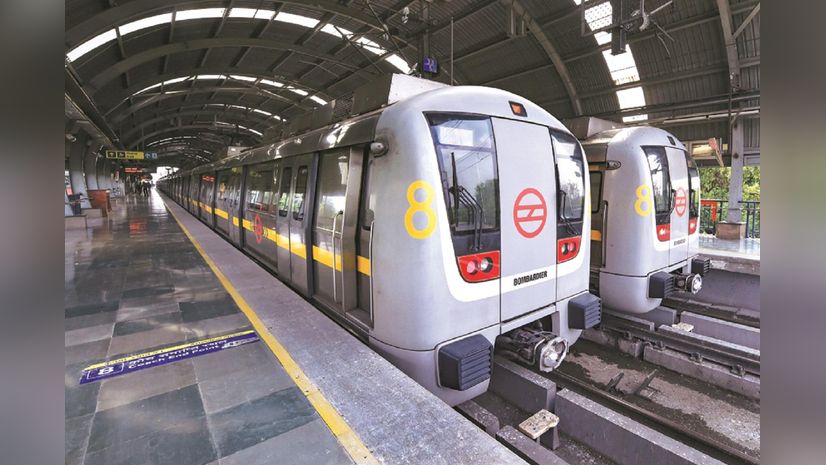
In a move aimed at strengthening cultural representation and improving local connect, the Delhi government has approved the renaming of nine metro stations across the national capital. The decision, finalised by the State Names Authority led by Chief Minister Rekha Gupta, seeks to align station names more closely with the history, geography, and identity of surrounding neighbourhoods.
The renaming exercise followed a detailed review of proposals concerning 21 metro stations. After deliberation, authorities retained several suggested names, modified others to include prominent nearby localities, and fully renamed two stations to better reflect their locations.
Two Stations Fully Renamed
Among the most significant changes, North Pitampura station will now be known as Haiderpur Village, while Pitampura station has been renamed Madhuban Chowk. Officials said these new names correspond more accurately to the areas the stations actually serve.
Seven Stations Receive Composite Names
Seven additional stations have been given modified names combining nearby landmarks or residential zones to improve passenger navigation and local relevance. These include:
Uttari Pitampura–Prashant Vihar
Jagatpur–Wazirabad
Nanak Pyau–Derawal Nagar
Khanpur–Vayusainabad
Nanaksar–Sonia Vihar
Shri Ram Mandir Mayur Vihar
Mangolpur Kalan–West Enclave
Authorities noted that composite naming helps commuters identify destinations more easily, especially in densely populated parts of the city.
Several Names Retained
Stations such as Majlis Park, Bhalaswa, Haiderpur Badli Mor, Deepali Chowk, Yamuna Vihar, Bhajanpura, Khajuri Khas, Soorghat, Jharoda Majra, Burari, Pushpanjali, and Maujpur–Babarpur will retain their proposed names, as they were already considered appropriate and widely recognisable.
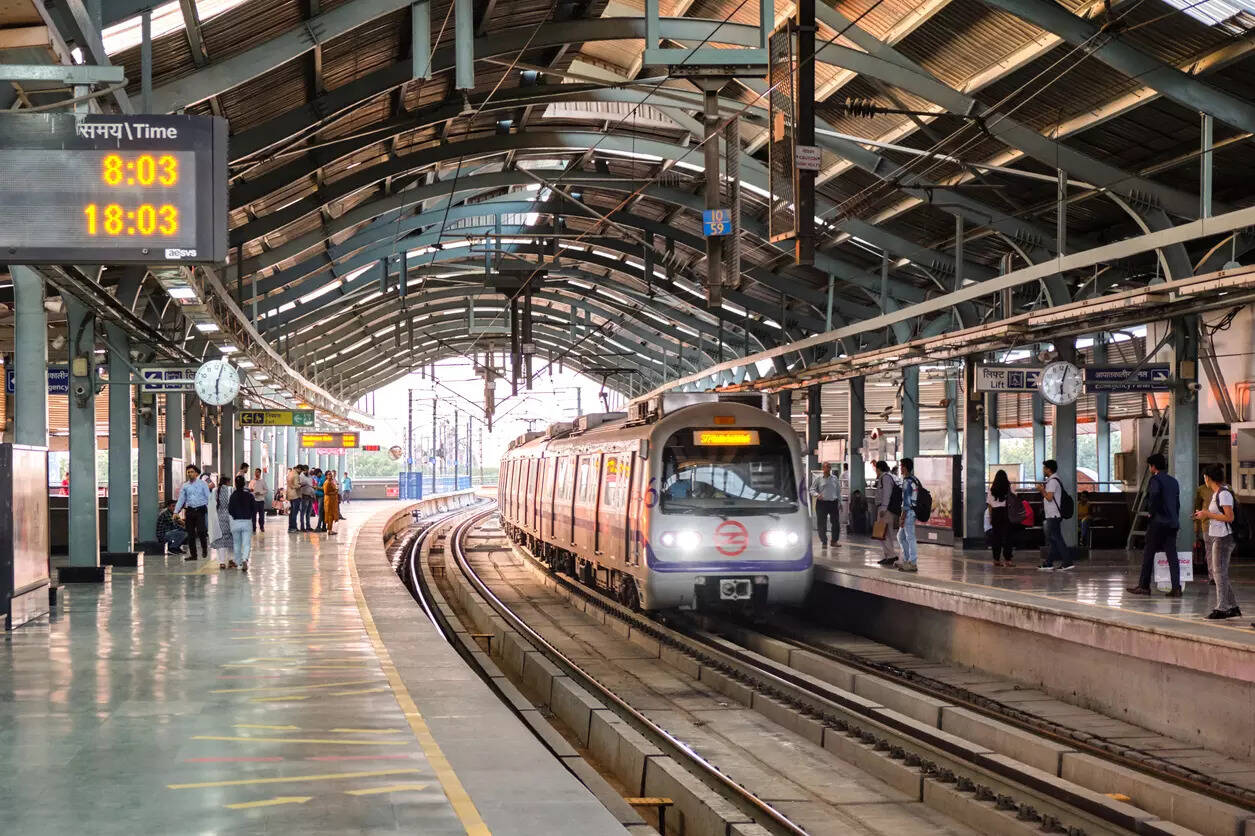
Cultural Identity at the Core
Chief Minister Rekha Gupta emphasised that the initiative is part of a broader effort to ensure public infrastructure reflects local heritage and community identity. The government also indicated that future proposals for renaming may be considered if they meet established guidelines and receive strong local support.
Urban planners say station names play a crucial role not only in navigation but also in preserving historical memory and civic pride. By adopting names rooted in local geography and culture, the administration hopes to make the metro system more intuitive for commuters while reinforcing Delhi’s diverse heritage.
The renaming will be implemented across signage, maps, announcements, and digital platforms once operational updates are completed by the Delhi Metro Rail Corporation.
As the capital’s lifeline continues to expand, officials believe the changes will make the network more user-friendly while strengthening the connection between the metro and the communities it serves.