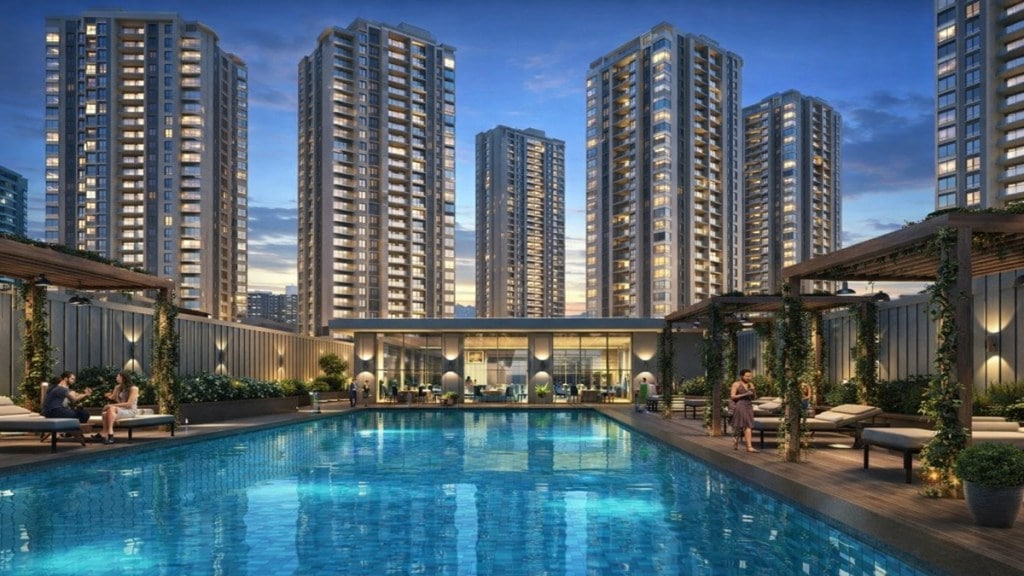
India’s luxury real estate landscape is undergoing a major transformation, with record sales values and volumes increasingly driven by emerging micro-markets rather than traditional prime locations. Rapid infrastructure development, new expressways, metro connectivity, and planned urban clusters are turning previously overlooked areas into premium investment hotspots.
Infrastructure Creating New Luxury Hubs
Experts say infrastructure-led growth is the biggest catalyst behind this shift. As new airports, highways, business districts, and transit corridors take shape, affluent buyers are moving toward areas that promise long-term appreciation along with better living conditions.
These new micro-markets offer:
◆ Larger homes and gated communities
◆ Strong connectivity to business hubs
◆ Cleaner environment and lower congestion
◆ Higher future value potential
◆ Changing Preferences of Affluent Buyers
Wealthy homebuyers are no longer focused only on central city addresses. Instead, they are prioritising spacious layouts, privacy, smart amenities, and lifestyle upgrades — factors often difficult to achieve in dense legacy zones.
Developers are responding by launching luxury townships, villas, and high-end apartments in peripheral growth corridors.
“Luxury buyers today are investing in future ecosystems, not just locations,” a real estate analyst noted.
Luxury Market Expands Beyond Legacy Cities
The trend indicates that luxury housing demand is spreading beyond established metro cores into dynamic urban regions shaped by new infrastructure and economic activity. Emerging clusters around airports, IT parks, and industrial corridors are witnessing particularly strong traction.
Experts believe this diversification is reshaping India’s premium housing market, creating multiple luxury nodes instead of a few traditional hotspots.
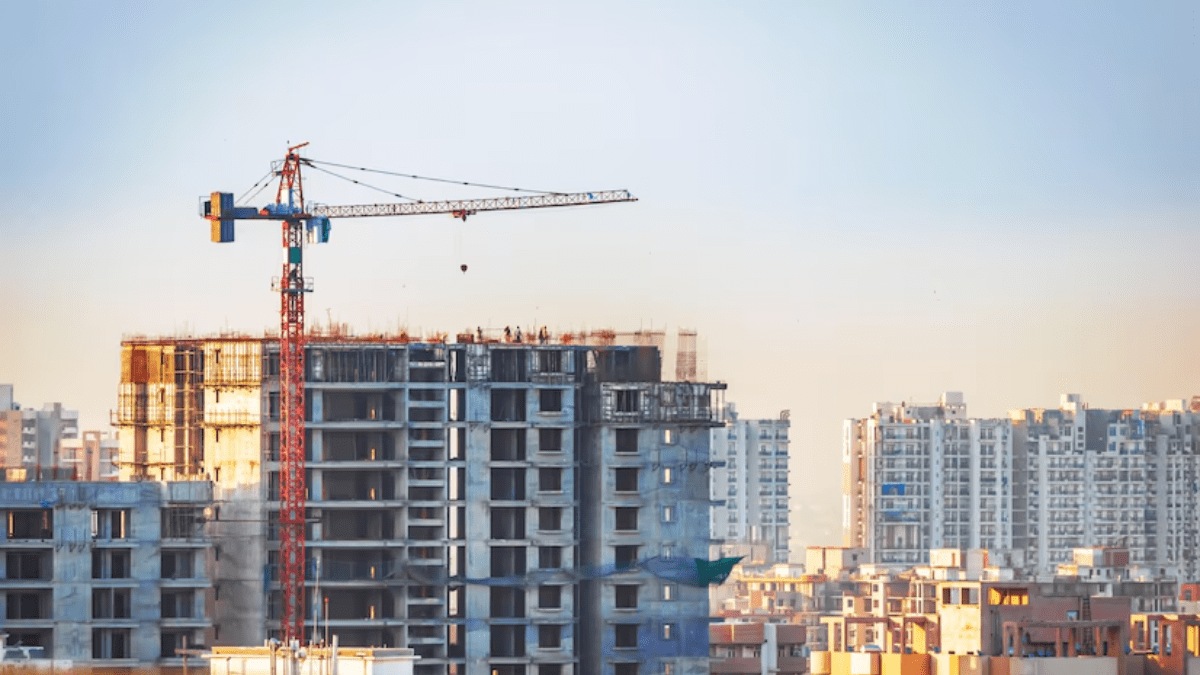
What It Means for the Future
The ongoing shift suggests a structural change rather than a temporary trend. As infrastructure projects mature and urban sprawl continues, these micro-markets are likely to become the next generation of elite residential zones.
For buyers, the move represents an opportunity to secure high-quality homes with long-term value. For cities, it signals the rise of new urban ecosystems designed around connectivity, sustainability, and modern lifestyles.