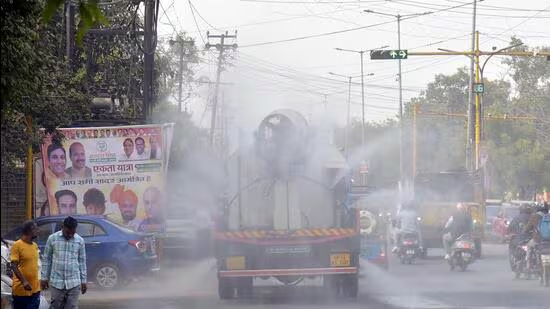
A new air quality report has revealed that Ghaziabad was the most polluted city in India during the winter of 2025–26, followed by Noida and Delhi. The findings come from an analysis conducted by the Centre for Research on Energy and Clean Air using official air quality monitoring data.
Report Based on Government Monitoring Data
The analysis used readings from Continuous Ambient Air Quality Monitoring Stations (CAAQMS) maintained by the Central Pollution Control Board (CPCB). Data was collected between October 1, 2025 and February 28, 2026, a period when air pollution traditionally peaks across North India.
The report highlights alarming levels of PM2.5 — tiny airborne particles that can penetrate deep into the lungs and bloodstream, posing serious health risks.
Majority of Indian Cities Breached Air Quality Standards
According to the study:
204 out of 238 cities with adequate monitoring data recorded winter PM2.5 levels above India’s National Ambient Air Quality Standards (NAAQS).
Last year, 173 cities had exceeded these limits, indicating the pollution situation has worsened.
This means over 85% of monitored cities experienced unhealthy winter air quality.
NCAP Cities Also Failing to Meet Standards
The study also examined cities covered under the National Clean Air Programme (NCAP).
Findings show:
●84 out of 96 NCAP cities exceeded India’s national PM2.5 limits.
●All 96 cities crossed the stricter air quality guidelines set by the World Health Organization (WHO).
This suggests that even cities under special pollution-control programs are struggling to meet air quality goals.
Indo-Gangetic Plain Worst Affected
The Indo-Gangetic Plain (IGP), known for severe winter smog, remained the hardest-hit region.
79 cities in the region had sufficient monitoring data.
75 cities exceeded India’s pollution standards, while only four cities stayed within limits.
NCR Cities Failed to Meet Standards
In the National Capital Region (NCR), the situation was equally concerning.
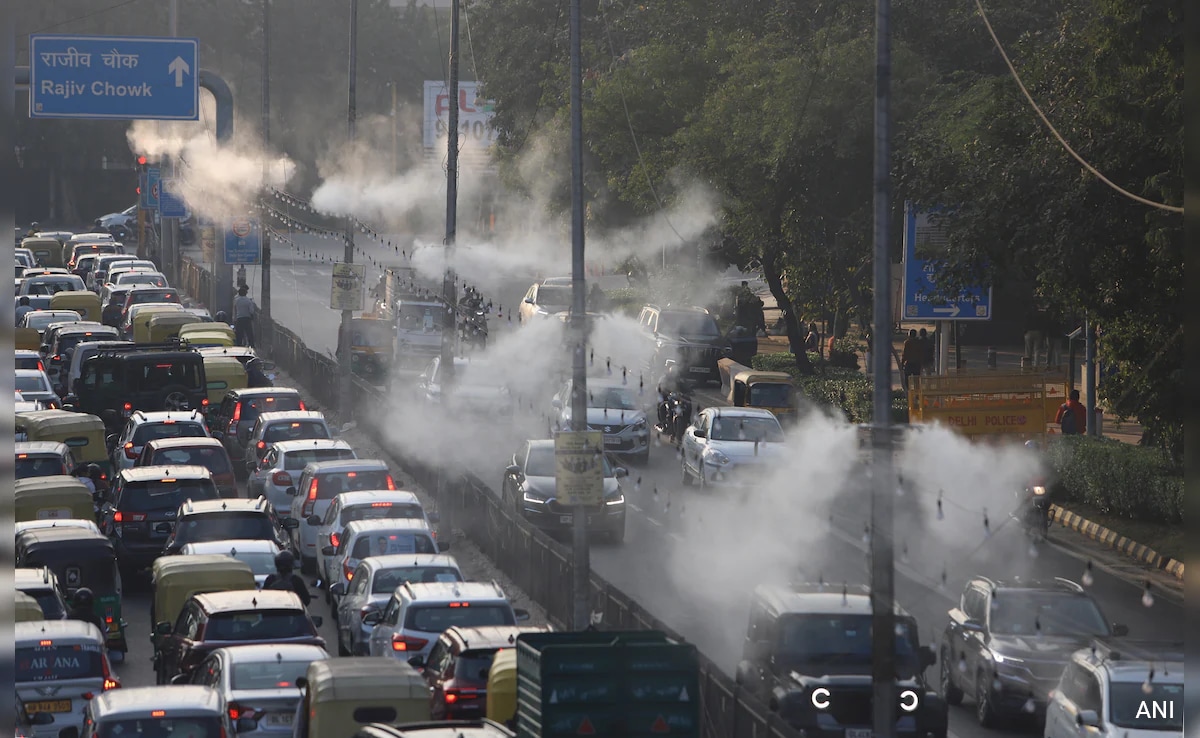
Out of 29 monitored cities, 28 had sufficient data coverage, and none of them met the national PM2.5 standards.
This means every monitored city in NCR recorded unhealthy air during winter.
Growing Health Concern
Air pollution has increasingly become one of the largest public health threats in India, contributing to respiratory illnesses, heart disease, and reduced life expectancy.
Experts say stronger enforcement of pollution control policies, improved urban planning, and stricter emission standards will be necessary to tackle the worsening crisis.