The new waste management provisions place greater responsibility on Bulk Waste Generators (BWGs) to ensure that the waste they produce is collected, transported and processed in an environmentally responsible manner.
The rules apply to large institutions and establishments that generate significant amounts of waste, including housing societies, commercial complexes, hotels, educational institutions and large offices.
Role of Local Authorities and Elected Representatives
Implementation of the rules will involve coordination with local authorities and elected representatives, including:
●Mayors of municipal corporations
●Chairpersons of municipalities
●Ward members and councillors
●Representatives of gram panchayats
These officials will oversee compliance and ensure that waste management systems are effectively implemented at the local level.
Focus on Decentralised Waste Management
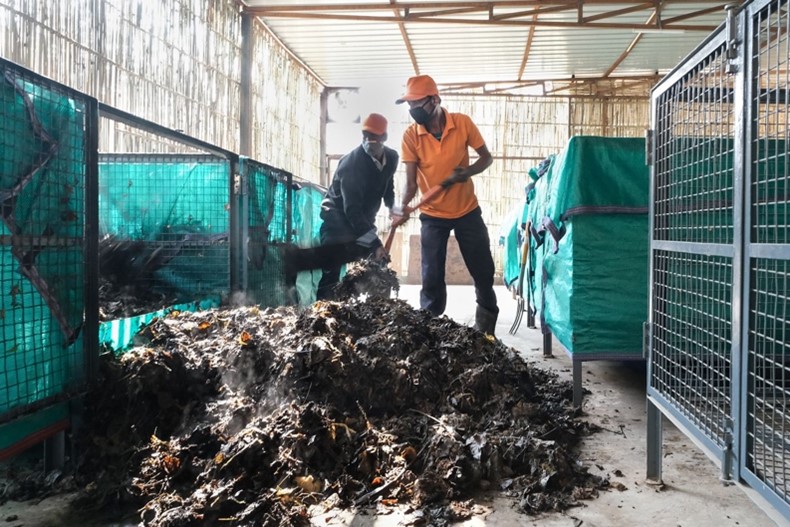
The regulations aim to reduce the burden on urban local bodies by encouraging decentralised waste processing at the source itself.
Under the rules, Bulk Waste Generators must ensure:
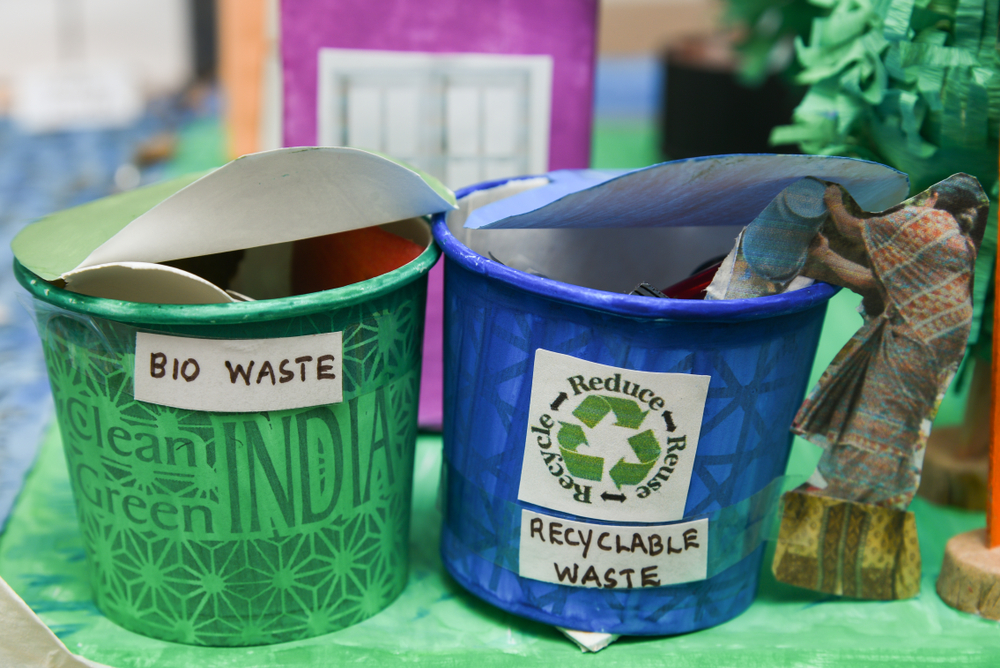
Proper segregation of waste at the source
Environmentally sound collection and transportation
Scientific treatment and processing of waste
This approach is expected to improve efficiency in waste handling and reduce pressure on municipal dumping sites.
User Fees for Waste Generators
The rules also allow local authorities to levy user charges on waste generators, in accordance with municipal bye-laws.
These fees will help cover the costs associated with waste collection, transportation and processing, while encouraging responsible waste generation and disposal practices.
Move Toward Sustainable Urban Waste Management
Officials say the new framework will promote accountability among large waste producers, improve sanitation, and help cities transition toward sustainable and decentralised waste management systems.