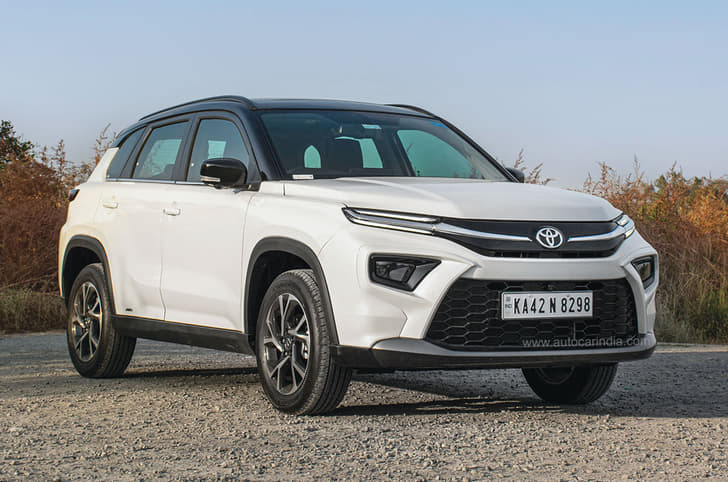
In a significant policy shift, the Government of National Capital Territory of Delhi is now unlikely to offer road tax and registration fee waivers for hybrid vehicles. The move marks a clear U-turn from its earlier stance and signals a sharper push toward fully electric mobility.
Under the draft of the upcoming EV policy (2026–2030), financial incentives are expected to be reserved only for pure electric vehicles, excluding hybrids altogether.
Clear Tilt Towards Electric Vehicles
The revised policy indicates that only zero-emission vehicles will benefit from incentives such as road tax and registration waivers. This reflects a strategic shift in Delhi’s clean mobility roadmap, prioritising technologies that produce no tailpipe emissions.
Hybrid vehicles—despite being more fuel-efficient than traditional petrol or diesel cars—still rely partly on internal combustion engines. The government appears to be moving away from supporting transitional technologies and instead focusing directly on full electrification.
Setback for Automakers Betting on Hybrids
The decision is expected to impact companies like Maruti Suzuki and Toyota Kirloskar Motor, both of which have been actively promoting hybrid vehicles in India.
These automakers had been anticipating policy support to make hybrids more attractive to consumers, especially in markets where EV infrastructure is still developing. Without incentives, hybrids may lose a competitive pricing edge in Delhi.
Policy Reversal Raises Industry Concerns
Just a year ago, the Delhi government had considered offering full waivers on road tax and registration fees for hybrid vehicles. The reversal has sparked concerns within the automobile industry, which sees hybrids as a practical bridge between conventional vehicles and EVs.
Industry experts argue that excluding hybrids could slow down the transition for consumers who are not yet ready to shift fully to electric vehicles due to concerns like charging infrastructure and range anxiety.
Bigger Push for Clean Air
The policy shift aligns with Delhi’s broader fight against air pollution. By incentivising only electric vehicles, the government aims to accelerate the adoption of zero-emission transport and reduce vehicular pollution in the city.
This move also complements other initiatives under Delhi’s EV ecosystem, including expansion of charging infrastructure and growth of electric public transport.
Transition vs Transformation Debate
The decision highlights a larger debate in India’s mobility transition—whether to support gradual change through hybrids or push aggressively toward complete electrification.
While Delhi seems to have chosen the latter, the effectiveness of this approach will depend on how quickly infrastructure and affordability challenges for EVs are addressed.