
India’s internal security framework is not just strengthening—it is becoming smarter, data-driven, and development-focused. The latest report by the Ministry of Home Affairs presents a powerful combination of analytics, ground-level execution, and long-term development planning that is reshaping the country’s security landscape.
Data Speaks: India’s Security Performance in Numbers
The Annual Report 2024–25 reflects measurable progress across key security indicators:
● 52% drop in Left Wing Extremism (LWE) violence since 2013
● 62% reduction in deaths (from 397 to 150) due to extremist violence
● LWE-affected police station areas reduced from 328 (2013) to 151 (2024)
● Over 650 cases handled by NIA, with a strong conviction track record
● 812 vital installations secured under national protection framework
These numbers clearly indicate a shift from reactive policing to proactive, intelligence-led governance.
Trend Analysis: Declining Extremism, Rising Control
A deeper look at the data reveals an important trend:
● Geographical shrinkage of violence
● Targeted operations instead of widespread conflict
● Higher neutralization rates of extremist elements
For instance, in early 2025 alone:
Maoist neutralization increased 3x (44 to 144)
Security operations became more precise and effective
This indicates improved intelligence coordination and better deployment of forces.
Development + Security Model: The Real Game Changer
The report strongly emphasizes a “Security + Development” approach, which has emerged as the backbone of India’s strategy.
Key Developmental Changes in LWE Areas:
● Expansion of road and telecom connectivity
● Skill development programs for local youth
● Special Central Assistance (SCA) funds for critical infrastructure
● Better access to public services in remote regions
This dual approach has resulted in:
●Reduced recruitment into extremist groups
●Increased surrender and rehabilitation of cadres
●Improved trust between citizens and administration
◆ The message is clear: Development is the most sustainable form of security.
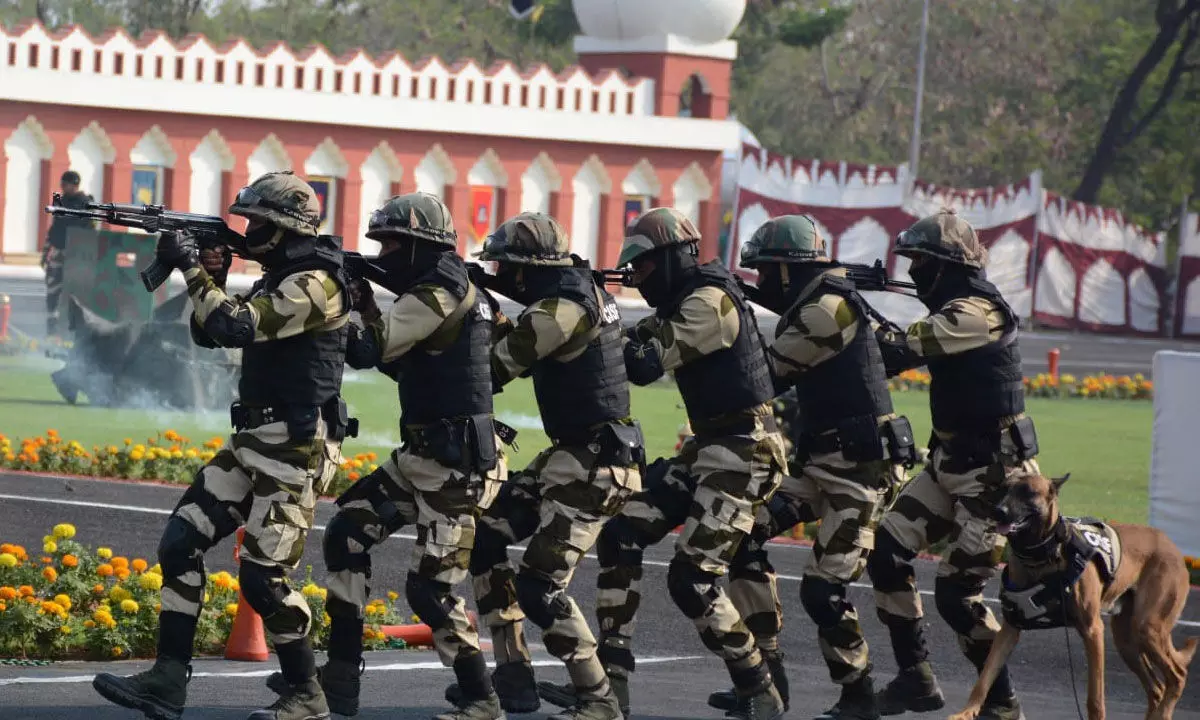
Smart Security: Technology & Intelligence Integration
India’s security system is rapidly becoming technology-driven.
Major advancements include:
●Integration of agencies through NATGRID for real-time intelligence
●Expansion of cybercrime monitoring via Cyber & Information Security Division
●Use of data analytics in crime tracking and investigation
●Increased digital surveillance of terror funding networks
The report highlights that cybercrime, financial fraud, and digital threats are now being treated as national security issues, not just IT concerns.
Cracking Down on Terror Financing
Another major analytical highlight is India’s strong action against terror funding:
●Assets seized under multiple legal frameworks (UAPA, AML laws)
●International coordination with FATF, BIMSTEC, and other bodies
●Fake currency and funding networks closely monitored
This financial disruption strategy is weakening the backbone of terrorism.
Border & Infrastructure Development
Border areas are no longer just defense zones—they are becoming development corridors.
Key improvements:
●Border roads and fencing projects
●Floodlighting and surveillance systems
●Integrated Check Posts (ICPs) for trade and security
●Coastal security infrastructure upgrades
This ensures both:
◆ Strong national defense
◆ Economic growth in border regions
◆ Women Safety & Justice System Transformation
The report also highlights a strong push toward women-centric security reforms:
●Faster justice delivery systems
●Integration of forensic and criminal databases
●Increased use of IT in investigations
●Dedicated Women Safety Division
This reflects a shift toward citizen-focused policing, especially for vulnerable groups.
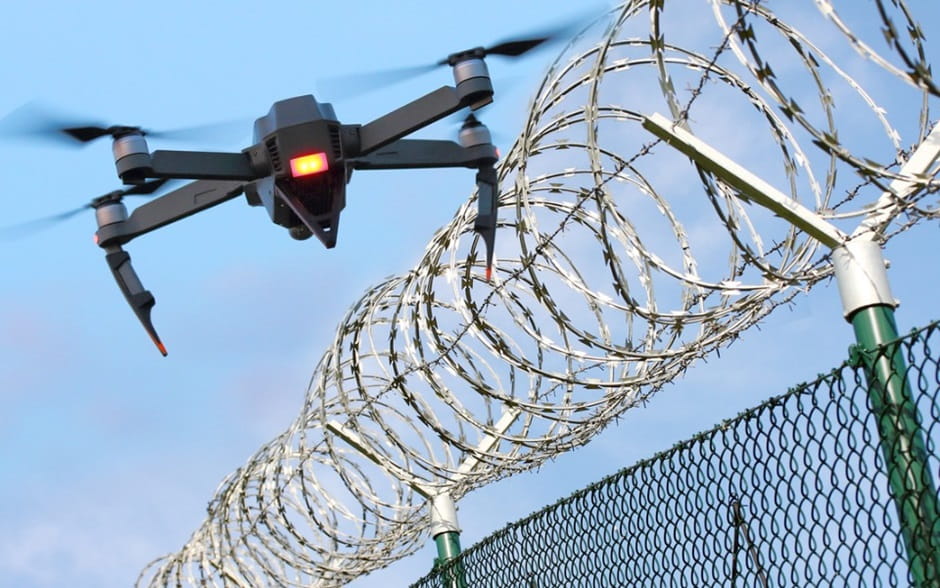
Governance Analytics: A More Efficient System
One of the biggest transformations is in governance itself:
◆ 1117 security clearance proposals processed in 2024
◆ Faster decision-making in sensitive sectors
◆ Better Centre-State coordination
◆ Real-time monitoring of threats
This shows that India is moving toward a data-backed governance model, where decisions are faster, smarter, and more transparent.
Conclusion: From Control to Capability
The MHA Annual Report 2024–25 is not just a summary of activities—it is a blueprint of India’s evolving security philosophy.
India is moving from:
◆ Reactive response → Predictive intelligence
◆ Force-based control → Development-led stability
◆ Isolated systems → Integrated digital ecosystem
With strong analytics, infrastructure development, and technology integration, India is building a future-ready security system that balances safety, growth, and governance.