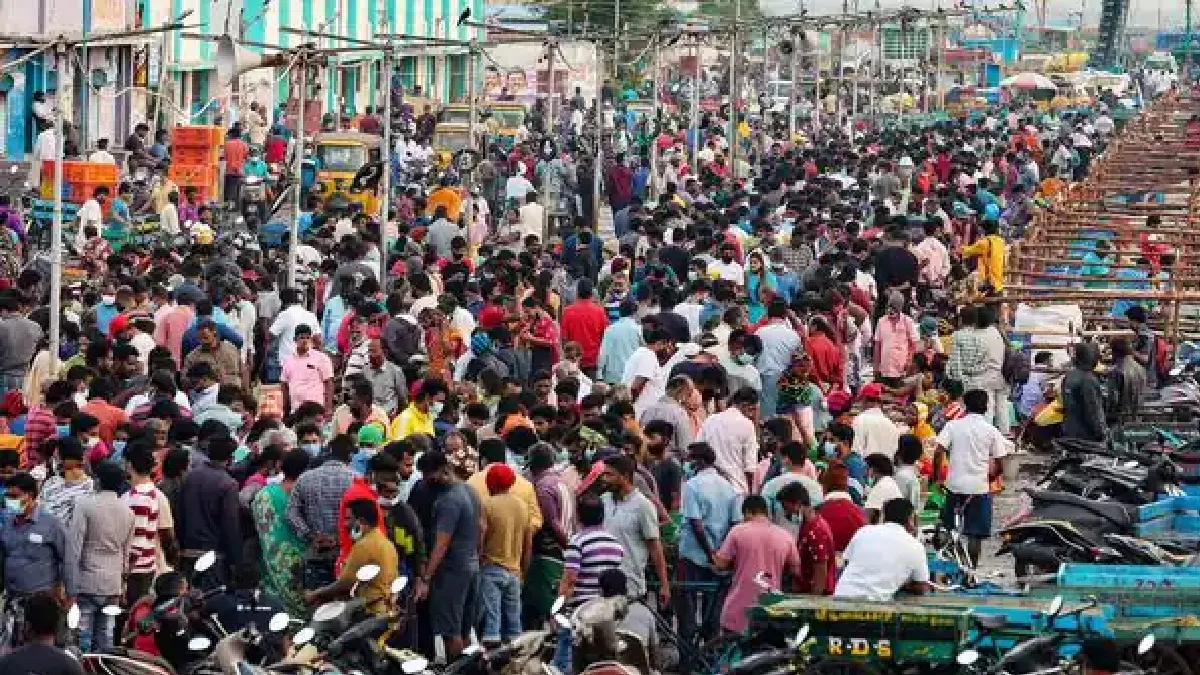
After implementing major reforms like the Uniform Civil Code (UCC) and anti-cheating laws, the government of Uttarakhand is now exploring another significant policy move—a potential population control law.
The proposal is still at a discussion stage, with the state government reportedly seeking guidance and approval from higher authorities before taking any formal step.
If pursued, this could become one of the most debated legislative moves in recent times.
How the Proposal Emerged
The discussion around population control gained momentum during a recent assembly session, where a ruling party MLA raised concerns about changing demographic patterns in the state.
The issue was presented as a long-term governance and resource management challenge, prompting calls for a structured policy response.
While some policymakers supported the idea, opposition voices termed it controversial, calling for deeper evaluation.
The Core Concern: Demographic and Resource Pressure
Supporters of the proposal argue that:
Rapid population growth can strain state resources
Welfare schemes may face increasing pressure
Infrastructure planning becomes more complex
The debate also includes concerns about regional population imbalance and migration trends, particularly in border and plains areas of the state.
However, experts often note that such issues require data-driven and inclusive policy approaches.
Policy Ideas Under Consideration
Though no official draft has been released, discussions have included possible measures such as:
●Limiting eligibility for certain government benefits based on family size
●Linking subsidies and welfare schemes to population norms
●Creating awareness and incentives for smaller families
It is important to note:
These are discussion-level ideas, not confirmed policy decisions.
Political vs Social Debate
The proposal has triggered a wider debate beyond politics.
Supporters believe:
●It will help manage long-term development
●It can ensure better allocation of resources
●It aligns with sustainable population practices
Critics argue:
●It may raise ethical and social concerns
●It could lead to selective targeting or misuse
●Population control should focus on education and awareness, not restrictions
This makes the issue both politically sensitive and socially complex
National Context: A Larger Conversation
Population control has been a recurring topic across India, especially in states facing rapid urbanization and resource challenges.
However, India’s overall fertility rate has been declining steadily, according to multiple national surveys.
This raises an important policy question:
Should governments focus on restriction-based laws or development-driven solutions?
What Happens Next
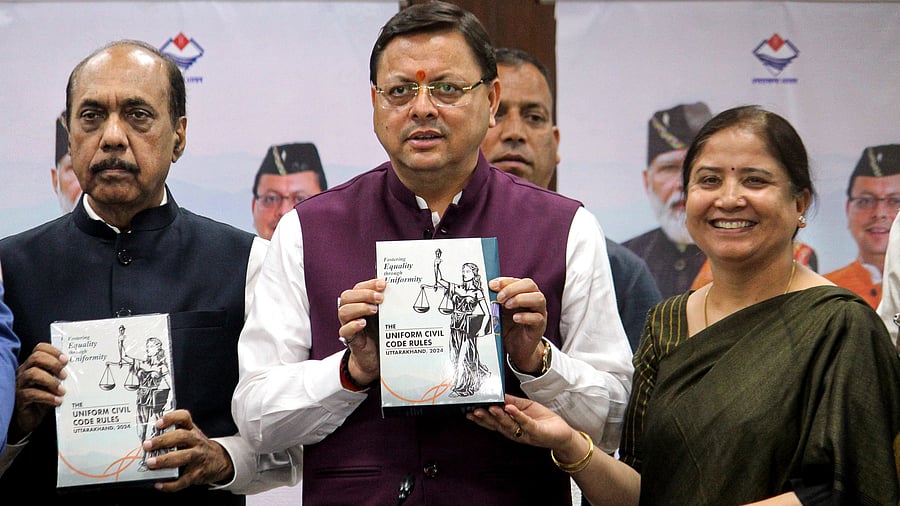
The state leadership, including Chief Minister Pushkar Singh Dhami, has indicated that:
●The proposal is still under consideration
●More discussion and analysis are required
●No final decision has been taken yet
This suggests that the issue is still in a consultation phase, not implementation
Analytical View: Why This Matters
This development highlights a broader governance trend:
●States are increasingly experimenting with bold policy ideas
●Social issues are becoming central to political discourse
●Public opinion is playing a key role in shaping decisions
The outcome of this discussion could influence:
●Future legislation in other states
●National-level debates on population policy
The idea of a population control law in Uttarakhand is not just a policy proposal—it is a reflection of evolving governance priorities.
It sits at the intersection of:
●Development
●Demographics
●Social equity
As discussions continue, the real challenge will be finding a balance between regulation, rights, and long-term sustainability.