The long-standing tension between the United States and Iran is no longer just about military threats or nuclear concerns. It is increasingly about something deeper—control over systems, supply chains, and global influence.
In recent years, Iran has quietly moved toward building self-reliance under pressure, especially in critical sectors like healthcare, pharmaceuticals, and strategic technology. What appears on the surface as a regional conflict is, in reality, a much larger shift in global power dynamics.
And this shift is beginning to create discomfort—not just politically, but economically and strategically.
The Hidden Development: Iran’s Push for Self-Sufficiency
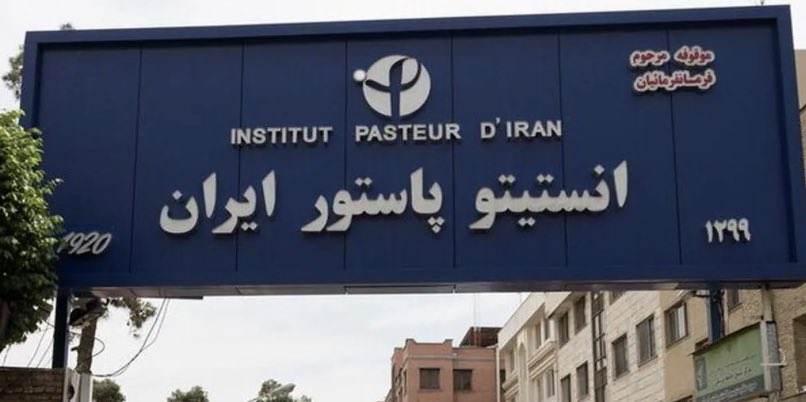
Despite decades of sanctions, Iran has managed to build internal capacity in areas where it was expected to struggle. From producing medicines domestically to developing its own COVID vaccine, the country has shown signs of operating without depending heavily on Western systems.
This matters because global influence is often built on dependency. When a nation reduces that dependency, it becomes harder to pressure, isolate, or control.
Sanctions were designed to weaken economic and industrial capacity. Yet, over time, they have also forced Iran to develop parallel systems—its own production, its own supply chains, and its own alternatives.
That transformation is not just economic—it is strategic.
The Global Impact: Why This Development Is Raising Concerns
The consequences of this shift are already being felt beyond Iran’s borders.
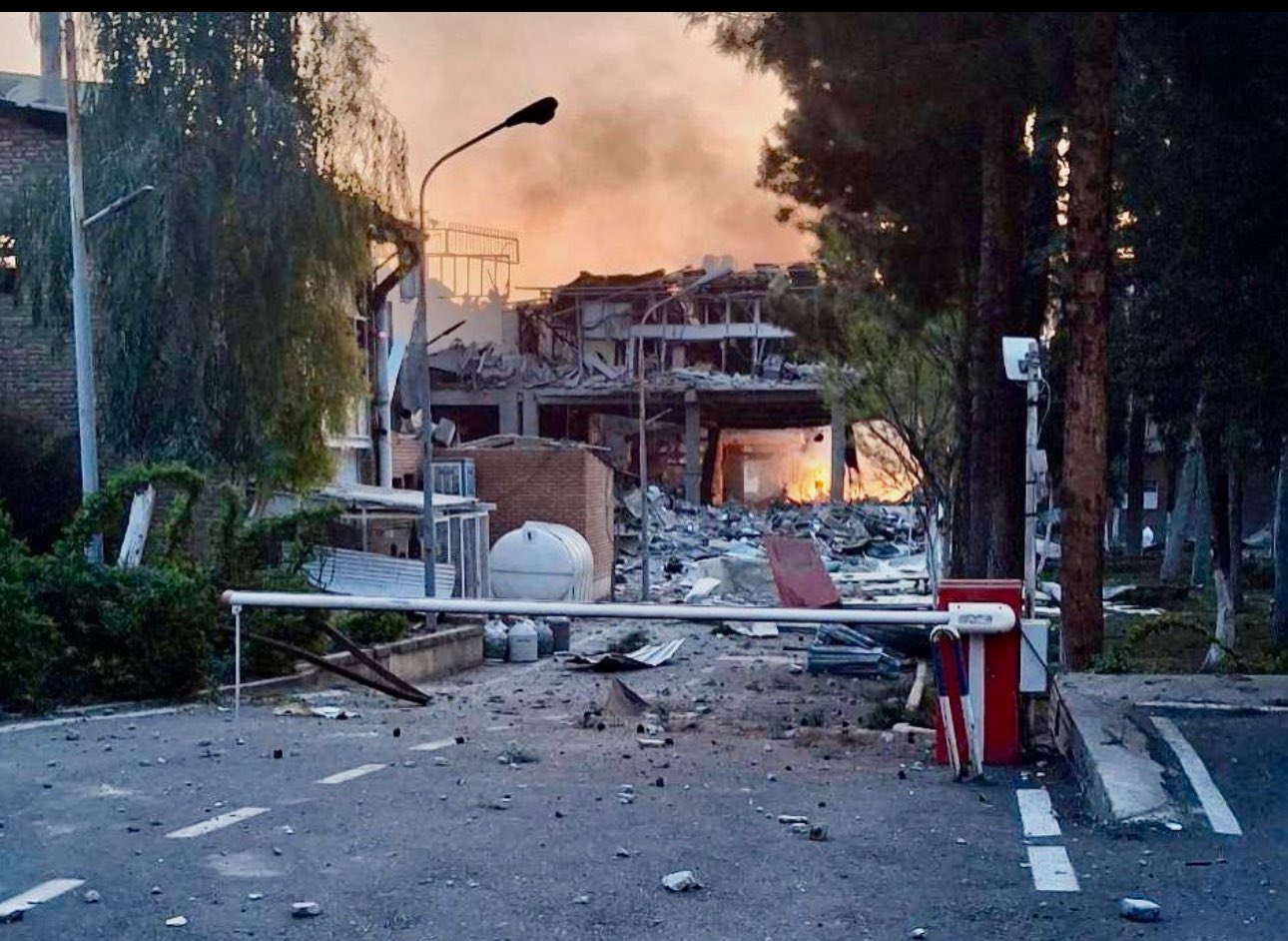
The ongoing tensions involving the U.S., Israel, and Iran have begun to disrupt global pharmaceutical supply chains, affecting the availability of essential medicines like cancer drugs and insulin across multiple regions.
This disruption highlights something critical:
◆Iran is not isolated anymore—it is embedded in global systems.
Any escalation now affects:
●Global trade routes (especially near the Strait of Hormuz)
●Medicine and raw material supply chains
●Costs of healthcare logistics worldwide
Experts have already warned of rising transport costs and delays in life-saving drugs due to instability in the region.
This means the issue is no longer local—it has become global leverage.

The Sanctions Paradox: Pressure That Creates Resistance
For decades, the United States has relied heavily on sanctions to control Iran’s behavior. These sanctions have targeted banking, trade, oil exports, and financial systems.
While officially exempting medicines, the reality has been more complex. Restrictions on banking and logistics have indirectly limited access to drugs, raw materials, and medical equipment, creating shortages and price spikes.
In some cases, drug prices have surged dramatically, and access to critical treatments has been disrupted.
But here’s the unintended outcome:
◆Instead of collapsing, Iran adapted.
Sanctions didn’t just weaken the system—they forced innovation under constraint.
And that is where the real concern begins.
Why This Worries the U.S. and the Global System
The concern is not just about one country becoming stronger. It is about what that strength represents.
If a sanctioned nation can:
●Develop its own healthcare ecosystem
●Reduce reliance on global financial systems
●Build internal production under pressure
Then it challenges a larger global model—one where influence is maintained through economic control and access.
A self-reliant Iran signals a dangerous precedent for global power structures:
◆ That sanctions may not always work
◆ That alternative systems can emerge
◆ That dependency is not permanent
This is where economics, politics, and strategy intersect.
The Security Narrative vs The Strategic Reality
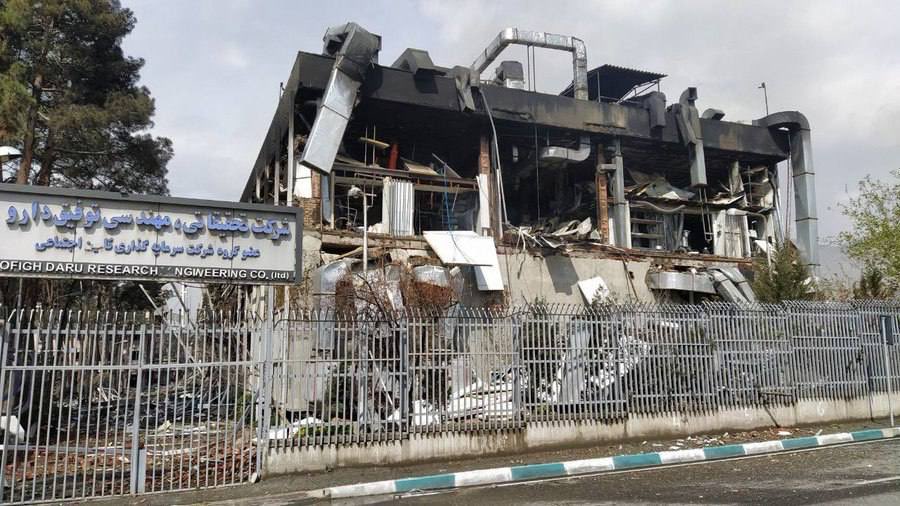
From the U.S. standpoint, actions against Iranian infrastructure are often justified through security concerns—particularly around “dual-use” facilities that could support both civilian and military capabilities.
But beyond that narrative lies a broader strategic reality.
Iran’s growing independence reduces leverage.
Reduced leverage weakens influence.
And weakened influence reshapes regional and global power balance.
That is why the conflict is no longer just about immediate threats.
It is about long-term positioning in a changing world order.
A World Watching a Bigger Shift
What is unfolding is not just a confrontation between two nations. It is a signal of a larger transformation:
A world where:
◆Supply chains are becoming geopolitical tools
◆Healthcare is linked to national power
◆Independence is seen as both strength and threat
Iran’s journey from isolation to adaptation is part of that story.
America’s response is another.
Between them lies a question the world is still trying to answer:
●Is this about security… or about control over the future?