A fresh political controversy has erupted after the Centre decided to convene Parliament just days ahead of crucial assembly elections in Tamil Nadu and West Bengal.
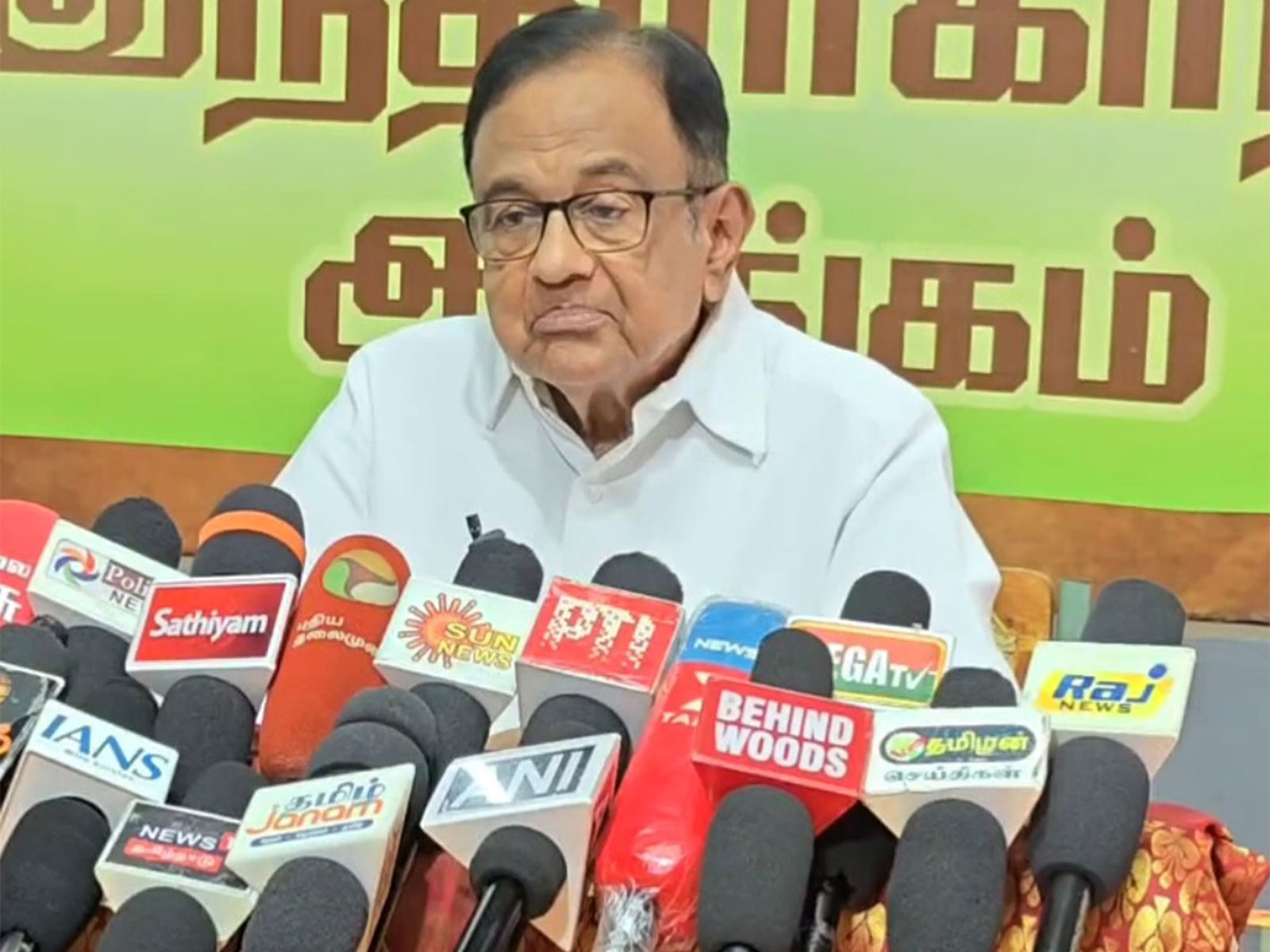
Senior Congress leader and former Union minister P. Chidambaram has strongly criticised the move, calling it “mischievous” and urging opposition parties to resist it.
Timing of Session Raises Political Questions
The government has proposed reconvening Parliament between April 16 and April 18, while polling in Tamil Nadu and West Bengal is scheduled shortly after—on April 23 and April 29.
Chidambaram argues that this timing could effectively prevent several opposition MPs from participating in crucial parliamentary proceedings.
He pointed out that:
●Tamil Nadu has 39 MPs
●West Bengal has 28 MPs
Most of them belong to opposition benches
With elections around the corner, these MPs are expected to be actively campaigning in their constituencies, making it difficult for them to attend Parliament during those dates.
Allegation: Attempt to Sideline Opposition MPs
Chidambaram has raised a serious concern—that the timing may not be coincidental.
According to him, if important Constitutional Amendment Bills are introduced during this short session, opposition MPs from these states may be unable to participate in discussions or voting.
“How will these MPs participate and vote?” he questioned, hinting at a possible strategy to reduce opposition presence during critical legislative decisions.
Big Legislative Agenda on the Table
The proposed session is not routine—it carries major legislative significance.
The government is reportedly planning to introduce key bills, including:
●Expansion of Lok Sabha seats from 543 to 816
●Implementation of one-third reservation for women in Parliament and state assemblies
If passed, these changes could significantly reshape India’s political landscape.
The proposed increase in seats would raise the majority mark in the Lok Sabha to 409, altering electoral dynamics for future governments.
Political Stakes: High Impact, High Timing
The move comes at a politically sensitive time, with assembly election campaigns already underway.
For the ruling government, passing such landmark reforms could strengthen its narrative around structural reforms and women’s empowerment.
For the opposition, however, the concern lies in procedural fairness—whether all elected representatives get an equal opportunity to debate and vote on such crucial changes.
This controversy is not just about scheduling—it touches on deeper questions of democratic participation and political strategy.
◆ Is the timing a coincidence or a calculated move?
◆ Can major constitutional changes be debated without full representation?
As Parliament prepares to reconvene, the focus will not just be on the bills—but on the legitimacy of the process itself.