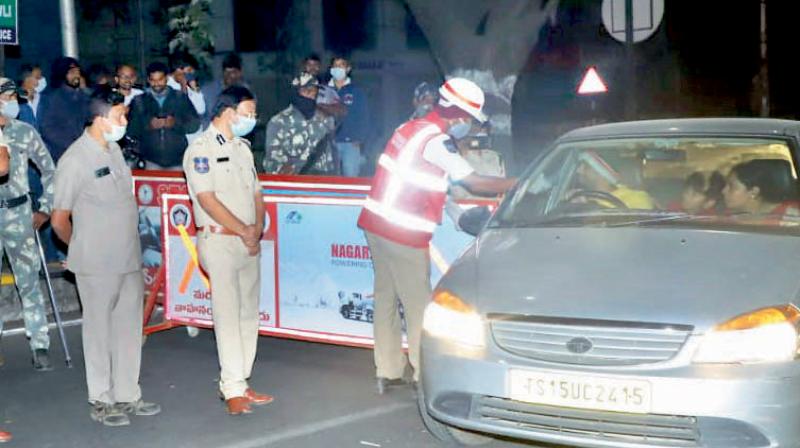
In a significant ruling reinforcing citizens’ rights, the Telangana High Court has made it clear that police officers do not have the authority to seize or detain vehicles solely because the driver is found intoxicated.
The court observed that while drunk driving is a punishable offence under law, vehicle seizure in such cases is not legally justified unless additional violations are involved. This clarification comes amid growing concerns over inconsistent enforcement practices during drunk driving checks.
What the Court Said
The High Court emphasized that:
●Police cannot confiscate or detain vehicles just because a driver is under the influence of alcohol
●Law enforcement must follow due legal procedure rather than taking arbitrary action
●The focus should remain on penalising the offence, not overstepping authority
This ruling reinforces that enforcement must remain within the boundaries of the law, even in cases involving public safety concerns like drunk driving.
What Happens If Driver Is Intoxicated?
The court also laid down a practical and citizen-friendly approach for such situations.
If a driver is found intoxicated and:
●No other person is present to take control of the vehicle
●The driver is not in a condition to drive safely
Then, police must:
●Inform a family member, relative, or friend of the driver
●Ensure the vehicle is handed over safely to an authorised person
This ensures road safety without violating property rights of the individual.
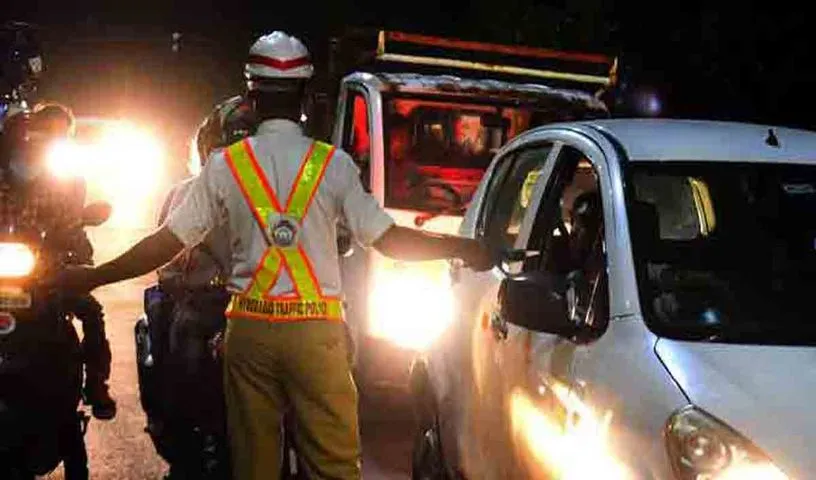
Balancing Safety and Rights
The ruling highlights an important balance:
●Road safety remains a priority
●But citizens’ rights cannot be compromised
●Drunk driving continues to attract penalties such as fines, license suspension, or legal action under the Motor Vehicles Act. However, automatic vehicle seizure is not part of standard legal provisions.
Why This Matters
This decision is crucial for both citizens and law enforcement agencies:
●Prevents misuse or overreach of police powers
●Brings clarity to enforcement practices across states
●Protects individuals from unnecessary inconvenience
●Promotes lawful and transparent policing
It also sets a precedent that could influence similar cases across India, especially in metro cities where drunk driving checks are frequent.