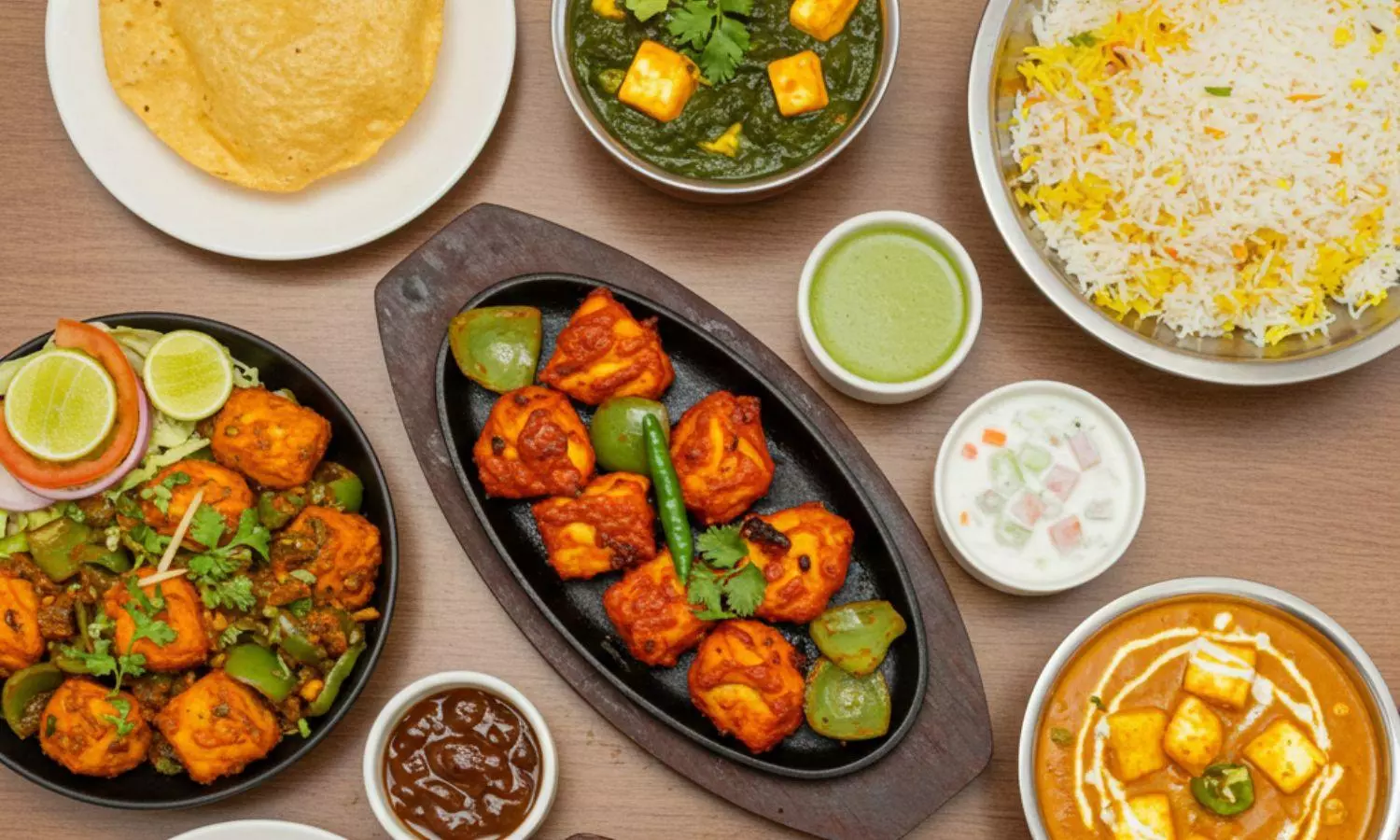
A viral social media post claiming that India is witnessing a “fake products epidemic” has reignited public concern over food safety. The post lists items like fake paneer, ghee, ketchup, sweets, and even branded products allegedly being sold across states, raising questions about the effectiveness of the Food Safety and Standards Authority of India (FSSAI).
While such claims have triggered anxiety, the reality is more complex than it appears online.
What’s Driving the Fear?
In recent months, multiple reports from different states have confirmed cases of:
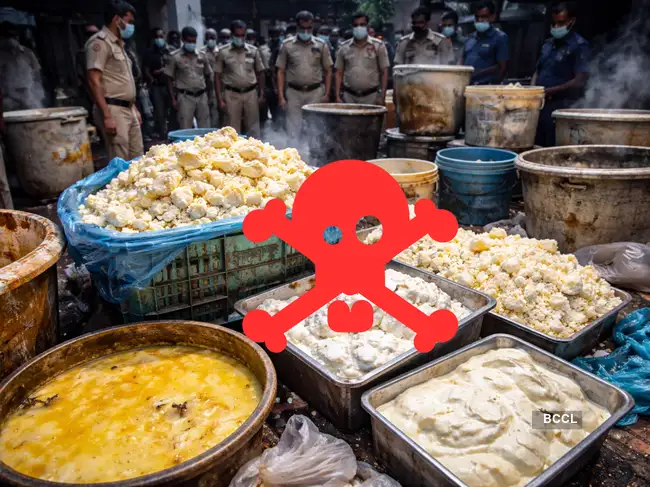
●Adulterated paneer made using synthetic chemicals
●Low-quality or fake ghee mixed with vegetable oils
●Substandard sweets prepared using harmful ingredients
●Duplicate packaged goods mimicking popular brands
These incidents, often highlighted in local raids and inspections, have contributed to the perception that fake food products are everywhere.
However, experts say this does not necessarily mean there is a nationwide “epidemic.”
The Role of Authorities
FSSAI and state food safety departments regularly conduct:
●Factory inspections
●Market raids
●Sample testing of food products
Every year, thousands of samples are tested, and a percentage is found to be substandard or adulterated. Action is taken through fines, license cancellations, and legal proceedings.
At the same time, authorities have increasingly focused on consumer awareness campaigns—teaching people how to identify poor-quality or suspicious products.
This has led to criticism that regulators are “passing responsibility” to consumers. But officials argue that awareness is a preventive tool, not a replacement for enforcement.
Is It Really an ‘Epidemic’?
Calling it an epidemic may be an exaggeration.
Food experts point out:
●India has a massive and fragmented food supply chain
●Small-scale, unregulated production units are harder to monitor
●Most major brands still follow strict quality controls
What we are seeing is likely a combination of:
●Increased enforcement and reporting
●Viral amplification on social media
●Genuine but localized cases of adulteration
The Real Risks Consumers Should Know
While panic may be overstated, the risks are real in certain segments:
●Loose or unpackaged food items
●Extremely cheap alternatives of branded goods
●Unknown local manufacturers without certification
These are areas where adulteration is more likely.
What Should Consumers Do?
Instead of relying on viral posts, experts recommend:
●Buying from trusted shops and verified brands
●Checking for FSSAI license numbers and proper labeling
●Avoiding unusually low-priced products
●Reporting suspicious items to local food safety authorities
India is not facing a full-scale “fake food epidemic,” but isolated cases of adulteration do exist and need attention. The real challenge lies in balancing enforcement, awareness, and responsible consumption.
The bigger takeaway:
Stay alert—but don’t let viral fear replace verified facts.