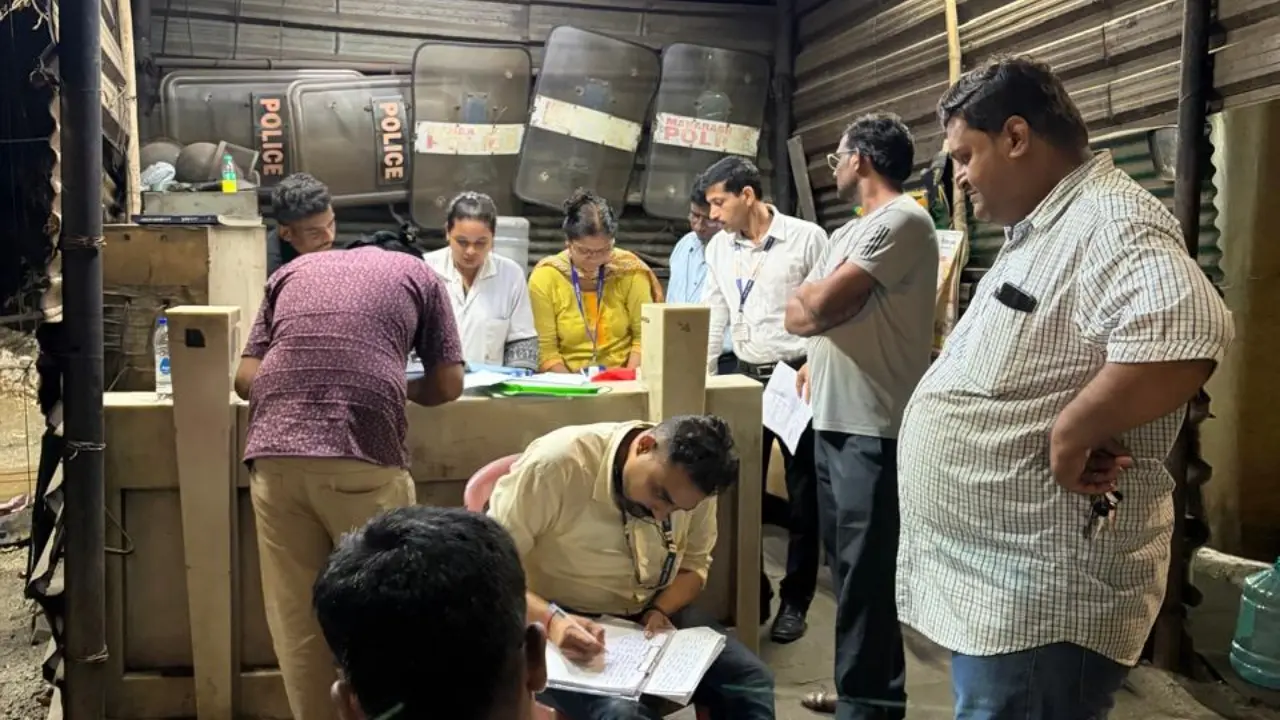
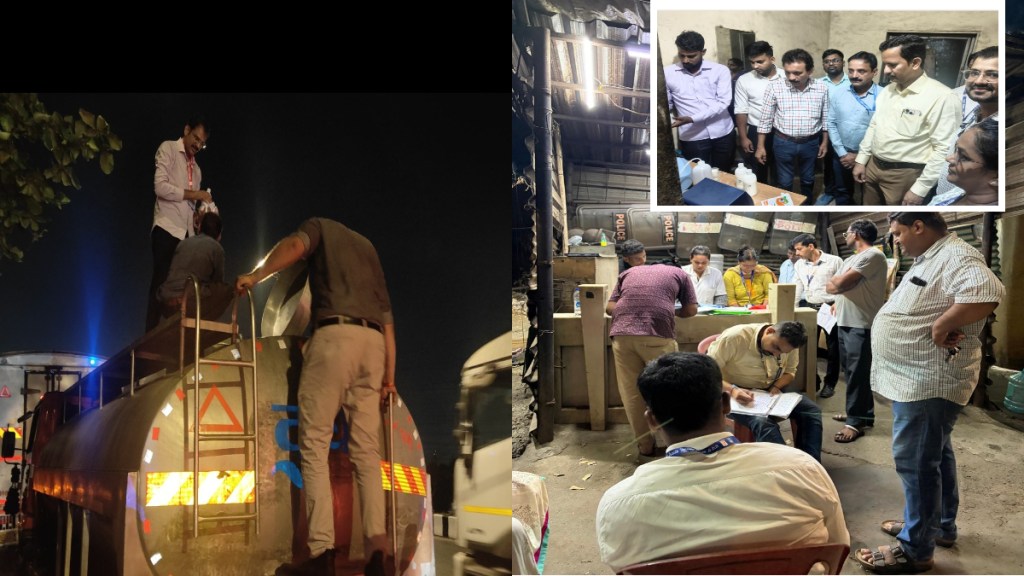
A major food safety crackdown in Mumbai has uncovered a disturbing racket involving adulterated milk, raising serious concerns about public health and regulatory enforcement. Acting on specific intelligence, the Food and Drug Administration carried out a raid and seized nearly 11,000 litres of suspected fake or adulterated milk, exposing what appears to be a well-organised supply chain operating in the city.
The operation has once again put the spotlight on food safety standards in urban India, where daily essentials like milk are being compromised.
What the Raid Revealed: A Hidden Network of Adulteration
Officials revealed that the seized milk was allegedly mixed with harmful substances to increase volume and profits. Such adulteration practices often involve:
●Synthetic chemicals
●Detergents or urea-like compounds
●Dilution with contaminated water
These substances can severely impact human health, especially among children and the elderly who rely heavily on milk as a daily nutritional source.
The scale of the seizure—11,000 litres—suggests that the network was not small or local, but potentially supplying across multiple areas.
From Kitchen to Crisis: Why This Matters
Milk is one of the most consumed food items in Indian households. From morning tea to children’s nutrition, it forms a daily staple. The discovery of adulterated milk at such a scale raises urgent questions:
●How long was this supply chain active?
●How many households unknowingly consumed unsafe milk?
●Are similar networks operating in other cities?
Food safety experts warn that even low-level adulteration, when consumed regularly, can lead to serious long-term health issues, including digestive problems, toxicity, and organ damage.
Regulatory Action and Investigation Underway
The Food and Drug Administration has initiated a detailed investigation to trace the origin of the adulterated milk and identify all those involved in the supply chain.
Authorities are focusing on:
●Supply routes and distribution networks
●Storage and processing units
●Possible links to organised food adulteration syndicates
Strict legal action is expected under food safety laws, with officials indicating that more arrests and seizures could follow.
A Larger Pattern: Rising Food Adulteration Cases
This incident is not isolated. Across India, cases of fake or adulterated food products—from milk and paneer to spices and sweets—have been surfacing with increasing frequency.
Experts believe that:
●High demand and profit margins drive such illegal activities
●Weak monitoring in informal supply chains creates loopholes
●Consumers often lack awareness or tools to identify adulteration
This growing trend points toward a systemic challenge in ensuring food purity.
Public Trust at Stake
Incidents like these go beyond a single raid—they strike at the core of consumer trust. When essential food items are compromised, it creates widespread anxiety among the public.
For many families, the question is no longer about affordability or availability, but whether what they consume is even safe.