
A chilling crime inside a school hostel in Bihar has shaken the nation, after a five-year-old child was allegedly sexually assaulted and murdered by a staff member, exposing serious lapses in institutional safety.
The incident, reported from Jehanabad, has triggered outrage and renewed scrutiny of how children are being protected inside residential schools—spaces meant to ensure care, discipline, and security.
Inside the Incident: A Crime That Went Unchecked
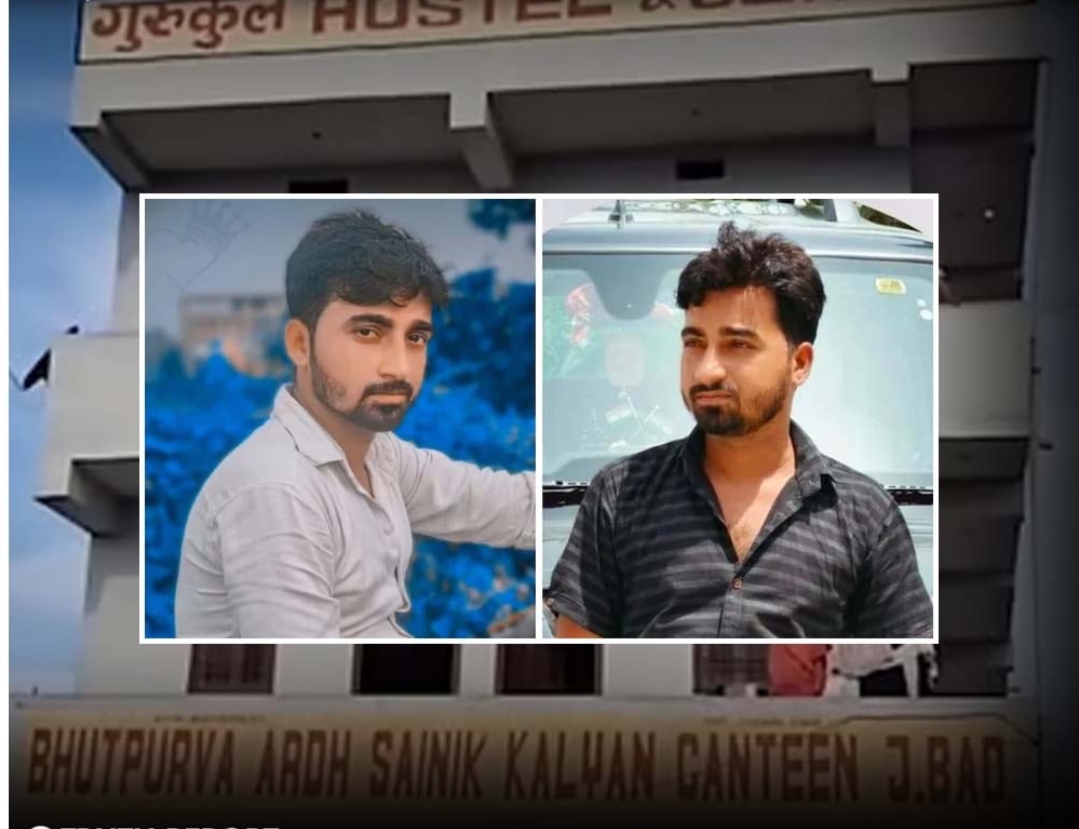
According to police investigation, the accused—identified as a canteen guard employed at the hostel—allegedly lured the child to his room during the night.
Investigators say the crime was followed by an attempt to destroy evidence. The child was found critically injured the next morning and rushed to hospital, where he was later declared dead.
The timeline of events has raised disturbing questions about how such a serious crime could occur inside a controlled hostel environment without immediate detection.
Arrest, Confession, and Expanding Probe
Police have arrested the accused, who has reportedly confessed during interrogation. A weapon believed to have been used in the crime has also been recovered.
Authorities have filed charges under:
●Murder
●Sexual assault
The Protection of Children from Sexual Offences Act
The hostel operator was also taken into custody earlier, while other staff members were questioned and later released.
Officials say the investigation is ongoing to determine whether institutional negligence or complicity played any role.
Warning Signs Ignored? Questions Over Staff Vetting
Preliminary findings suggest the accused had a troubled background and was working closely around children despite potential behavioural red flags.
This has sparked critical concerns:
●Were background checks properly conducted?
●Were children being monitored adequately inside the hostel?
●Were complaints or warning signs overlooked?
Experts point out that residential schools carry a higher responsibility, as parents entrust them with full-time care of minors.
A Systemic Failure, Not Just an Isolated Crime
While the accused is in custody, the focus is rapidly shifting beyond individual guilt to systemic accountability.
●The case highlights multiple layers of failure:
●Lack of real-time supervision inside hostels
●Weak safety protocols for young children
●Absence of strict staff screening mechanisms
●Delayed detection and response
Child rights advocates argue that such incidents are not isolated, but symptoms of a larger failure in enforcing safety standards across institutions.
Demand for Accountability and Reform Grows
The incident has sparked widespread anger among parents, activists, and civil society groups, with calls for:
●Mandatory police verification and psychological screening of staff
●CCTV surveillance in all sensitive areas
●Independent audits of residential schools
●Fast-track courts for crimes against minors
Authorities have assured strict action, but public pressure is mounting for long-term structural reforms rather than reactive measures.
A Disturbing Reflection on Trust and Responsibility
At its core, this case is about a broken trust. A place meant to nurture and protect young children became the site of an unthinkable crime.
It forces a difficult but necessary question—
Are institutions entrusted with children truly equipped to protect them?
As the investigation progresses, the focus will remain not just on punishment, but on whether this tragedy leads to real change in how child safety is enforced across India.