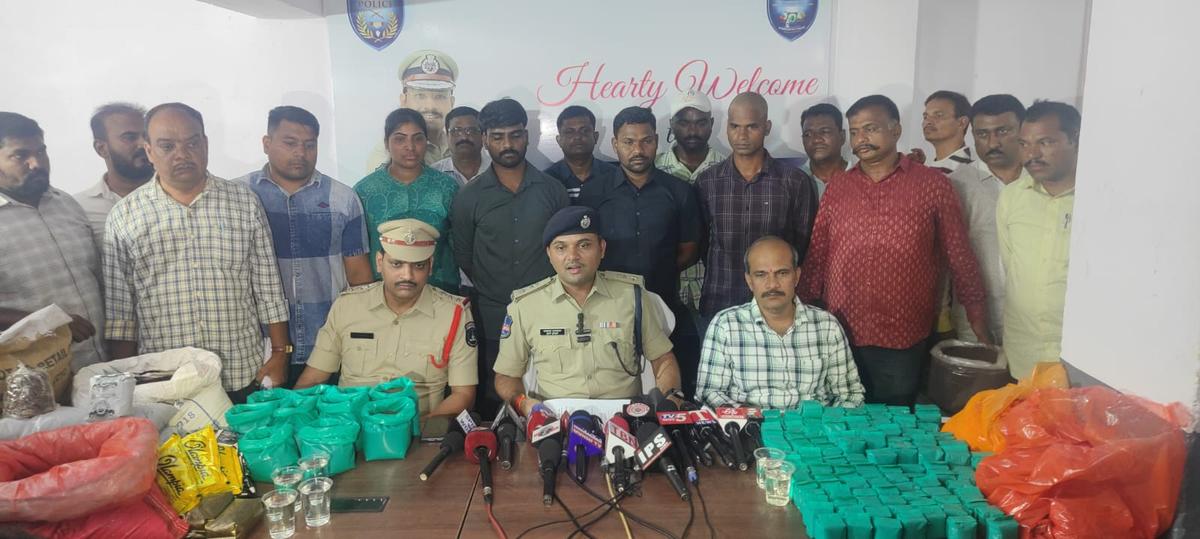
In a major crackdown on food adulteration, Telangana Police have busted a large-scale racket involved in manufacturing and selling fake tea powder, seizing 3,000 kg of counterfeit stock along with 1,500 kg of expired tea powder.Authorities confirmed that a gang has been arrested for running this illegal operation, which was spread across 10 different warehouses, highlighting the organized and large-scale nature of the network.
Expired Tea Recycled with Chemicals to Look Fresh
Investigations revealed a shocking method used by the accused. The gang allegedly sourced expired tea powder from Assam and West Bengal, which was then processed and mixed with artificial colors to make it appear fresh and market-ready.One of the accused even demonstrated the process to officials, exposing how expired and low-quality tea was transformed into sellable products.
Fake Tea Supplied Across Hyderabad and Nearby Districts
The counterfeit tea powder was being widely distributed in Hyderabad and surrounding districts, reaching local markets and possibly entering household consumption.
Officials believe that a significant quantity may have already been sold before the raid, raising concerns about public health and food safety.
Health Risks Raise Serious Concerns
Experts warn that consuming expired and chemically treated tea can have harmful health effects, including digestive issues and long-term toxicity risks.The use of artificial coloring agents further increases the danger, as such substances are often unregulated and unsafe for consumption.
A Growing Pattern of Food Adulteration
This case adds to a series of recent busts across India involving fake food products — from ghee and oil to packaged beverages — pointing toward a wider and deeply rooted adulteration network.
Wake-Up Call for Consumers and Authorities
The Telangana fake tea racket is a stark reminder that everyday products may not always be what they claim to be.
It also raises an urgent question —
how many such networks are still operating unnoticed?