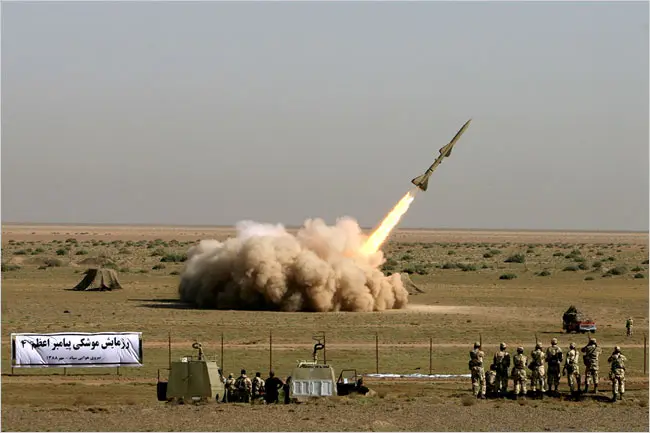
Fresh intelligence assessments are raising serious questions about the narrative surrounding recent military actions against Iran. Despite strong claims of “obliteration” made by Donald Trump, new reports suggest that Iran’s missile and drone capabilities remain largely intact.According to multiple U.S. media sources, Tehran continues to retain a significant portion of its strategic arsenal. This has created a widening gap between official political statements and intelligence-based evaluations, sparking debate over the true impact of the strikes.
Missile and Drone Arsenal Still Operational
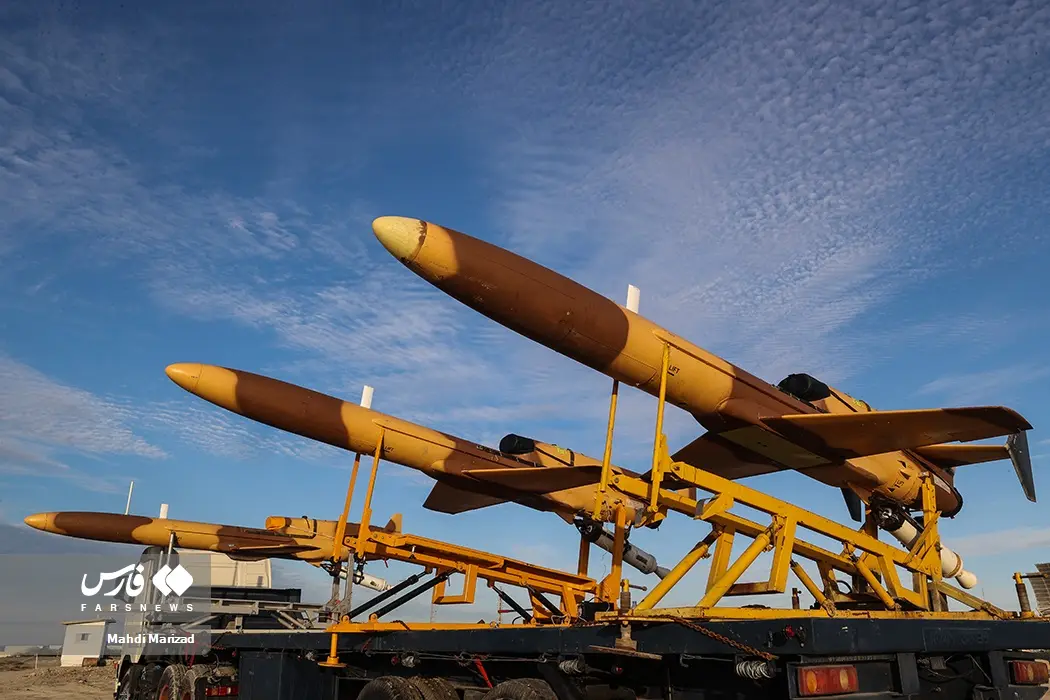
Contrary to claims of widespread destruction, intelligence inputs indicate that Iran’s missile systems and drone networks have not been fully neutralized. Reports suggest that a substantial portion of these assets was either relocated, concealed, or protected in underground facilities prior to or during the strikes.Experts believe that Iran’s long-standing strategy of building hardened underground bunkers and decentralized storage systems has played a crucial role in preserving its military capabilities. As a result, while damage may have been inflicted, the country’s ability to respond or sustain operations appears far from eliminated.
Defense Infrastructure Remains Active
Another critical point highlighted in the intelligence findings is that Iran’s broader defense network remains functional. Radar systems, air defense mechanisms, and command structures are reportedly still active, indicating that the country has retained its operational readiness.
This raises concerns among analysts about the effectiveness of the strikes and whether they achieved their intended strategic objectives. It also suggests that Iran’s military preparedness may allow it to absorb damage while maintaining deterrence capabilities.
White House Pushback and Political Messaging
The White House has strongly defended its position, pushing back against reports that question the scale of destruction. Officials have maintained that the strikes significantly degraded Iran’s capabilities and achieved key objectives.However, the divergence between political messaging and intelligence assessments has fueled skepticism. Critics argue that such discrepancies can undermine public trust and complicate international understanding of the conflict.
Narrative vs Reality: A Familiar Pattern?
The situation reflects a broader pattern often seen in geopolitical conflicts, where initial claims of success are later re-evaluated against ground intelligence. In high-stakes military operations, narratives are frequently shaped not only by facts but also by strategic communication and political positioning.In this case, the term “obliteration” has come under particular scrutiny. Analysts suggest that while it may serve as a powerful political statement, it may not accurately reflect the complex and layered reality of modern warfare, especially against a country like Iran with deep defensive infrastructure.
Strategic Implications for the Region
If Iran’s capabilities remain largely intact, the implications extend beyond just narrative credibility. It could affect:
●Regional security dynamics
●Future military strategies
●Diplomatic negotiations
●Global perceptions of U.S. military effectiveness
A partially degraded but still functional Iran could continue to influence regional tensions and maintain its strategic posture.
Is the Narrative Unraveling?
The emerging intelligence reports have shifted the focus from claims of decisive victory to questions of actual impact and transparency. While official statements emphasize success, the available data suggests a more nuanced outcome.The central question now is not just what happened during the strikes —but how accurately it has been communicated to the world.As more details continue to surface, the Iran conflict narrative faces increasing scrutiny. Whether this leads to a reassessment of strategy or remains a contested interpretation will depend on how facts, politics, and perception evolve in the coming days.