
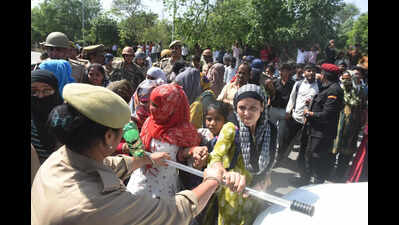
In a significant move following intense protests by factory workers, the Noida administration has announced a series of labour-friendly measures aimed at restoring stability across its vast industrial ecosystem. The decisions come after two days of demonstrations over low wages and working conditions, reflecting growing discontent among workers.
Key Reforms Announced After High-Level Meeting
The decisions were finalised during a joint meeting held at the Noida Authority office in Sector 6. The meeting was attended by District Magistrate Medha Rupam, Authority CEO Krishna Karunesh, Police Commissioner Laxmi Singh, along with senior labour department officials.
After extensive discussions with industrial units and worker representatives, the administration rolled out a comprehensive framework to address grievances and improve working conditions.
Weekly Off and Double Pay for Extra Work
One of the most important announcements is the mandatory weekly off for all workers. If any worker is required to work on their designated weekly holiday, they must be paid double wages.
Similarly, overtime work will also now be compensated at twice the regular rate, ensuring fair payment for extended working hours.
Officials have made it clear that industries must strictly comply with these norms.
Salary Timeline, Bonus and Medical Cover
To ensure financial security and predictability for workers, the administration has directed that salaries must be paid by the 10th of every month.
Additionally, workers will receive their annual bonus before November 30, bringing clarity to long-standing concerns over delayed payments.
Factories have also been instructed to provide:
●Medical coverage
●Safe working conditions
●Respectful treatment at workplaces
A dedicated complaints mechanism, including a committee led by a woman, will be established to address issues of harassment and workplace misconduct.
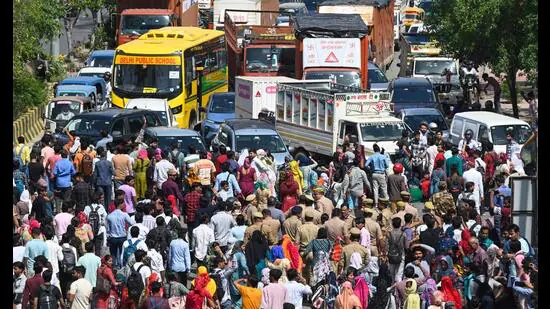
Why Protests Erupted in the First Place
The unrest in Noida’s industrial areas, especially Phase 2, was triggered by a sharp contrast in wages between neighbouring states.
While Haryana recently increased minimum wages from Rs 14,000 to Rs 19,000—a jump of around 35%—workers in Uttar Pradesh continue to earn approximately Rs 13,000.
This disparity intensified frustration among workers, leading to protests demanding better pay and conditions.
Helpline and Monitoring System Introduced
To ensure quick redressal of grievances, the administration has also set up a control room with multiple helpline numbers.
Regular inspections of factories will be conducted, and officials have been asked to maintain continuous dialogue between management and workers to prevent future conflicts.
A Crucial Move for a Massive Workforce
Noida and Greater Noida together form one of India’s largest industrial hubs, employing over 10 lakh workers across sectors such as electronics, IT/ITES, textiles, automobiles, and manufacturing.
Industry representatives have acknowledged worker concerns but cautioned that sudden wage hikes could impact businesses still recovering from pandemic losses and global disruptions.
Balancing Growth and Workers’ Rights
The administration’s latest move reflects an attempt to strike a balance—ensuring workers’ rights while maintaining industrial stability. With clear directives now in place, the focus shifts to enforcement and long-term impact.