
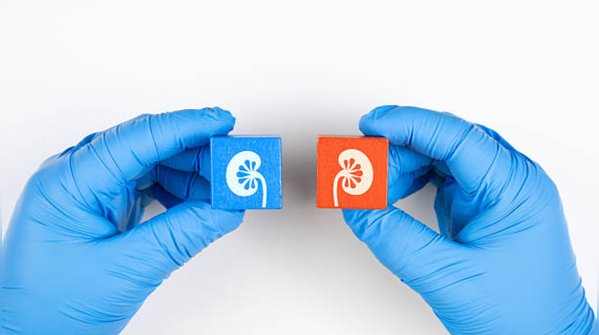
Kidney diseases are silently rising across India, and health experts are now warning that everyday lifestyle habits may be one of the biggest contributors. According to global research, nearly one-third of kidney disease patients are in India and China, highlighting the seriousness of the issue.
Dr. Shalabh Agrawal, a senior specialist at CK Birla Hospital, Gurgaon, has identified five common daily habits that can gradually damage kidney function without obvious symptoms.
A Silent Health Crisis
Kidneys play a crucial role in filtering waste, maintaining fluid balance, and regulating blood pressure. However, chronic kidney disease (CKD) often develops silently, with symptoms appearing only at advanced stages.
Health data suggests that millions of Indians are already affected, and lifestyle choices are increasingly becoming a major risk factor alongside diabetes and hypertension.
Excess Salt Intake Increases Risk
A high-salt diet is one of the biggest threats to kidney health. Consuming excess sodium leads to water retention and increased blood pressure, which can damage the delicate blood vessels in the kidneys over time.
Despite recommendations to limit salt intake to around 5 grams per day, many people unknowingly consume more due to processed foods and restaurant meals.
Overuse of Painkillers Can Harm Kidneys
Frequent use of common painkillers like ibuprofen and diclofenac can reduce blood flow to the kidneys. These medicines interfere with natural processes that help maintain kidney function.
Over time, especially in older adults or those with existing conditions, this habit can lead to serious kidney damage.
Not Drinking Enough Water
Inadequate water intake reduces urine output, allowing toxins and minerals to accumulate in the kidneys. This increases the risk of kidney stones and other complications.
Staying properly hydrated helps the body flush out waste effectively and keeps kidney function stable.
Ultra-Processed Foods Add Hidden Stress
Regular consumption of packaged snacks, instant foods, sugary drinks, and processed meats exposes the body to high levels of sodium, phosphorus, and preservatives.
Studies have linked these foods to a higher risk of chronic kidney disease, making diet control essential for long-term kidney health.

Lack of Sleep Impacts Kidney Function
Sleep plays a vital role in regulating body functions, including kidney activity. Poor sleep quality or sleeping less than six hours a night can disrupt the body’s natural rhythm and increase the risk of kidney disease.
Experts emphasize that consistent, quality sleep is as important as diet and hydration.
Small Habits, Big Impact
Doctors highlight that kidney damage is often gradual and goes unnoticed for years. However, simple lifestyle changes such as reducing salt intake, staying hydrated, using medications responsibly, eating fresh foods, and getting enough sleep can significantly lower the risk.
Maintaining kidney health is not about drastic changes but about daily discipline and awareness.