
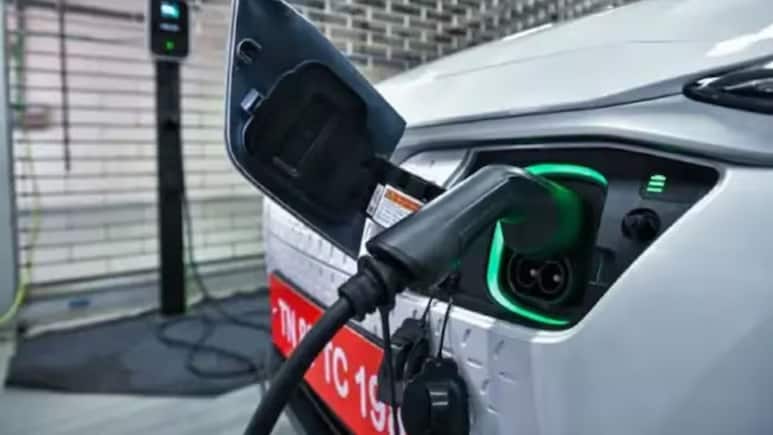
The Delhi government has rolled out EV Policy 2.0, aiming to aggressively reduce pollution by targeting old, polluting vehicles. Backed by a Rs 200 crore allocation, the policy marks a major shift—from simple purchase subsidies to a scrappage-linked incentive model.
The focus is clear: not just promoting electric vehicles, but actively removing older petrol and diesel vehicles from the roads.
Who Can Get the Rs 1 Lakh Incentive?
The headline benefit of the policy is an incentive of up to Rs 1 lakh for private electric car buyers, but it comes with strict eligibility conditions.
To qualify, buyers must purchase an electric car priced below Rs 15 lakh and be among the first one lakh applicants. More importantly, they must scrap an old vehicle and submit a valid “Certificate of Deposit” as proof.
The scrapped vehicle must be a Delhi-registered BS-IV or older petrol or diesel vehicle. Without this step, the top incentive cannot be claimed, making scrappage a central pillar of the policy.
Benefits for Two-Wheelers, Three-Wheelers & Retrofits
The policy is not limited to cars. It extends financial support across multiple EV segments to accelerate adoption.
Electric two-wheelers will now receive a flat Rs 10,000 incentive, replacing the earlier battery-linked subsidy. Electric three-wheelers in the L5M category are eligible for Rs 25,000 support.
In a notable move, the government is also promoting vehicle conversion. Owners can receive up to Rs 50,000 for retrofitting their petrol or diesel vehicles into electric ones using certified kits, encouraging cost-effective transition.
Tax Benefits Extended Till 2030
The policy continues to offer strong tax incentives to EV buyers. Vehicles priced up to ₹30 lakh will enjoy a complete waiver on road tax and registration fees until March 31, 2030.
However, higher-priced EVs will no longer receive these exemptions, signalling a focus on making electric mobility accessible to the mass market rather than luxury buyers.
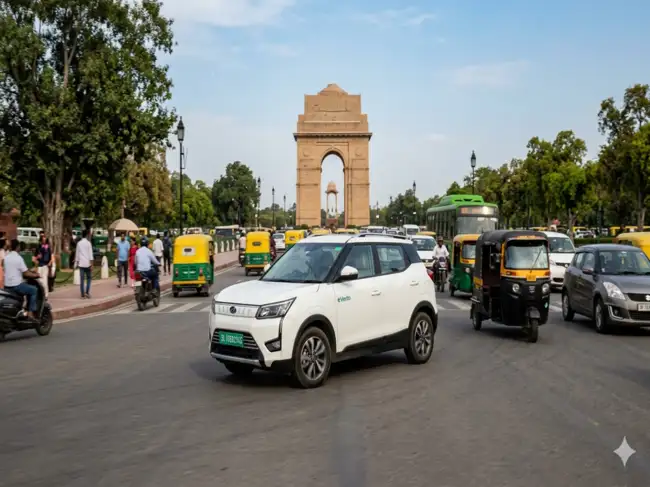
Massive Investment in EV Infrastructure
Beyond incentives, the government is investing heavily in building a robust EV ecosystem. A total transport budget of Rs 8,374 crore has been allocated to support infrastructure and fleet expansion.
Delhi plans to significantly scale up its electric bus fleet—from the current 4,400 buses to 5,800 by FY27, with a long-term target of 7,500 buses. Charging infrastructure will also be expanded to support the growing number of EVs on the road.
Policy Targets Pollution at Its Root
Unlike previous policies, EV Policy 2.0 directly links incentives to removal of old, high-emission vehicles, addressing one of the biggest contributors to urban pollution.
By combining financial incentives, infrastructure expansion, and scrappage requirements, the government aims to create a cleaner, more sustainable transport system.