
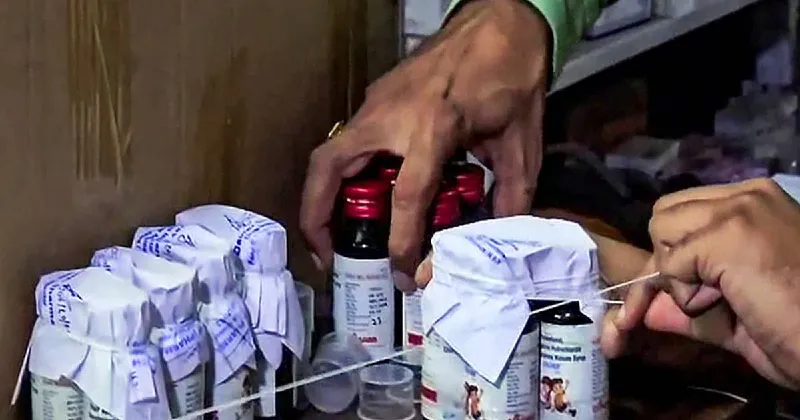
The Central government is preparing to bring a significant change to India’s pharmaceutical regulations by amending the Drugs Rules, 1945. The Ministry of Health and Family Welfare has released a draft notification proposing the removal of the term “syrup” from Schedule K, a move aimed at making drug regulations clearer, stricter, and more effective in the public interest.
The draft has been issued under the Drugs and Cosmetics Act, 1940, following consultations with the Drugs Technical Advisory Board (DTAB). The government has invited public objections and suggestions within 30 days of the notification’s publication, after which a final decision will be taken.
What Is the Proposed Change?
According to the draft rules, the government plans to delete the word “syrup” from Serial Number 13, Entry Number 7 of Schedule K in the Drugs Rules, 1945. Schedule K lists drugs that are exempted from certain licensing requirements. Removing “syrup” from this category means that some liquid formulations may now come under stricter regulatory oversight.
Health officials say the move is intended to remove ambiguity in drug classifications and prevent misuse, ensuring better monitoring of medicines that directly impact public health.

Public Feedback Invited
The Health Ministry has clarified that all objections and suggestions will be carefully examined before finalising the amendment. Citizens and stakeholders can send their feedback to the Under Secretary (Drugs), Ministry of Health and Family Welfare, New Delhi, or through email within the stipulated time frame.
The ministry emphasised that the proposed amendment is designed to strengthen drug safety norms and safeguard the health interests of the public.
Another Major Health Decision
In a related development, the Health Ministry has also imposed a ban on the manufacture, sale, and distribution of painkillers containing more than 100 mg of Nimesulide. The decision was taken following recommendations from the Indian Council of Medical Research (ICMR), citing potential health risks.
Officials stated that higher doses of Nimesulide pose safety concerns, especially when safer alternatives are available. The government concluded that banning such formulations was both necessary and justified in the interest of public health.