
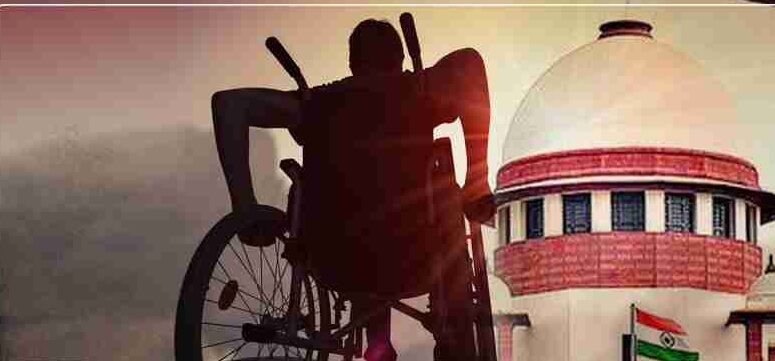
In a landmark move to protect the dignity of persons with disabilities, the Supreme Court on Monday sent a strong message to digital content creators, comedians, and social media influencers: “Humour cannot come at the cost of human dignity.”
Expressing deep concern over the growing trend of mocking individuals with disabilities and rare genetic disorders on social media, the Bench of Chief Justice Surya Kant and Justice Joymalya Bagchi urged the Centre to consider a stronger penal law, similar to the SC/ST Atrocities Act, to criminalise such disrespectful content.
The Court emphasised that freedom of expression cannot justify content that inflicts psychological trauma and perpetuates discrimination.
SC Calls for Independent Regulator for OTT & Social Media
With digital entertainment expanding faster than laws can keep up, the Court noted the urgent need for an independent, neutral regulatory authority to monitor offensive, obscene, or discriminatory content across:
●OTT platforms
●YouTube
●Instagram & Facebook
●Stand-up comedy shows
●Influencer-led online entertainment
The Ministry of Information & Broadcasting confirmed that new guidelines are already being drafted to address these issues. Solicitor General Tushar Mehta backed the move, stating that humour “must never turn into humiliation.”
SMA Foundation’s Petition Sparks Action
The case stems from a plea by SMA Cure Foundation, representing patients with Spinal Muscular Atrophy (SMA), a rare genetic disorder.
The petition flagged derogatory jokes allegedly made by popular comedians and influencers including:
Samay Raina
Vipul Goyal
Balraj Singh Ghai
Sonali Thakkar
Nishant Tanwar
The Court noted that mocking disability for entertainment is unacceptable and can have “long-lasting psychological and social consequences.”

SC’s ‘Constructive Punishment’: Comedians Ordered to Promote Disability Awareness
In a first-of-its-kind direction, the Supreme Court mandated that all comedians and content creators involved must:
●Conduct two shows every month
●These shows must highlight inspiring stories of persons with disabilities
●The events must raise funds for SMA patients and others battling similar disorders
The Bench clarified that the intention is not merely punitive, but to promote social responsibility among digital influencers who profit from online visibility.
Centre Gets Four Weeks to Propose Stronger Laws
The Centre has been asked to respond within four weeks, detailing:
●Whether current IT Rules are enough
●If a new penal law is needed
●How platforms will be held accountable
●Plans for a dedicated content-monitoring authority
The Court said every citizen, regardless of ability, deserves dignity and protection from targeted humiliation.
A New Era of Digital Accountability?
Legal experts note that the SC’s push could reshape India’s digital space by ensuring:
● Stronger safeguards for persons with disabilities
● Clear rules against mockery & discriminatory humour
● Higher accountability for influencers & OTT platforms
● More inclusive and respectful online entertainment
As India’s digital audience grows, the Supreme Court has made one thing clear: Entertainment must never come at the cost of empathy, respect, and human dignity.