
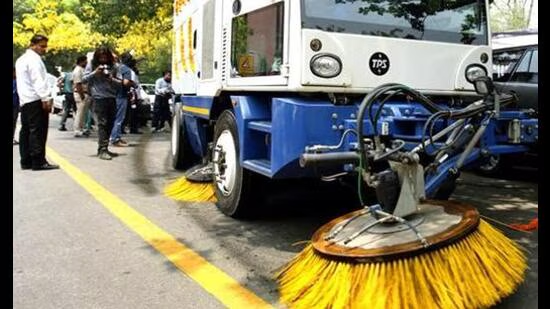
In a major step towards improving urban cleanliness and controlling air pollution, the Government has sanctioned a massive Rs 1,487 crore grant to the Municipal Corporation of Delhi (MCD) for strengthening the city’s sanitation infrastructure.
The funding, approved under the state’s grant-in-aid scheme, will be used to procure 70 compact mechanical road sweepers and 1,000 battery-operated litter picker machines, giving Delhi’s civic body a powerful new arsenal to fight dust, garbage, and pollution.
Why This Matters for Delhi
Delhi battles severe air pollution every winter, with dust from roads, construction debris, and waste playing a major role in deteriorating air quality. With this fresh investment, authorities aim to tackle pollution at its source — dirty roads and unmanaged waste.
Officials believe that these modern machines will significantly reduce dust re-suspension and manual littering, making city roads cleaner and safer.
Phased Funding, Faster Execution
The Rs 1,487 crore will be released in phases, with Rs 251 crore already allocated in the current financial year, ensuring that procurement and deployment can begin without delay.
Once fully implemented, MCD’s fleet of mechanical road sweepers will double from 70 to 140 machines, enabling better coverage across wider roads and high-traffic corridors.
Where Will These Machines Be Used?
The deployment plan is already clear:
Mechanical Road Sweepers
Will operate mainly on roads wider than 30 to 60 feet, especially major arterial and sub-arterial roads.
Battery-Operated Litter Pickers
Will be stationed in:
◆Major markets
◆Commercial zones
◆Tourist areas
◆High footfall public places
This will help maintain cleanliness in areas most visible and vulnerable to waste accumulation.
Smart Model: Outsourcing for Efficiency
Instead of buying and managing the machines directly, MCD will follow a service outsourcing model. Under this system:
●A third-party agency will supply, operate, and maintain the machines
●MCD will pay for services over time
This reduces upfront costs and ensures long-term operational efficiency
This model also ensures better maintenance, professional handling, and accountability.
Additional Steps to Control Dust & Waste
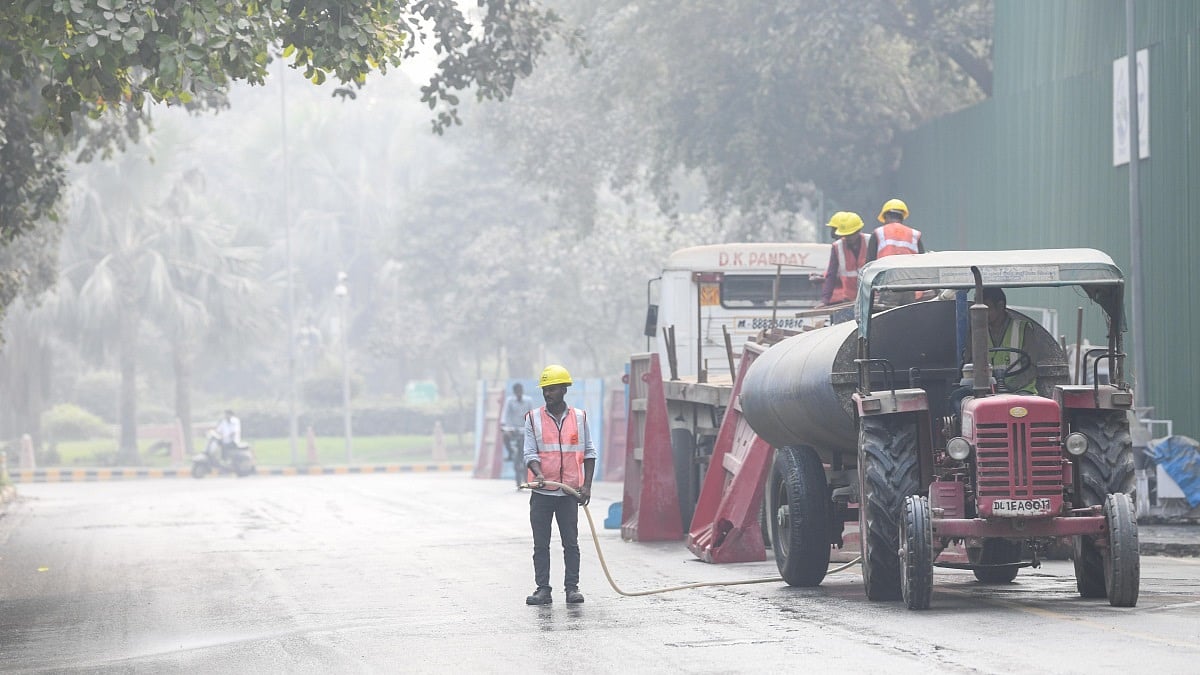
Along with new machines, the government has approved a parallel clean-up and monitoring plan:
◆Upgradation of 106 Construction & Demolition Waste Sites
Barricading
Signage
Sprinklers
CCTV cameras
◆Air Quality Sensors & Sprinklers at 40 Locations These will help in real-time pollution monitoring and dust suppression.
A Timely Move Before Winter
With winter approaching — the most critical season for Delhi’s air quality — this funding comes at a crucial time. Authorities are hopeful that the combination of technology, monitoring, and infrastructure upgrades will lead to visible improvements in cleanliness and air quality.
If implemented effectively, this move could become a game-changer in Delhi’s long-running battle against pollution and urban waste.