
Across the National Capital Region, a silent health crisis has been unfolding. Lifestyle-related diseases such as diabetes, high blood pressure, obesity, and heart ailments have been reported with increasing frequency. Hospitals and clinics across Delhi, Noida, Ghaziabad, Faridabad, and Gurugram have been witnessing a steady rise in patients seeking long-term treatment for these conditions.
Urban lifestyle habits are being blamed for the surge
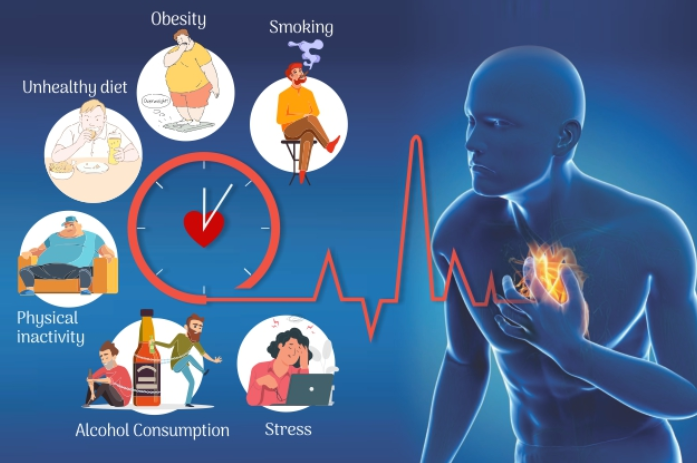
Medical experts have pointed out that sedentary lifestyles, irregular eating habits, and rising stress levels are major contributors to the problem. Long working hours, excessive screen time, and lack of physical activity have been commonly observed among urban populations. Processed food consumption and dependence on fast food have further worsened health outcomes.
Younger age groups are now being affected
What has caused greater concern is the increasing number of cases among people aged between 25 and 40 years. Doctors have reported that conditions earlier seen in older age groups are now being diagnosed in young professionals. Early onset of diabetes and hypertension has been linked to poor sleep cycles and work-related stress.
Official data highlights the seriousness of the issue
According to health surveys and hospital data, nearly one in four adults in urban India is estimated to be affected by hypertension, while diabetes prevalence continues to rise steadily. NCR, with its dense population and fast-paced lifestyle, has been identified as a high-risk zone. Public health officials have stated that lifestyle diseases now account for a significant share of outpatient and inpatient cases.
Financial burden on families continues to increase
Long-term treatment, regular medication, and diagnostic tests have placed financial pressure on households. Many families have been forced to allocate a large portion of their income toward healthcare expenses. Health insurance coverage has helped some patients, but out-of-pocket spending remains high for many.
Preventive care remains underutilised
Despite rising awareness, preventive health check-ups have not been widely adopted. Doctors have stated that many patients approach hospitals only after symptoms worsen. Early screening, which could prevent complications, is often ignored due to time constraints or lack of awareness.
Authorities promote awareness and preventive measures
Government health departments and hospitals have launched awareness campaigns promoting regular exercise, balanced diets, and routine health screenings. Yoga, morning walks, and stress management practices have been encouraged through public programmes. However, experts believe that sustained behavioural change is required for long-term impact.
Health experts call for lifestyle correction
Medical professionals have stressed that lifestyle diseases are largely preventable. Simple changes such as daily physical activity, reduced sugar and salt intake, proper sleep, and stress control have been recommended. Without timely action, experts warn that the health burden in NCR could worsen in the coming years.