
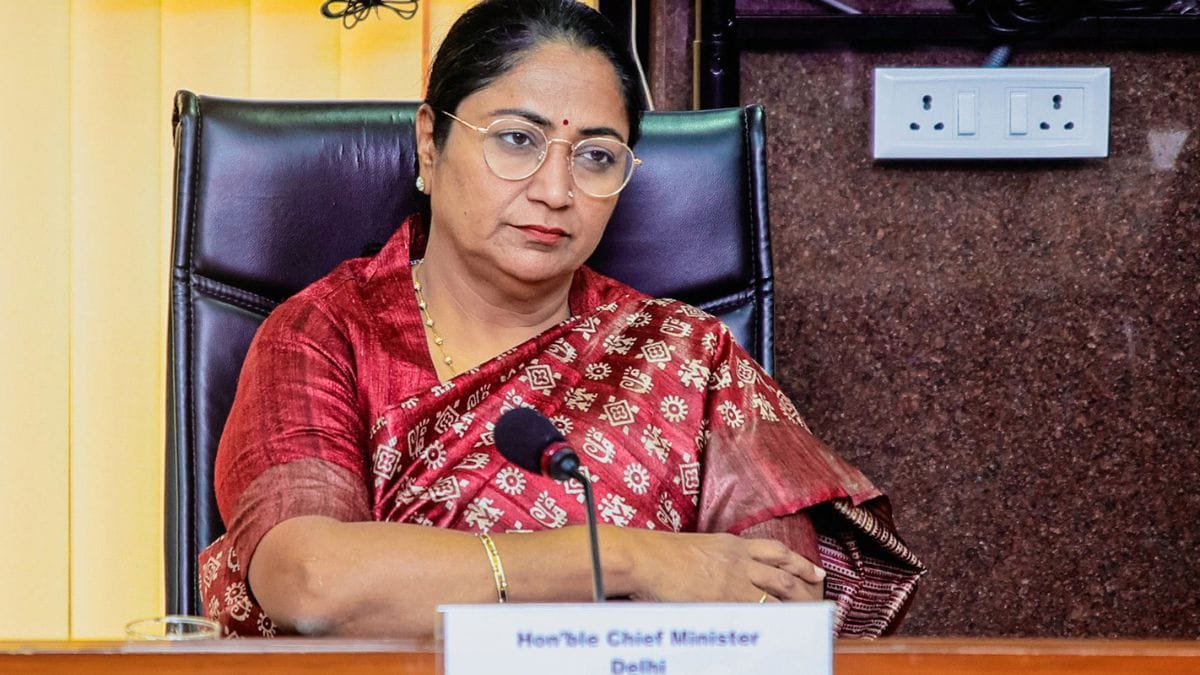
Under the leadership of Chief Minister Rekha Gupta, the Delhi government has taken a major and long-term step to provide permanent relief from waterlogging across the capital. As part of its vision to develop Delhi into a modern, global city, the government has fast-tracked the construction and expansion of four major trunk drains under the Drainage Master Plan.
Once completed, these projects are expected to significantly reduce waterlogging during the monsoon season across large parts of Delhi.
Focus on Drainage Master Plan
Chief Minister Rekha Gupta said that Delhi’s drainage master plan was originally prepared in the 1970s, but failed to keep pace with rapid urbanisation, population growth, and increased construction activities. As a result, the city’s drainage infrastructure gradually weakened.
She said the revised drainage strategy has been designed after carefully assessing Delhi’s geography, climate challenges, population pressure, and long-standing waterlogging hotspots.
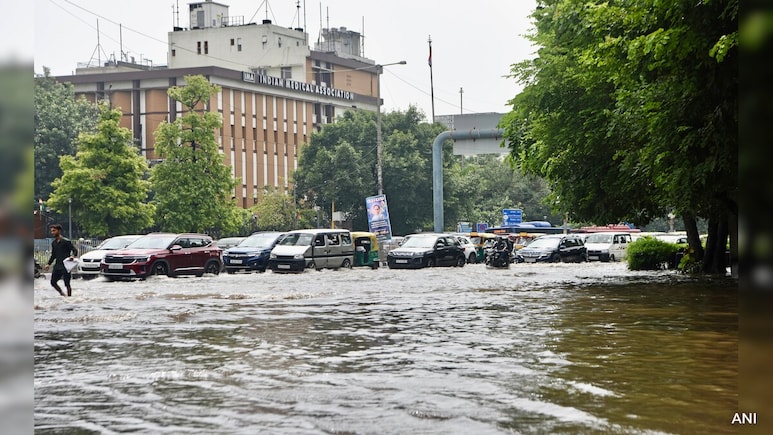
Priority to Chronic Waterlogging Areas
The Chief Minister emphasized that a city’s strength lies in its scientific and efficient drainage system. Accordingly, the Delhi government has prioritised areas that have suffered for years due to overloaded sewer lines, poor drainage, and repeated flooding during the monsoon.
New Trunk Drain Planned for Kirari–Mundka Belt
To address severe waterlogging in Kirari, Mundka, Bawana, and Nangloi assembly constituencies in West Delhi, the government has proposed a 4.5-kilometre-long trunk drain along the railway line.
The drain will start near Mundka Halt Station and connect to the Supplementary Drain
All secondary drains along the route will be integrated into the main system
An MoU has already been signed with the Railways for construction on railway land
The project is targeted for completion within 15 months after administrative and financial approvals
Reorganisation of Drainage in South Delhi
Persistent waterlogging between Lado Sarai T-Point and Pul Prahladpur has led to the inclusion of the MB Road Storm Water Drain Project in the master plan.
Implemented by the Public Works Department (PWD), the project includes:
●Replacement of old and damaged drains
●Transplantation of around 500 trees
●Construction of footpaths
●Shifting of electricity and water utilities
Relief for North-West Delhi
A 7,200-metre-long trunk drain from Kirari to Rithala (Rohini) is expected to resolve long-standing drainage issues in North-West Delhi.
About 600 metres of work has already been completed
Remaining construction had stalled due to pending tree-cutting permissions, which have now been resolved
War Footing Work on Rohtak Road
To eliminate waterlogging on Rohtak Road (NH-10), storm water drain construction and upgradation is being carried out at a fast pace.
The project covers both sides of the road from Nangloi Railway Metro Station to Tikri Border, aiming to improve storm water discharge during heavy rainfall.
Addressing Climate Change and Population Pressure
CM Rekha Gupta said the revised drainage master plan has been prepared keeping in mind:
●Rapid urbanisation
●Climate change-related extreme rainfall
●Rising population density
The primary objective is to ensure safe and swift discharge of rainwater into the Yamuna, providing a permanent solution to waterlogging.
She expressed confidence that once all four projects are completed, Delhi will see substantial and long-term relief from monsoon flooding, transforming the city’s urban resilience and infrastructure readiness.