

In a major step towards improving women’s safety and strengthening public security, the Delhi government has announced plans to install nearly 50,000 new CCTV cameras across the national capital. The ambitious project forms part of the Women Safety in Delhi scheme included in the 2025–26 budget, with a total estimated cost of ₹646.4 crore.
Officials said the project is designed to significantly expand the city’s surveillance coverage, particularly in areas that are poorly lit, crowded, or considered vulnerable from a law-and-order perspective. Once implemented, the initiative is expected to act as a strong deterrent against crime and improve response times during emergencies.
High-Tech Cameras for Dark Spots and High-Risk Areas
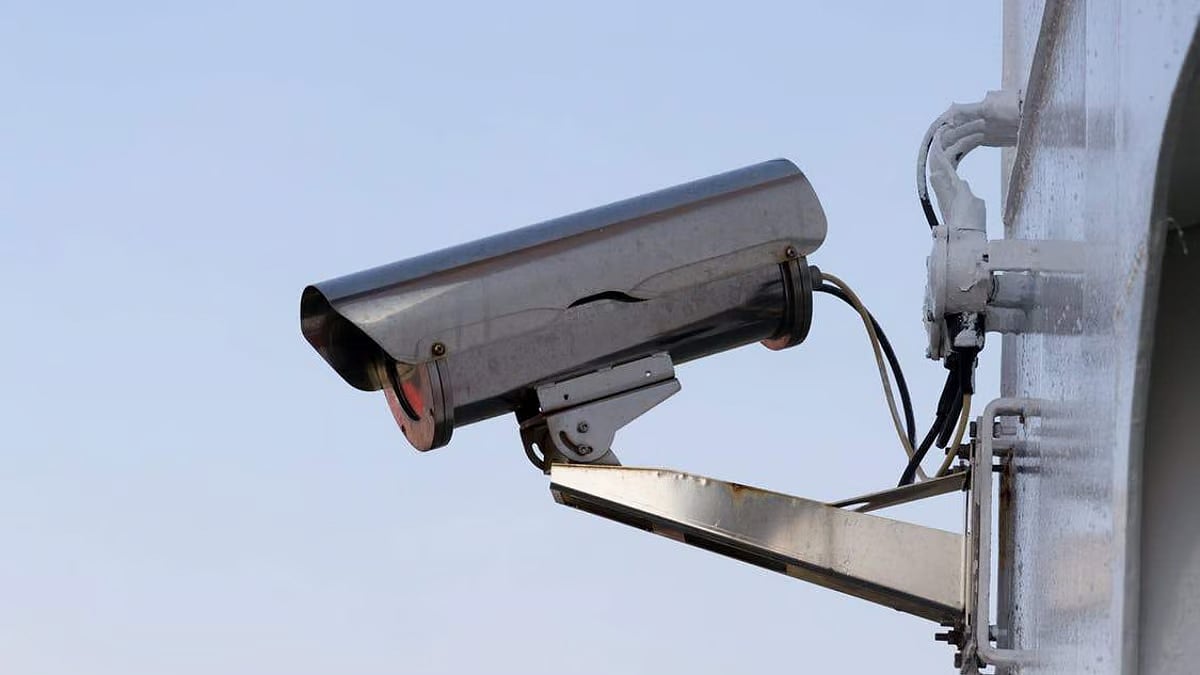
According to officials familiar with the plan, the surveillance network will include 49,900 four-megapixel IP bullet cameras, which will be installed at identified dark spots, residential lanes, market areas, bus stops, and other public locations where visibility and monitoring have remained weak.
In addition, the government plans to deploy 100 high-resolution Automatic Number Plate Recognition (ANPR) cameras. These cameras will be equipped with infrared and long-range capabilities to track vehicle movement, especially during night hours, and assist in identifying suspicious or criminal activity.
The ANPR system is expected to support investigations related to road crimes, stalking, hit-and-run cases, and other offences involving vehicles.
Robust Infrastructure and Power Backup
To ensure uninterrupted operation, the project also includes significant infrastructure upgrades. Officials said around 17,000 support poles will be installed to mount the cameras securely across different zones of the city.
To address frequent power disruptions, solar backup systems will be provided at nearly 5,000 locations, while more than 12,000 UPS units will be installed to keep the cameras functional during power cuts. This is expected to ensure round-the-clock monitoring without technical interruptions.
Central Command Centre for Real-Time Monitoring
A centralised command and control centre is a key component of the project. The facility will allow law-enforcement agencies to monitor live camera feeds in real time, store footage securely, and analyse data when incidents are reported.
Officials said the command centre will improve coordination between field staff and control rooms, enabling faster response to distress calls, accidents, and crime alerts. The system will also strengthen post-incident investigations by providing reliable visual evidence.
Phased Funding and Long-Term Rollout
While the project has received approval under the current budget, officials clarified that the expenditure will be spread over several years, with major financial outlays planned up to FY 2031–32. This phased approach will allow gradual expansion, system upgrades, and better integration with other smart-city initiatives.
Focused on Women’s Safety and Crime Prevention
The locations for camera installation will be finalised in consultation with the Delhi Police and the city’s Women and Child Development Department. Experts believe that focused surveillance in vulnerable areas, combined with better lighting and increased patrolling, can significantly reduce crimes against women.
Officials said the CCTV expansion is part of a broader safety strategy that includes improved street lighting, enhanced police presence, and better use of technology to create a safer urban environment.
Towards a Safer, Smarter Capital
Government officials expressed confidence that the large-scale CCTV deployment will not only deter criminal activity but also help in building public confidence, particularly among women commuters. Once fully operational, the project could become one of the largest urban surveillance networks in India, marking a major step towards a technology-driven approach to public safety in Delhi.