
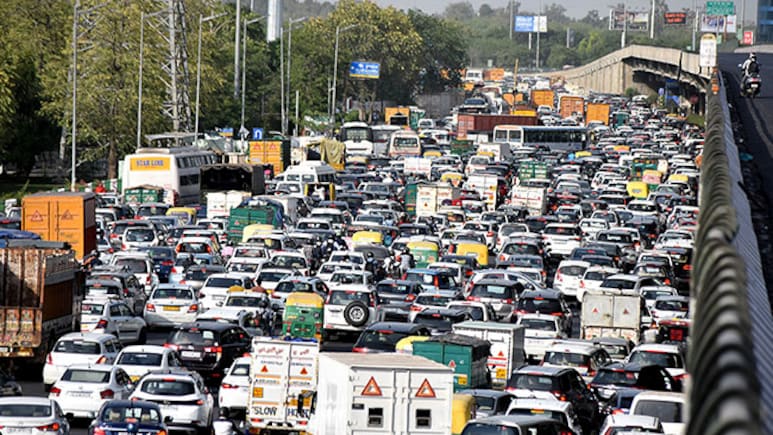
In a major move aimed at easing chronic traffic congestion and reducing air pollution, the National Highways Authority of India (NHAI) has initiated preparations to remove several MCD-operated toll plazas on highways passing through and around Delhi. The decision is expected to bring significant relief to daily commuters in the Delhi-NCR region, where traffic bottlenecks at toll points have long been a source of frustration.
Senior officials from NHAI, the Municipal Corporation of Delhi (MCD), and other concerned departments recently held a high-level meeting on January 10 to review the matter. During the meeting, NHAI reiterated concerns first raised in a formal letter sent in November, highlighting that toll plazas on city highways were directly contributing to traffic jams, road accidents, and rising pollution levels.
Despite repeated warnings, the toll plazas have remained operational, worsening the flow of vehicles on key entry and exit points of the capital.
Toll Plazas Identified as Major Bottlenecks
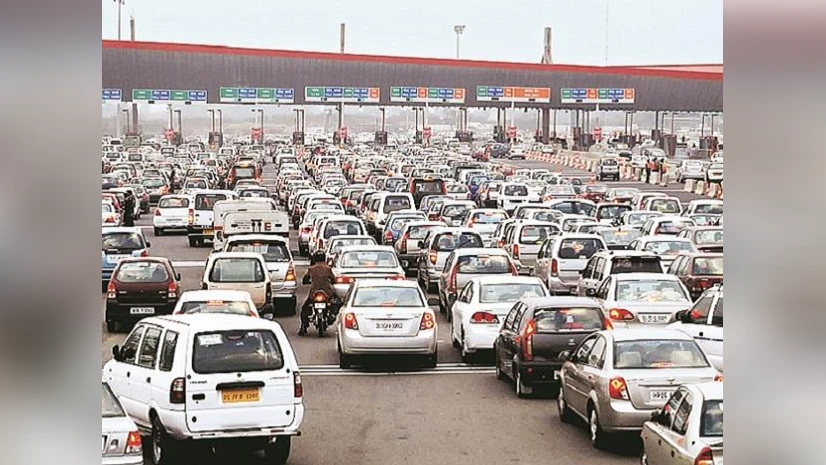
According to officials, vehicles slowing down or stopping at toll booths create long queues, especially during peak hours, leading to excessive idling and higher emissions. This not only increases travel time but also pushes Delhi’s air quality into dangerous zones.
NHAI has now submitted a detailed list of toll plazas to the MCD, directing their immediate removal. Among the most problematic is the Bijwasan toll plaza near Kapashera on the Delhi-Haryana border, close to the Dwarka Expressway. This location frequently witnesses long traffic snarls and poses a serious accident risk.
Other toll points marked for removal include those at Rajokri, Badarpur, Ranokri border on NH-48, NH-709 Delhi–Saharanpur highway, NH-44 Baghana toll, NH-148A Aya Nagar, and several stretches on the Meerut Expressway and UER-2 Jhajjar belt.
Crackdown on Unipole Advertisements Too
Alongside toll plazas, NHAI has also taken a firm stand against large unipole advertising hoardings installed along highways. Officials warned that if these structures are not removed promptly, NHAI will dismantle them independently and recover the full cost from the MCD.
The authority maintains that these unipoles obstruct visibility, distract drivers, and increase the risk of accidents, especially at busy intersections and curves.
Supreme Court Monitoring the Issue
The matter has already reached the Supreme Court, which in December directed authorities to consider relocating at least nine toll plazas at Delhi’s borders that cause severe congestion and pollution. However, despite judicial observations, little progress has been made on the ground so far.
Adding complexity to the issue is the collection of environment cess and commercial vehicle charges at these toll points by both NHAI and MCD, making revenue-sharing arrangements a sensitive subject.
What This Means for Delhi
If implemented swiftly, the removal of toll plazas could dramatically improve traffic movement on Delhi’s highways, cut waiting time, reduce fuel wastage, and lower emission levels. Urban planners believe this “highway unlock” could become one of the most impactful traffic reforms in recent years.
For now, commuters are hopeful that the long-promised relief from border bottlenecks is finally on the way.