
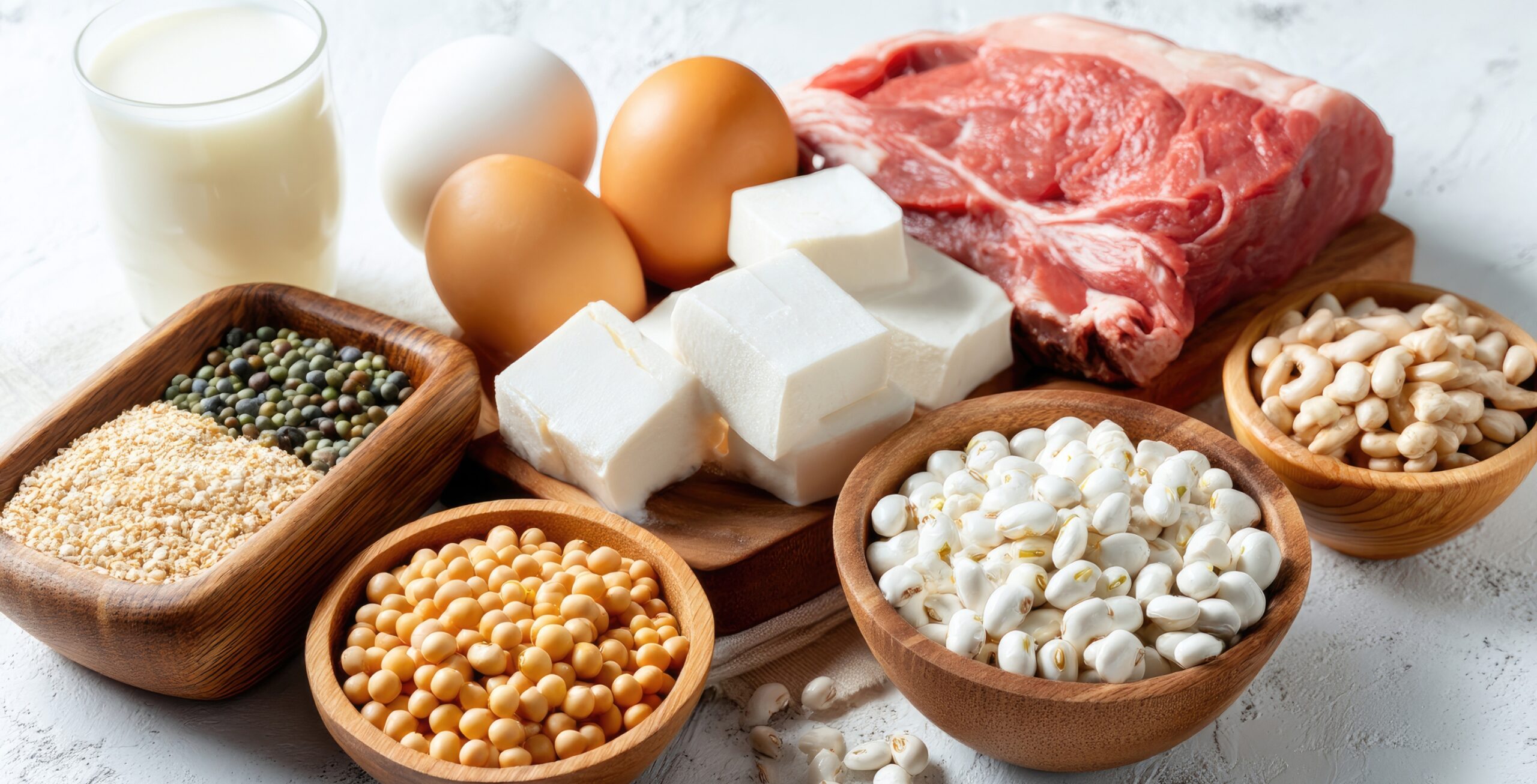
From protein-fortified cereals to high-protein snack bars and smoothies, the food industry is in the midst of a protein boom. Supermarket shelves are increasingly filled with products boasting “extra protein” as a selling point. But leading nutrition experts are now pushing back against this trend, warning that for most people, these added-protein products are not just unnecessary—they may also be misleading.
The Protein Myth
“Adding protein to foods is very beneficial—for the profits of that food. It is not based on health. It is not backed by science,” said Dr. Federica Amati, a nutritionist and researcher affiliated with Imperial College London and the ZOE health study. Her comments reflect a growing consensus among health professionals: the average adult already consumes sufficient protein through regular meals.
According to the World Health Organization, most adults need about 0.8 grams of protein per kilogram of body weight per day—an amount easily met through a balanced diet that includes eggs, dairy, lentils, nuts, or chicken. In fact, nutritionists note that people in affluent countries are often consuming far more protein than their bodies require.
More Isn’t Always Better
Nutritionists warn that added-protein products often come with hidden sugars, saturated fats, and unnecessary calories. “Many people see a ‘high-protein’ label and assume it’s automatically healthier,” said Amati. “But that’s not always the case.”
Excess protein consumption doesn’t necessarily translate into more muscle or better health. In the absence of strength training, surplus protein is often converted into fat or excreted by the body. Experts emphasize that muscle building depends far more on regular resistance exercise than on increasing protein intake beyond the recommended daily amount.
Whole Foods, Whole Nutrition
What’s often lost in the marketing of fortified products is the value of whole foods. Beans, lentils, seeds, yogurt, milk, and fish not only provide adequate protein but also offer essential nutrients like fiber, iron, and healthy fats—components not always found in ultra-processed protein snacks.
Moreover, nutritionists caution against relying on protein-enriched versions of typically indulgent items—like cookies or ice cream—as a health upgrade. “Just because your dessert has added protein doesn’t mean it’s good for you,” said Dr. Amati. “It’s still dessert.”
For Most, a Balanced Plate Is Enough
Unless someone is recovering from illness, undergoing intense athletic training, or experiencing age-related muscle loss, there is little need to seek out protein-enhanced foods. For the average person, a well-rounded diet—combined with regular physical activity—is more than sufficient.
As the market for protein products continues to grow, experts urge consumers to look past the buzzwords and remember that more isn’t always better. “We should be asking: Who really benefits from this protein obsession?” said Amati. “Because it’s not necessarily your body—it might just be the brand.”