
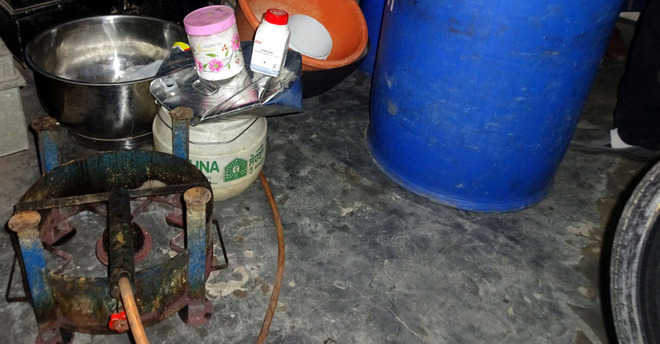
India is witnessing an alarming rise in food and medicine adulteration—an invisible crisis that is slowly poisoning millions. From fake cough syrups to synthetic paneer and ghee, from expired food being resold in hotels to low-quality spices mixed with toxic chemicals, the country’s safety net appears dangerously weak.
Even schoolchildren are not spared. Reports of frogs, snakes, and rotten meals in mid-day meals reveal a shocking collapse of oversight in systems meant to protect the most vulnerable.
Across markets, the threat is everywhere:
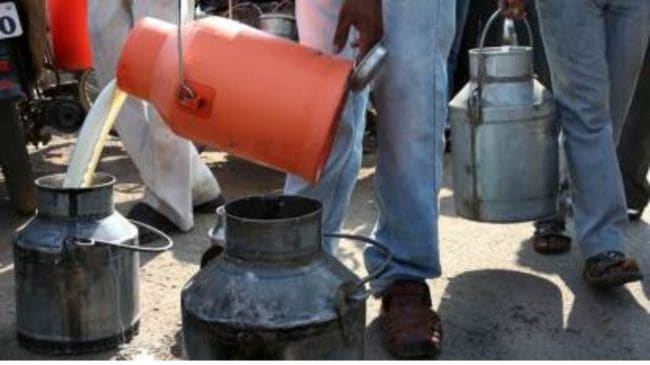
●Adulterated milk, paneer, and ghee openly sold as “pure” products
●Spices mixed with harmful dyes and industrial chemicals
●Roadside vendors cooking food in reheated, cancer-causing oils
●Shopkeepers changing expiry dates to pass off old stock as new
●Fake medicines still circulating with altered labels
●Raids happen, but within days, the same illegal business resumes
Experts say the root problem is the system itself—too few food inspectors, negligible monitoring, tiny penalties, and legal cases that stretch for years with almost no convictions. The result? Criminals see adulteration as a high-profit, low-risk industry.
Why has this menace grown so boldly?
Because:
●There is no fear of strict punishment
●Licences are rarely cancelled
●Oversight is minimal
●Public health is treated casually
●The system neither asks questions nor fixes accountability
The hard truth: In India, adulteration has become a booming industry because the rewards are huge and the risks are almost zero.
Unless tough laws, instant licence cancellation, strong surveillance, and fast-track courts become the norm, the lives of ordinary citizens will continue to be taken for granted.
A nation of 1.4 billion cannot afford food and medicine that are unsafe. The question now is — How long will we allow this silent danger to thrive?