
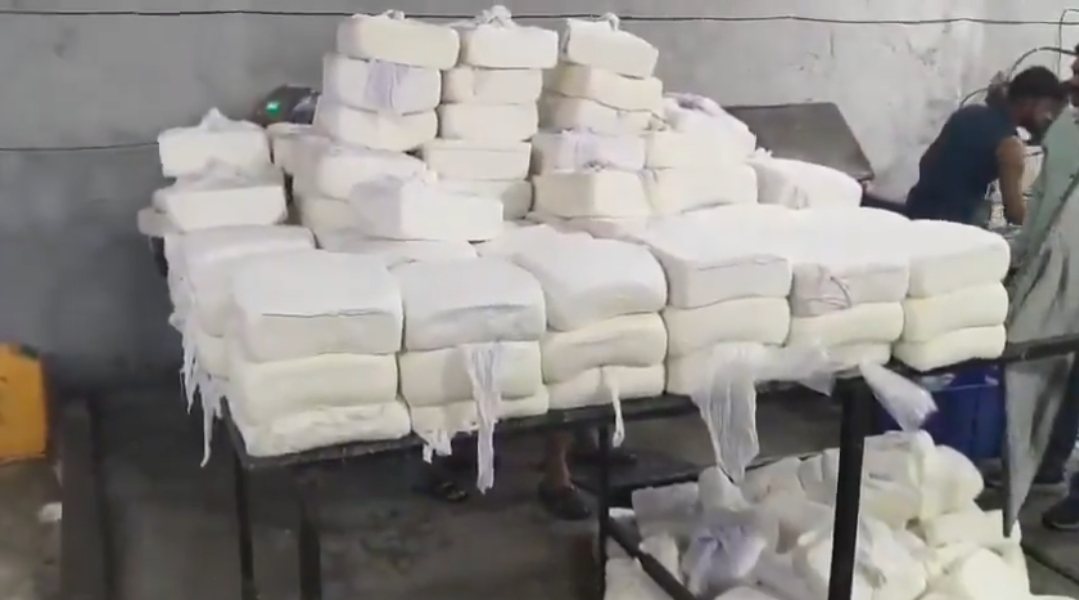
A shocking food safety violation has come to light in Surat, where authorities uncovered a factory producing fake paneer on a massive scale—without using even a single drop of milk.
The operation, allegedly run by Mahesh Sharma, was manufacturing nearly 400 kilograms of counterfeit paneer every day, raising serious concerns about public health and food safety standards.
The Fake Formula: What Was Being Sold as Paneer
Instead of milk, the so-called paneer was being made using a dangerous mix of:
palmolin oil, milk solid powder, water, and acid-based chemicals.
This synthetic combination was processed and shaped to resemble real paneer before being supplied to the market.
What makes the case alarming is not just the ingredients—but the scale at which this fake product was being consumed daily without detection.
Street Food Supply Chain Under Scanner
Investigations reveal that the fake paneer was primarily supplied to:
local fast-food vendors, rehdi-patri sellers, and small eateries.
These outlets unknowingly—or in some cases knowingly—used the product in popular street foods like:
paneer tikka, sandwiches, rolls, and curries.
This means thousands of consumers may have consumed chemically processed fake paneer over an extended period.
License Fraud: One Address, Another Factory
To avoid suspicion, the accused reportedly secured a license from FSSAI using a different location.
While the documentation showed compliance, the actual manufacturing unit was operating elsewhere—completely outside regulatory monitoring.
This loophole allowed the illegal factory to run undetected, highlighting serious gaps in enforcement and verification systems.
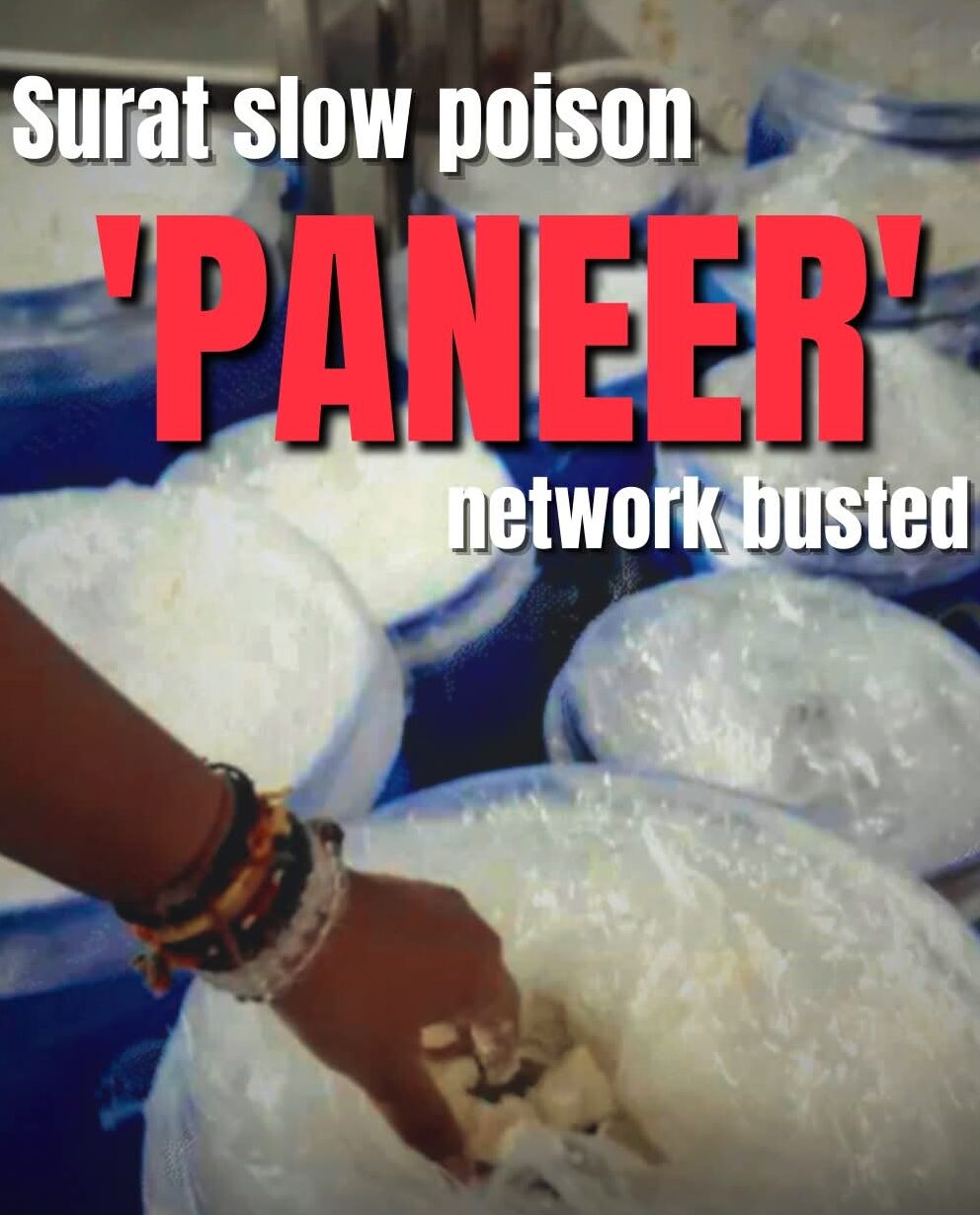
Two Years, 3 Lakh KG Supply: A Silent Food Scam
Authorities estimate that over the last two years, nearly 3 lakh kilograms of fake paneer may have been circulated in the market.
This is not just a case of food adulteration—it points to a large-scale supply chain manipulation, where low-cost synthetic products replaced genuine dairy items for profit.
Health Risks and Public Concern
Experts warn that such chemically processed paneer can pose serious health risks, including:
digestive issues, toxicity, and long-term organ damage if consumed regularly.
The use of acid and non-food-grade materials makes the product unsafe, especially when consumed unknowingly by children and regular street food consumers.
Bigger Questions on Food Safety
This case raises a critical question:
How many such illegal units are still operating unnoticed?
With rising demand for low-cost food supplies, the risk of adulteration is increasing—especially in unorganised sectors where monitoring is limited.
The Surat fake paneer case is not just about one factory—it is a warning sign.
When profit replaces quality, public health becomes the biggest casualty.
As investigations continue, the focus now shifts to tightening food safety enforcement and ensuring that what reaches people’s plates is safe, genuine, and trustworthy.