
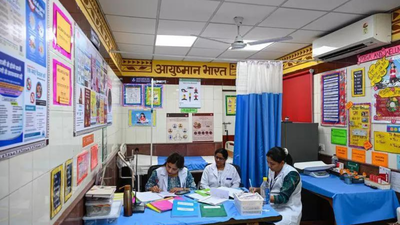
Delhi’s Arogya Mandir Clinics are steadily expanding across the capital, offering free medicines and primary healthcare services to thousands of residents. With 81 new centres inaugurated recently, the total number of operational clinics has reached 319 — part of the government’s larger plan to establish 1,139 such facilities citywide.
At a clinic in Kalkaji, 20-year-old Anjali from Govindpuri waits for her monthly tuberculosis check-up. Within minutes, she steps out with her prescription. “The doctors are cooperative, and medicines are free. It’s convenient for regular follow-ups,” she said.
Strengthening Urban Primary Healthcare
Previously known as Urban Ayushman Arogya Mandirs (UAAMs), these clinics aim to deliver accessible primary healthcare at the neighbourhood level. In addition to general consultations, several centres now offer testing for blood sugar, dengue and malaria.
Officials say the initiative is designed to reduce pressure on larger hospitals by addressing routine ailments and chronic disease management closer to residential areas.
At Amar Colony clinic, doctors report handling 60–70 patients daily. Common complaints include fever, cough, diabetes, blood pressure issues, vomiting and headaches.
Patients Flag Timing & Access Issues
Despite the expanded footprint, some patients have raised concerns over clinic timings. Official hours currently run from 8 am to 2 pm.
Amit Kumar, a 28-year-old labourer, said he struggled to consult a doctor after finishing work. “By the time I reach after 2 pm, doctors are not available. I had to take a day off,” he said.
Several visitors also pointed to occasional doctor unavailability and limited testing facilities at certain centres.
Doctors at some clinics declined to comment, stating they were not authorised to speak to the media. At Amar Colony, however, a doctor clarified that clinic hours are fixed by the government and can only be modified through official decisions.
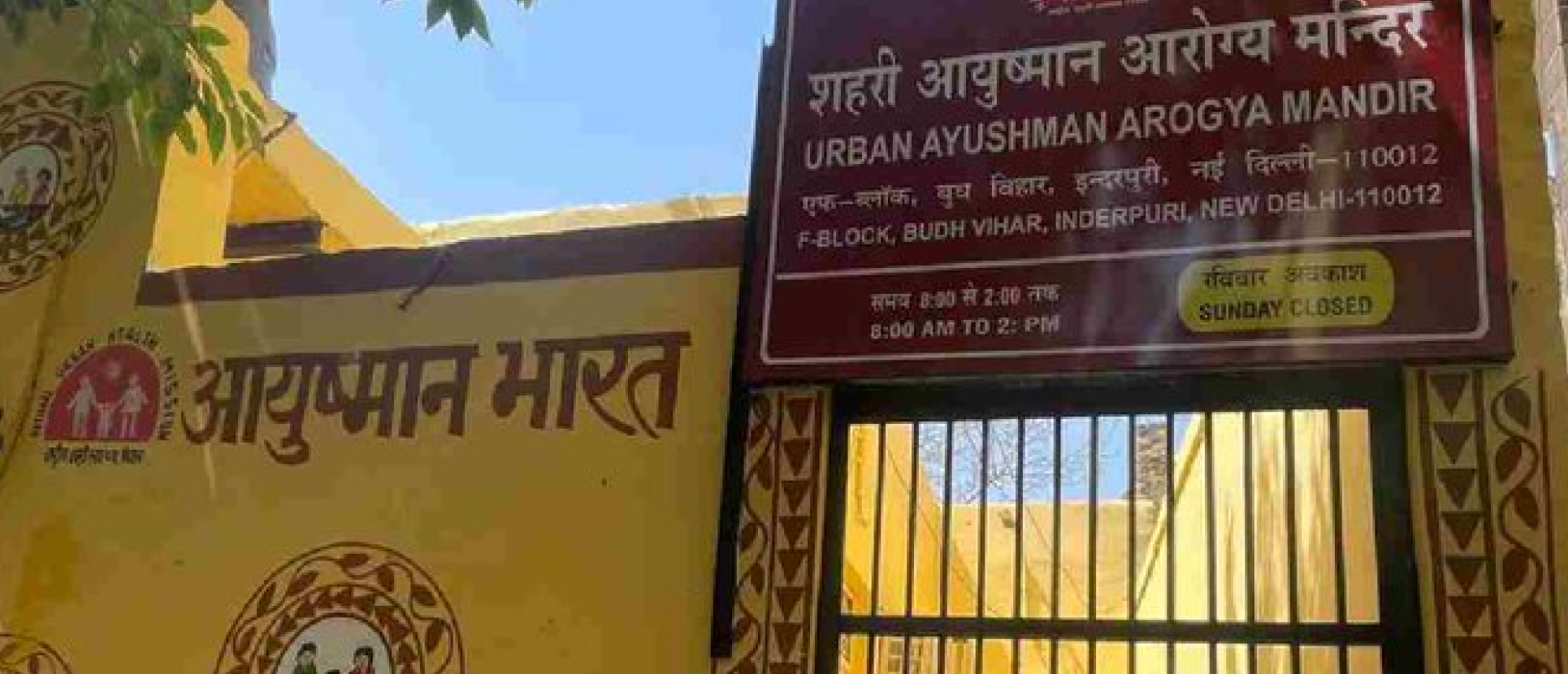
A Growing Network with Mixed Feedback
While many beneficiaries appreciate the accessibility and free services, concerns about operating hours and diagnostic coverage highlight areas that may require policy attention.
As Delhi continues to scale up its Arogya Mandir network, the success of the programme will likely depend not only on expanding infrastructure but also on improving service flexibility and operational efficiency.